Updated July 16, 2026

Commercial Auto Insurance in Kansas
The gap that catches many owners first is not the truck titled to the business. It is the pickup an estimator drives to a job, the sedan a manager uses for bank runs, or the borrowed van pulled into duty for a busy week. If those trips are part of work, a personal policy may not line up with the exposure your business creates on Kansas roads. Commercial auto insurance often starts with liability limits, vehicle schedules, and driver use that match how your operation actually moves between towns, job sites, and customer stops. Kansas sets auto liability minimums at the state-required baseline, but many businesses review increased limits because a serious injury claim, damaged equipment, or a multi-vehicle crash can move past minimums quickly. Before you renew, map every business-use vehicle, every regular driver, and every situation where employees use their own cars for work. That gives you a more accurate quote request and shows where hired auto or non-owned auto should be reviewed instead of assumed.
What Commercial Auto Insurance Covers
In Kansas, the useful question is not whether your policy includes standard coverage parts. It is whether the policy matches the way your vehicles are actually used across your territory. A contractor with pickups moving tools between Wichita and smaller surrounding communities has a different exposure than a retailer with one delivery van staying inside a single county. Your review should focus on vehicle type, radius of operation, cargo or attached equipment, driver assignments, and whether units are owned, leased, rented, or employee-owned.
Liability limits should be your first focus. A quote should show whether you are only meeting the legal minimum or building limits that better fit your contracts, customer expectations, and loss tolerance. If you haul materials, tow trailers, or send crews to active job sites, ask how those operations affect the liability structure and whether any endorsements are needed.
Physical damage choices also need a Kansas-specific conversation because weather-related losses can put a work vehicle out of service even when no one is injured. Instead of assuming broad protection, review deductibles unit by unit and decide which vehicles you could repair or replace without disrupting payroll, scheduling, or customer commitments. When employees use personal cars for errands, sales calls, deposits, or site visits, have the agent walk through your non-owned auto exposure. The same applies to rented or borrowed vehicles during busy periods, which call for a hired auto review.

Bodily Injury Liability
Covers injuries you cause to others in an accident

Property Damage Liability
Covers damage you cause to others' property
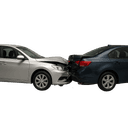
Collision Coverage
Pays for damage to your vehicle in an accident

Comprehensive Coverage
Covers theft, vandalism, weather, and animal damage

Medical Payments
Covers medical costs for your drivers and passengers

Uninsured Motorist
Protection when the other driver lacks insurance

Hired & Non-Owned Auto
Covers rented or employee-owned vehicles used for work
Commercial Auto Insurance Requirements in Kansas
- Kansas minimum auto liability limits are a legal starting point, but many businesses review increased limits because one severe injury claim can exceed the baseline quickly.
- If your crews or sales staff cross between small towns and larger metros, make sure the quoted radius and garaging details match actual travel patterns.
- Weather-related vehicle damage can interrupt service even without a liability claim, so review physical damage deductibles by unit and financing status.
- Employee-owned vehicles used for deposits, inspections, or customer visits can create business exposure in Kansas even when the business does not hold title.
How Much Does Commercial Auto Insurance Cost in Kansas?
Average Cost in Kansas
$130 - $360
per month
Businesses in Kansas typically see commercial auto insurance premiums of $130 - $360 per month, which tends to run 11% below the national range of $140 - $410 per month.
- Fleet size and vehicle types
- Driver records and experience
- Coverage limits and deductibles
- Business industry and use
- Annual mileage and operating radius
- Claims history
Rates based on small business averages. Your actual premium may vary.
Cost in Kansas usually turns on exposure details more than on the vehicle count alone. Premiums vary widely depending on vehicle type, garaging location, driver records, annual mileage, radius of travel, selected limits, deductibles, and claims history. A local sedan used for occasional client visits will land at the low end, while a service van carrying tools daily across multiple counties tends toward the high end.
The fastest way to improve quote accuracy is to separate vehicles by use instead of describing the whole account with one label. Tell the agent which units stay local, which cross county lines regularly, which are parked at an owner's home, and which are driven by multiple employees. If a vehicle is financed or leased, note that early so any physical damage expectations can be reviewed before the quote comes back.
Buying only to the minimum can leave you short on a serious claim. If your business signs contracts, enters customer property, or transports valuable tools or inventory, ask to compare the minimum against increased liability options and different deductible structures. That side-by-side view usually gives you a better decision than shopping on premium alone. Also flag any seasonal changes, temporary drivers, rented vehicles, or employee car use up front. Those details often affect pricing and coverage design more than owners expect, and they are easier to address early than after a claim.
| Coverage Type | What It Covers | Typical Limits |
|---|---|---|
| Bodily Injury Liability | Injuries to others in accidents you cause | $500K to $2M |
| Property Damage Liability | Damage to others' property | $100K to $1M |
| Collision | Damage to your vehicle in an accident | Actual cash value |
| Comprehensive | Theft, vandalism, weather, animal damage | Actual cash value |
| Medical Payments | Medical costs for your drivers/passengers | $5K to $25K |
| Uninsured Motorist | Protection when other driver lacks insurance | $500K to $1M |
| Hired & Non-Owned | Rented or employee personal vehicles | Same as liability limits |
Bodily Injury Liability
- What It Covers
- Injuries to others in accidents you cause
- Typical Limits
- $500K to $2M
Property Damage Liability
- What It Covers
- Damage to others' property
- Typical Limits
- $100K to $1M
Collision
- What It Covers
- Damage to your vehicle in an accident
- Typical Limits
- Actual cash value
Comprehensive
- What It Covers
- Theft, vandalism, weather, animal damage
- Typical Limits
- Actual cash value
Medical Payments
- What It Covers
- Medical costs for your drivers/passengers
- Typical Limits
- $5K to $25K
Uninsured Motorist
- What It Covers
- Protection when other driver lacks insurance
- Typical Limits
- $500K to $1M
Hired & Non-Owned
- What It Covers
- Rented or employee personal vehicles
- Typical Limits
- Same as liability limits
How Kansas compares with the national baseline
Uninsured drivers
7.2% vs 11.6% baseline
About 7.2% of Kansas drivers are estimated to be uninsured, below the 11.6% average across states.
Fatal crashes per 100 million miles
1.53 vs 1.33 baseline
Kansas sees about 1.53 fatal crashes per 100 million miles driven, above the national average of 1.33.
Blue bar: Kansas. Gray line: national baseline.
Prices shown are general estimates, not guaranteed rates or quotes. Your actual premium will depend on the insurer, coverage selected, business details, location, claims history, and other underwriting factors. Learn about our pricing methodology.
Request a Quote Comparison
Enter your ZIP code to compare commercial auto insurance rates from top carriers.
Business insurance starting at $25/mo
Who Needs Commercial Auto Insurance?
In Kansas, the businesses that most often need a closer review are not only the ones with logos on every door. You should look at commercial auto if your company owns titled vehicles, leases units, rents trucks during busy periods, reimburses employees for work driving, or relies on personal vehicles for customer visits, deliveries, deposits, inspections, or supply runs.
This matters for operations that cover wide service areas or move between rural and urban routes in the same week. A farm-related service company, HVAC contractor, home health provider, wholesaler, real estate team, or maintenance business may have very different driving patterns by season, but each still creates business auto exposure. If one employee drives a personal pickup to a job site and causes a serious accident while working, the business can still be pulled into the claim even though it does not own that vehicle.
Kansas also has a clear regulatory baseline through the Kansas Insurance Department, and the state minimum auto liability limits set a legal starting point, not necessarily a practical one for a business with payroll to protect, contracts to satisfy, and customers expecting prompt service after a loss. If you are unsure whether your situation counts, start with a simple test. List every trip made to earn revenue, serve a client, supervise work, or move business property. If those trips happen regularly, it is worth reviewing your commercial auto needs before the next renewal or vehicle purchase.
| Requirement | What Kansas law says |
|---|---|
| Auto liability minimums | $25,000/$50,000/$25,000 (bodily injury per person / per accident / property damage). These floors apply to personal and business vehicles alike; lenders and contracts often require more. |
| Where to verify | Kansas Insurance Department publishes current requirements, consumer guides, and license lookups. |
Commercial Auto Insurance by City in Kansas
Commercial Auto Insurance rates and coverage options can vary across Kansas. Select your city below for localized information:
How to Buy Commercial Auto Insurance
Buying the right policy in Kansas starts with an accurate operating picture, not with a quick vehicle count. Build a schedule that shows each unit, who drives it, where it is usually parked, whether it is owned or leased, and what it carries or tows. Then add the trips that are easy to forget, such as employee errands, supervisor site visits, temporary rentals, and personal vehicles used for business tasks. Those details often decide whether your quote addresses the real exposure.
Next, decide what you need the quote to test. Ask for liability options above the Kansas minimums so you can compare the legal baseline against limits that better fit your contracts and assets. If your vehicles face weather exposure, ask for deductible options by vehicle rather than applying one deductible to every unit. Older paid-off trucks may justify a different physical damage approach than newer financed vans.
You should also bring driver information that is current and complete. A quote is more useful when it reflects actual operators, not just owners or managers. When drivers rotate between vehicles, note that in your schedule. Flag seasonal units with their active months, and ask how short-term hires affect underwriting so your quote reflects real operations.
Before finalizing, read the quote for classification issues. Make sure business use, garaging, radius, and any hired auto or non-owned auto needs are shown the way your operation really works. Then ask what documents you will receive for certificates, ID cards, and lender or lessor requests, so you are ready before a job starts or a vehicle is picked up. Request a quote through CPK Insurance to compare your options with participating licensed providers.
How to Save on Commercial Auto Insurance
Saving money in Kansas usually comes from detailed underwriting information and sharper coverage choices, not from stripping the policy down to the minimum. Start by grouping vehicles by actual use. A sedan used for occasional sales calls should not be described the same way as a pickup towing equipment every day. Better classification can prevent both overpricing and coverage mismatches.
Next, review deductibles with a cash-flow lens. If your business can absorb smaller repair bills without disrupting operations, a higher deductible on selected vehicles may lower premium. Keep that decision vehicle-specific. A newer financed van may need a different deductible than an older truck you could replace more easily. Also remove vehicles promptly when they are sold, and add replacements with complete details instead of waiting for the next renewal cleanup.
Driver management matters as much as vehicle choice. Keep a current driver list, limit who can operate higher-risk units, and document any internal rules for towing, phone use, after-hours driving, and personal use. If employees use their own cars for work, do not assume that saves money by itself. Ask whether adding non-owned auto is the better way to address that exposure than leaving a gap.
Finally, compare quotes on structure, not just price. The lowest premium often reflects lower limits, different deductibles, or missing coverage parts. Ask each quote to show the same liability target, the same physical damage choices, and the same driver assumptions. That gives you a practical basis for deciding where the real savings are.
Our Recommendation for Kansas
For Kansas buyers, the most useful move is to treat this as an operations review, not just a vehicle purchase requirement. Start with the trips that create liability but rarely make it onto a simple vehicle list, such as employee bank deposits, supervisor visits between job sites, borrowed trucks during a rush, and personal cars used for client meetings.
Then test your liability limits against real-world claim scenarios. Kansas minimums set a legal baseline, but a business with contracts and payroll to protect should usually compare that baseline against increased limit options before deciding. A low-price quote can become the most expensive one if it leaves you short on a serious claim.
Also review physical damage by unit, not by habit. Vehicles exposed to severe weather, open parking, or long rural routes may justify different deductibles than lightly used office cars. If a lender or lease is involved, confirm those requirements early so you do not have to rework the policy later.
When you request quotes, send a complete driver and vehicle schedule the first time. Detailed data usually produces more accurate pricing, fewer follow-up questions, and a policy that is easier to rely on when a certificate, ID card, or claim issue comes up.
FAQ
Frequently Asked Questions
Kansas sets the minimum auto liability requirement at $25,000 per person for bodily injury, $50,000 per accident for bodily injury to multiple people, and $25,000 for property damage. That is the legal baseline, but many businesses compare increased limits if they sign contracts, send drivers to job sites, or need more protection for assets and ongoing operations.
Kansas businesses should review this carefully if employees make deposits, visit clients, pick up supplies, or travel between sites in personal vehicles. A quote should address that exposure directly, often through non-owned auto, instead of assuming a personal policy solves it.
Kansas buyers often review comprehensive and collision deductibles more closely when vehicles are parked outside, travel long routes, or cannot be down for repairs. Comprehensive can help cover weather damage, theft, and falling objects, while collision may cover damage from a crash with another vehicle or object. The practical question is how fast your business can absorb repair or replacement costs without disrupting service.
Kansas businesses may be able to insure leased or financed vehicles, but you should disclose that status early. Lenders and lessors often expect specific physical damage terms, so confirming those requirements early helps avoid delays and policy changes later.
Kansas quote requests go more smoothly when you provide each vehicle, regular drivers, garaging address, business use, towing details, and estimated travel radius. Include any rented, borrowed, or employee-owned vehicles used for work so the quote reflects actual operations.
Kansas requires the state minimum liability limits, and that may satisfy the legal minimum for one vehicle. It may still be too low for a business that carries tools, enters customer property, or could face a larger injury claim after an accident.
Kansas commercial auto insurance is regulated by the Kansas Insurance Department. If you are comparing policies, that matters because you should verify state requirements first, then decide whether your business needs limits or coverage parts beyond the minimum.
Commercial auto insurance can help cover liability for bodily injury and property damage, collision damage to your vehicles, comprehensive coverage for theft and weather damage, medical payments, and uninsured/underinsured motorist protection. It also can help cover hired and non-owned vehicles with the right endorsements.
Sources
- 1.Kansas Insurance Department(Kansas commercial auto insurance is regulated by the Kansas Insurance Department.; Kansas sets the minimum auto liability requirement at $25,000/$50,000/$25,000.)
Updated July 16, 2026