







































Updated July 16, 2026

Car Insurance in Kansas City
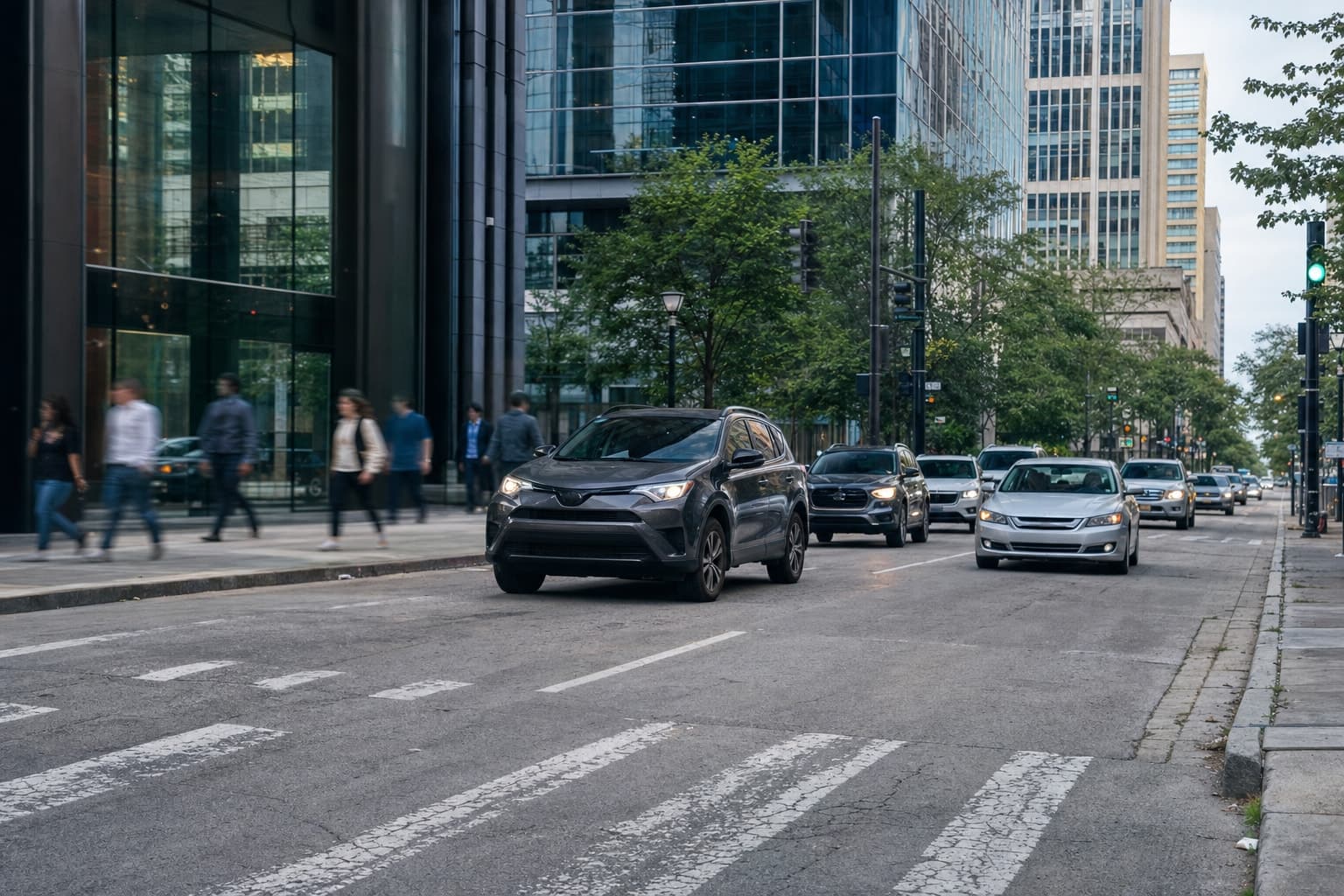
Kansas City sits at a busy crossroads of commuter routes, retail corridors, and working neighborhoods. Wyandotte County has 3,129 business establishments, which means local roads carry a steady mix of employee commuters, customer traffic, delivery vehicles, and contractor pickups through the same corridors each day. That density means more cars jostling for the same parking spots and intersection space, which raises the odds of a low speed bump becoming a fault dispute. A policy that feels adequate on paper can look thin once you factor in stop and go traffic near retail clusters, routine errands across neighborhood business strips, and the higher chance of a small collision turning into a larger liability claim. Before you request quotes, pull your current declarations page, confirm who drives the car, and note any recent vehicle changes so the comparison reflects how you actually use it.
Kansas has a very high climate risk rating. Top hazards: Tornado (Very High), Hailstorm (Very High), Severe Storm (Very High), Drought (Moderate). The state's expected annual loss from natural hazards is $1.6B, which influences car insurance premiums and may affect coverage availability in high-risk areas.
What Car Insurance Covers
Car insurance in Kansas is built around the same core protections you would expect nationally, but the way you choose limits and endorsements should reflect local risk. Liability coverage can help pay for injuries you cause to others in an auto accident, and state minimums can fall short of real claim costs, so it pays to look closely at your liability limits. From there, collision coverage helps repair or replace your vehicle after an accident, while comprehensive coverage is especially relevant because tornadoes, hailstorms, and severe storms are common hazards in the state. The Kansas Insurance Department regulates the market, and you should compare quotes from multiple carriers rather than assuming one company will fit every situation. Uninsured motorist coverage matters here given the share of Kansas drivers who lack insurance. Medical payments coverage can help with covered medical expenses after a crash regardless of fault, depending on policy terms. Rental reimbursement can also be useful if your car is in the shop after a covered loss.
Coverage Included

Liability
Can help pay for injuries and property damage you cause to others in an accident, coverage most states require drivers to carry.

Collision
Can help pay to repair or replace your car after a crash with another vehicle or object, regardless of fault.

Comprehensive
Typically covers damage to your car from events other than collisions, such as theft, hail, fire, flooding, or hitting an animal.

Uninsured Motorist
May pay for your injuries and, in some states, car damage when an at-fault driver has no insurance or too little.

Medical Payments
Can help cover medical bills for you and your passengers after an accident, no matter who was at fault.
Rental Reimbursement
May pay for a rental car while your vehicle is in the shop for repairs after a covered claim.
Car Insurance Cost in Kansas City
Average Cost in Kansas
$75 - $190
per month
In Kansas, car insurance premiums typically run $75 - $190 per month, which tends to run 22% below the national range of $110 - $230 per month.
- Driving record and age
- Vehicle make, model, and year
- Location and commute distance
- Credit-based insurance score
- Coverage limits and deductibles
Contact CPK Insurance for a personalized quote.
Prices shown are general estimates, not guaranteed rates or quotes. Your actual premium will depend on the insurer, coverage selected, personal details, location, claims history, and other underwriting factors. Learn about our pricing methodology.
The average premium range for car insurance in Kansas is from $75 to $190 per month, and local pricing tends to run below the national average. Several local factors can move your cost up or down. Coverage limits and deductibles are major drivers, so a policy with higher limits or a lower deductible can usually price differently than a leaner option. Kansas saw 62,000 recent auto crashes with an average claim cost of $15,208. At that level, a single serious accident can blow past state minimum liability limits and leave you paying the difference out of pocket. Location also matters because hail, tornado, and severe storm exposure can affect comprehensive pricing, especially in areas with recent disaster declarations. The state's broad field of active insurance companies creates pricing differences, and top carriers include Farm Bureau and Shelter Insurance. Your vehicle make and model, annual mileage, policy endorsements, and driving record also affect the final quote. If you live or drive regularly around Topeka, Wichita, or other higher-traffic areas, insurers may price the policy differently than they would for a low-mileage driver in a quieter part of the state.
Industries & Insurance Needs in Kansas City
Wyandotte County's business mix matters because retail trade accounts for 14.1% of establishments, construction 12.2%, and other services, except public administration, 10.6%. That combination puts more shoppers, service calls, contractor vehicles, and quick stop trips onto local streets, so your driving pattern may involve frequent parking lot movement, short distance errands, and heavier interaction with working vehicles than a broad state average suggests. For a personal auto buyer, that does not mean you need a commercial policy for ordinary household use. It does mean your quote should match how the car is actually used, who regularly drives it, and whether tools, work gear, or business errands are part of the week. If you sometimes use your vehicle for side jobs, deliveries, or client visits, raise that before binding coverage. It is better to clarify usage upfront than discover after a loss that the policy was priced for a different exposure.
What Affects Car Insurance Rates in Kansas City
Kansas City median household income is $59,183, so many households here need a policy that protects the budget as carefully as it protects the vehicle. That usually means looking past the monthly bill and testing how deductible choices, liability limits, and optional coverages change your out of pocket exposure after a claim. A lower premium can still cost more later if the deductible strains cash flow or if rental reimbursement is missing when your car is in the shop. For a household balancing commuting, school drop offs, and everyday errands, the practical question is whether you could absorb a repair bill, a temporary replacement vehicle, or a larger liability claim without disrupting other expenses. Ask for side by side quotes with at least two deductible options and the same liability limits on each version. That makes it easier to see whether you are saving money or simply moving more risk back onto your household.
What Makes Kansas City Different
In many places, a personal auto policy is priced around a fairly predictable commute and household errand pattern. Here, the local road environment often blends commuter traffic with retail visits, contractor movement, and service vehicles in the same day, which can increase the odds of low speed impacts, parking lot claims, and disputes over fault. A statewide average cannot capture that daily overlap. If your car is regularly parked at apartment lots, store lots, or busy curbside areas, collision, comprehensive, and roadside options deserve a closer look. The same applies to liability limits that can absorb a more expensive claim. When multiple drivers share one vehicle, every regular driver needs to be disclosed and rated correctly. Build a quote around your actual weekly use, then compare the tradeoff between premium, deductible, and usable protection after a claim.
Our Recommendation for Kansas City
Pull your declarations page and flag anything specific to your situation. Note where the car is usually parked, who drives it every week, whether the vehicle is financed, and whether you ever use it for work related errands. Then ask for a quote review that keeps liability limits consistent while you test deductible options and additional coverages. Seeing each adjustment side by side helps you judge whether the premium savings make sense given the added risk. If your household relies on one car, pay close attention to downtime after a claim, not just repair coverage. Rental reimbursement can matter more in a city routine built around work shifts, school schedules, and appointments. If you have a teen driver, a recent ticket, or a vehicle change, update that before comparing offers so the quote is usable. The Kansas Insurance Department handles claim or billing escalations, but most buying decisions are better made by reviewing usage, limits, and deductibles before you bind coverage.
Get Car Insurance in Kansas City
Enter your ZIP code to compare car insurance rates from carriers in Kansas City, KS.
Car insurance starting at $59/mo
FAQ
Frequently Asked Questions
Wyandotte County has 3,129 business establishments, so your quote may need to account for frequent errands, parking exposure, and shared road use with delivery and contractor vehicles. More working vehicles on the same routes means more chances for low speed impacts and parking lot claims.
Kansas City households often benefit from reviewing higher liability limits if one crash could disrupt savings or income. With local median household income at $59,183, a serious claim could consume roughly a year of take home pay for a typical household. That is why weighing the premium difference against that exposure matters.
Retail, construction, and service businesses put more working vehicles and short trip traffic on local roads. That environment can increase the odds of parking lot claims and low speed impacts, so reviewing your physical damage coverage helps your policy match what you actually face.
Kansas City drivers may want to mention any regular work errands, client visits, or side job use before binding coverage. Insurers price based on how the car is actually used, and leaving out work related driving can create gaps at claim time.
Start with liability, collision, and comprehensive coverage, then layer in uninsured motorist, medical payments, and rental reimbursement based on where you drive, park, and commute. A policy that fits a daily commuter in Wichita may look different from one that fits a rural driver logging long highway stretches.
Kansas has very high tornado, hailstorm, and severe storm risk, so comprehensive coverage can be more relevant for weather-related losses than in states with milder conditions.
With roughly 1 in 14 Kansas drivers on the road lacking insurance, uninsured motorist coverage is worth reviewing if you want more protection in an auto accident with a driver who lacks enough insurance.
Coverage limits, deductibles, claims history, location, policy endorsements, and your vehicle all affect your quote, and local storm exposure can also influence pricing.
Sources
- 1.U.S. Census Bureau, County Business Patterns, Wyandotte County(Wyandotte County has 3,129 business establishments, so local roads carry a steady mix of employee commuters, customer traffic, delivery vehicles, and contractor pickups through the same corridors each day.; Wyandotte County's business mix matters because retail trade accounts for 14.1% of establishments, construction 12.2%, and other services, except public administration, 10.6%.)
- 2.U.S. Census Bureau, ACS 5-Year Estimates, table B19013(Kansas City median household income is $59,183, so many households here need a policy that protects the budget as carefully as it protects the vehicle.)
- 3.Kansas Insurance Department(If a claim or billing issue ever needs escalation, the Kansas Insurance Department is the state regulator, but most buying decisions are better made by reviewing usage, limits, and deductibles before you bind coverage.)
Updated July 16, 2026





