








































Updated July 16, 2026

Commercial Truck Insurance in Kansas City
If you lease yard space near the industrial corridors or dispatch box trucks to storefronts across the metro, your policy review should follow your actual operating pattern. Your policy should account for where your trucks park overnight, how often drivers back into tight delivery areas, whether you cross state lines on ordinary routes, and who loads the cargo. Map your regular routes, parking locations, driver radius, and customer contract requirements.
Commercial Truck Insurance Risk Factors in Kansas City
Kansas City's top risk factors include Tornado damage, Hail damage, Severe storm damage, and Wind damage.
Kansas has a very high climate risk rating. Top hazards: Tornado (Very High), Hailstorm (Very High), Severe Storm (Very High), Drought (Moderate). The state's expected annual loss from natural hazards is $1.6B, which influences commercial truck insurance premiums and may affect coverage availability in high-risk areas.
What Commercial Truck Insurance Covers
Your policy is built around your operating authority, freight type, and whether you run under a motor carrier model or as an owner-operator. The core protections include motor carrier liability, physical damage, cargo coverage, trailer interchange, bobtail coverage, and non-trucking liability. Kansas does not replace federal trucking rules, so the coverage still has to align with FMCSA expectations where they apply. The Kansas Insurance Department oversees the market, and the state's commercial auto minimums sit at $25,000/$50,000/$25,000, meaning the legal floor is often lower than what freight contracts actually demand.
Very high tornado, hailstorm, and severe storm risk can make physical damage coverage especially relevant for tractors, trailers, and refrigerated units parked outside or traveling across open corridors. Cargo insurance is usually written as a separate coverage section, so the goods you haul may be protected against theft, damage, or loss during transit, but only within the policy's limits and freight terms. Bobtail coverage matters when a truck is operated without a trailer and outside dispatch, while non-trucking liability applies to off-dispatch use. Trailer interchange is important if you handle other parties' trailers under agreement.
Because premiums are influenced by location, claims history, and endorsements, the policy you buy should be matched to the counties, terminals, and freight lanes you actually use.
Coverage Included

Motor Carrier Liability
Can help cover injuries and property damage your truck causes to others, a coverage federal regulators require most for-hire carriers to maintain.

Physical Damage
Can help pay to repair or replace your own truck after an accident, fire, theft, or vandalism.
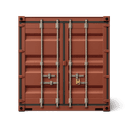
Cargo Coverage
May pay for damage to or theft of the freight you are hauling while it is in your care.
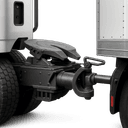
Trailer Interchange
Can help cover damage to trailers you haul under an interchange agreement but do not own.

Bobtail Coverage
May provide liability protection when you drive your tractor without a trailer attached, such as after dropping off a load.

Non-Trucking Liability
Can help cover accidents that happen when you use your truck for personal errands rather than dispatched work.
Commercial Truck Insurance Cost in Kansas City
Average Cost in Kansas
$380 - $1,075
per month
Businesses in Kansas typically see commercial truck insurance premiums of $380 - $1,075 per month, which tends to run 5% below the national range of $400 - $1,125 per month.
- Radius of operation
- Commodities hauled and cargo value
- Number and value of power units
- Driver motor vehicle records and CDL experience
- DOT safety record, inspections, and FMCSA scores
- Liability limits and physical damage deductibles
Contact CPK Insurance for a personalized quote.
Prices shown are general estimates, not guaranteed rates or quotes. Your actual premium will depend on the insurer, coverage selected, business details, location, claims history, and other underwriting factors. Learn about our pricing methodology.
Commercial truck insurance cost in Kansas is shaped by the state's below-national-average premium index of 92 on a 100-point scale, which means the overall market pricing can be favorable compared to many other states. The actual price per truck still varies widely by coverage limits, deductibles, claims history, location, industry risk profile, and endorsements. Kansas's elevated tornado risk can push pricing higher for physical damage coverage, especially when tractors, trailers, and cargo are exposed to hail and severe storm loss. The state's very high overall climate risk rating is a meaningful factor for carriers writing trucking accounts here.
The Kansas market is competitive, with several top carriers active in the state. A fleet with clean claims history, careful deductible choices, and well-documented routes may price differently than a local hauler with frequent city driving or a long-haul operation with higher cargo values. Kansas accident data also affects pricing expectations, since the state's fatal crash rate of 1.53 per 100 million vehicle miles traveled is above the national average of 1.33. That means carriers may view the state's road risk more strictly, so if your drivers have recent violations, expect tighter underwriting and higher premiums. Even a single at-fault accident can meaningfully affect your renewal premium.
Industries & Insurance Needs in Kansas City
The county business mix is what changes demand here. In Wyandotte County, leading sectors by establishment share are retail trade at 14.1%, construction at 12.2%, and other services, except public administration, at 10.6%, so many truck policies here support frequent local delivery, tool and material transport, and service calls rather than only long-haul freight. That matters because a truck serving retailers faces different stop frequency and loading patterns than a unit hauling equipment to construction sites. It also changes what you should ask for in a quote: cargo descriptions that fit merchandise or materials, liability limits that satisfy vendor or jobsite contracts, and physical damage terms that make sense for trucks parked between short runs. If your book of business spans more than one of those sectors, ask for each vehicle to be rated by actual use instead of treating the whole fleet as one exposure.
What Makes Kansas City Different
What sets this market apart is how much short-haul commercial activity happens in a compact footprint. Many local truck risks are not defined by one long route, but by repeated starts, stops, loading points, customer docks, and mixed-use streets across a compact service area. A retail delivery van, a contractor flatbed, and a service body carrying tools can all work the same zip codes while producing very different claims. Pay close attention to where trucks are garaged, how drivers are scheduled, how far they travel, and whether employees ever use personal vehicles for parts runs. If your operation crosses into Missouri as part of normal dispatch, say that early in the quote process so filings and use classifications are reviewed correctly.
Our Recommendation for Kansas City
Start with a vehicle-by-vehicle schedule and describe each unit the way it is actually used. If one truck handles contractor materials, another does retail deliveries, and another only moves between your yard and nearby customers, ask for those distinctions to appear in the quote. Look at who owns the trailer, who loads the cargo, and whether any customer contract requires you to add them as an additional insured or carry specific liability limits. If your drivers take trucks home or park on mixed commercial and residential streets, disclose that before binding coverage. Kansas City median household income is $59,183, which means a typical household earns well below the national median. That translates to thin margins for many local operators, who weigh every premium dollar against cash flow. Compare deductible options and optional endorsements line by line instead of buying every add-on by default. Bring your current declarations page, driver list, loss runs, and sample contracts to the review.
Get Commercial Truck Insurance in Kansas City
Enter your ZIP code to compare commercial truck insurance rates from carriers in Kansas City, KS.
Business insurance starting at $25/mo
FAQ
Frequently Asked Questions
Quotes come back more accurate when you share where trucks park, how far drivers travel, how many stops they make per day, what they carry, who owns the trailer, and whether routes cross into Missouri. Underwriters use those specifics to classify local delivery, contractor hauling, and mixed-use operations.
Short-haul work tends to generate more backing incidents, parking lot movement, and repeated loading stops in a single shift. Look at physical damage terms, cargo provisions, hired and non-owned auto exposure, and any contract-driven liability limits.
Wyandotte County has 3,129 business establishments. That density means you are likely working with a network of vendors, landlords, and customers who ask for certificates, loss payees, or specific limits before work begins. Review contract requirements carefully.
Contractor fleets should match each truck to its real job, especially if units carry tools, materials, or attached equipment. A flatbed, service body, and delivery truck can need different rating treatment and endorsement review.
Wyandotte County retail trade accounts for 14.1% of businesses, construction for 12.2%, and other services for 10.6%. Roughly one in three local businesses is in a sector that routinely needs deliveries, material hauling, or service calls, which keeps demand for commercial trucking policies steady. Ask for coverage terms that fit those operating patterns.
In Kansas, the policy can be built around motor carrier liability, physical damage, cargo coverage, trailer interchange, bobtail coverage, and non-trucking liability, depending on how your truck is used and what you haul.
Kansas commercial auto minimums are listed at $25,000/$50,000/$25,000, and the Kansas Insurance Department regulates the market, but your actual trucking limits may need to be higher based on freight contracts and operating needs.
Your final price depends on limits, deductibles, claims history, location, and endorsements, with average premiums ranging from $380 to $1,075 per truck per month.
Sources
- 1.U.S. Census Bureau, County Business Patterns, Wyandotte County(Wyandotte County has 3,129 business establishments, so local trucking buyers often work in a dense network of vendors, job sites, and delivery points where certificates, contract language, and loss payee requests can show up before work starts.; In Wyandotte County, leading sectors by establishment share are retail trade at 14.1%, construction at 12.2%, and other services, except public administration, at 10.6%, so many truck policies here support frequent local delivery, tool and material transport, and service calls rather than only long-haul freight.)
- 2.U.S. Census Bureau, ACS 5-Year Estimates, table B19013(Kansas City median household income is $59,183, which is a practical reminder that many local operators are balancing insurance cost against cash flow, so it helps to compare deductible options, physical damage values, and optional endorsements line by line instead of buying every add-on by default.)
Updated July 16, 2026





