







































Updated July 16, 2026

Garage Keepers Insurance in Kansas City
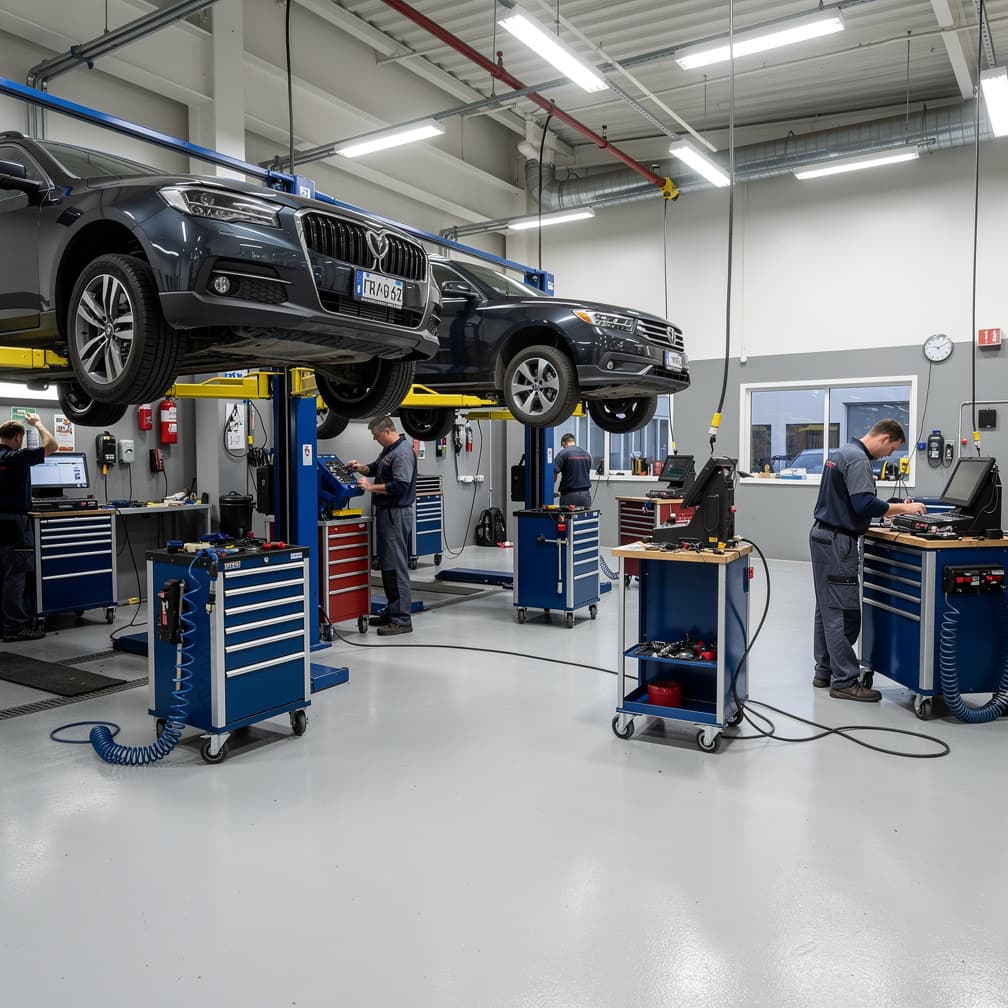
Property managers, floorplan lenders, fleet customers, and nearby contractors often want proof that customer vehicles in your care are addressed before they hand over keys or leave units on your lot. For garage keepers insurance in Kansas City, satisfying that request usually means showing limits that match how you actually store, move, and release vehicles, not just producing a generic certificate. That matters here because many local operators juggle repair work, detailing, tire service, and short term vehicle holding for customers coming from commercial corridors, neighborhood retail strips, and job sites across the county line. If you keep cars overnight behind a shop, stage pickups outside during busy weeks, or let multiple employees road test and park units, your quote should track those custody points closely. A thinner policy review can miss where losses really happen. Key control, lot layout, after hours storage, and handoff procedures are the gaps that surface during a claim. Before you renew, pull together your peak vehicle count, where they sit, who can move them, and whether any lender, landlord, or contract customer asks for specific proof of coverage.
Garage Keepers Insurance Risk Factors in Kansas City
Local weather and storage setup are the practical risk drivers to review here. Kansas faces leading natural hazards that include severe convective storms, tornadoes, winter storms, and flooding, so an operation that leaves customer vehicles outside overnight should look closely at where units are parked, how many are exposed at once, and whether your limits still make sense during a busy week. That is less about naming a storm peril in the abstract and more about your daily layout: fenced rear lot versus open frontage, indoor bays versus overflow parking, and whether disabled vehicles wait several days for parts. If your shop regularly holds cars after hours, ask for a quote review built around **peak lot count, not average count**. You should also confirm how keys are secured, who can authorize road tests, and how vehicles are documented at intake and release, because weather losses and handling losses often stack up when operations get rushed.
Kansas has a very high climate risk rating. Top hazards: Tornado (Very High), Hailstorm (Very High), Severe Storm (Very High), Drought (Moderate). The state's expected annual loss from natural hazards is $1.6B, which influences garage keepers insurance premiums and may affect coverage availability in high-risk areas.
What Garage Keepers Insurance Covers
The right question is which loss situations are most realistic for the way your shop runs this week. A rural repair facility with a gravel overflow area faces different storage risks than a metro body shop with tightly packed customer parking. A dealer service lane that moves vehicles all day has still another exposure profile. Start with where vehicles spend the night. If customer cars are stored outdoors, ask your agent to review how weather-related damage is treated under the coverage basis you are considering and whether your limit is high enough for the total value on site during busy periods. If vehicles are stored indoors, focus just as hard on fire exposure, building access, and who has authority to move units after closing. Then look at movement risk. Kansas shops often have a mix of backing, shuttling, staging for parts delays, and road testing after repairs. Your policy review should line up with who drives customer vehicles and where they wait before pickup. You should also review the gaps between policies. If you run tow trucks, dealer plates, loaners, or mobile service units, do not assume one form handles every vehicle-related exposure in your business. Build your quote around the custody exposure itself. If you do not, a claim can turn into an argument over which policy should respond, and that delay can cost you customer trust and cash flow.
Coverage Included

Collision Coverage
Covers damage to customers' vehicles from collisions while in your care.

Comprehensive Coverage
Covers theft, vandalism, fire, and weather damage to customers' vehicles.

Specified Perils
Covers only specifically named perils at a lower premium.

Legal Liability
Covers damage you or your employees directly cause to a customer's vehicle.

Direct Primary
Pays regardless of fault, the broadest garage keepers coverage available.
Industries & Insurance Needs in Kansas City
County business mix changes who may ask you for proof and how varied your vehicle custody can become. Wyandotte County has 3,129 business establishments, and its leading sectors by establishment share are retail trade at 14.1%, construction at 12.2%, and other services except public administration at 10.6%, so local garages often serve a broad mix of personal vehicles, contractor pickups, vans, and service units rather than one narrow customer type. That matters for garage keepers buying because vehicle values, upfit equipment, and time on your premises can vary sharply from one job to the next. A contractor truck waiting on parts is not the same exposure as a quick oil change customer who leaves within an hour. If your book includes retail customers during the day and work trucks that stay longer, ask for limits and deductibles that reflect your heaviest concentration scenario, not your easiest one.
What Makes Kansas City Different
Cross use is what changes the calculus here. In this market, many shops are not purely one thing. A business may handle mechanical repair, tires, detailing, glass work, light fleet service, and short term storage from the same address, with customer vehicles moving between front parking, service bays, and overflow spaces during the week. That mixed operation creates more decision points around custody than a single purpose shop. The right review is less about your sign out front and more about how vehicles flow through the property. Kansas City median household income is $59,183, which means a meaningful share of customers may wait longer to afford bigger repair bills. When pickup drags out, completed vehicles sit on your lot longer than planned, and that quietly raises your overnight exposure. If your current policy was quoted around a simpler operation, revisit your maximum vehicles in care, where completed units wait, and whether employee access rules still fit how your shop runs now.
Our Recommendation for Kansas City
Start with a simple worksheet before you request quotes. Write down your peak vehicle count, how many stay outside after hours, whether any are fleet or contractor units, and who has authority to move them. Then break your operation into distinct activities so each one gets the attention it deserves, including repair, storage, road testing, pickup and delivery, and any subcontracted work. If you lease your space, review the insurance language in the lease and any lender or commercial account requirements so your proof of coverage matches what they actually ask for. If your shop has grown busier and more mixed over time, ask whether your current limits still fit your busiest week, not your average day. When a policy form or exclusion reads like legalese, quote the wording directly and ask for a plain English explanation before you bind.
Get Garage Keepers Insurance in Kansas City
Enter your ZIP code to compare garage keepers insurance rates from carriers in Kansas City, KS.
Business insurance starting at $25/mo
FAQ
Frequently Asked Questions
Landlords, lenders, fleet accounts, and contractors who leave vehicles on your lot are the ones who typically request it. If your operation stores customer units overnight or moves them between bays and lots, show limits that match those custody points.
Most do, because the custody questions multiply when several service types share one property. If you combine repair, tires, detailing, glass work, or short term storage at one address, your review should follow how vehicles move through the property, not just the business label on your policy.
Wyandotte County has 3,129 business establishments, with retail trade at 14.1%, construction at 12.2%, and other services except public administration at 10.6%. Construction and retail together account for roughly one in four local businesses, so expect a steady flow of contractor trucks, delivery vans, and customer vehicles that may not fit a standard passenger car profile. That makes your peak vehicle count a number worth pinning down before you request a quote.
When household budgets are tight, some customers put off picking up finished vehicles. If cars stay on your lot longer than planned, review your maximum overnight count before renewing.
Policyholders can start with their agent and carrier, then use the Kansas Insurance Department if they need regulator guidance on a policy issue. That is most useful when you have the exact endorsement or exclusion language in front of you.
Business auto does not answer every custody claim. If customers leave vehicles with you for service, storage, or pickup later, ask for a policy review built around where those vehicles are kept and who moves them.
If customer vehicles stay on your lot overnight, review peak on-site values, indoor capacity, and deductible choices before storms expose a limit shortfall.
The Kansas Insurance Department regulates policy forms and market conduct at the state level. Review Kansas-specific documents and endorsements before binding coverage.
Sources
- 1.U.S. Census Bureau, County Business Patterns, Wyandotte County(Wyandotte County has 3,129 business establishments.; The leading sectors in Wyandotte County by establishment share are retail trade 14.1%, construction 12.2%, and other services except public administration 10.6%.)
- 2.U.S. Census Bureau, ACS 5-Year Estimates, table B19013(Kansas City median household income is $59,183.)
- 3.Kansas Insurance Department(Kansas's insurance regulator is the Kansas Insurance Department.)
Updated July 16, 2026





