







































Updated July 16, 2026

Inland Marine Insurance in Kansas City
Retail trade leads the business mix in Wyandotte County at 14.1% of establishments, with construction at 12.2% and other services at 10.6%. That means many of your neighbors are moving inventory, tools, display equipment, or customer goods between storefronts, job sites, and temporary work locations just like you are. This is where a coverage review proves its value. If you run a contractor crew near Village West, deliver merchandise to multiple retail locations, or take specialized equipment to customer sites across the metro, what matters is how often it travels, who has custody during transit, and whether values spike at certain times of the week or season. Wyandotte County has 3,129 business establishments, meaning landlords, project owners, and commercial clients frequently expect your insurance schedule to match how your property actually moves before work starts or goods are handed off.
Inland Marine Insurance Risk Factors in Kansas City
Kansas City's top risk factors include Tornado damage, Hail damage, Severe storm damage, and Wind damage.
Kansas has a very high climate risk rating. Top hazards: Tornado (Very High), Hailstorm (Very High), Severe Storm (Very High), Drought (Moderate). The state's expected annual loss from natural hazards is $1.6B, which influences inland marine insurance premiums and may affect coverage availability in high-risk areas.
What Inland Marine Insurance Covers
In Kansas, this coverage is designed for business property that is mobile, in transit, or stored away from your main location. Commercial property coverage is built for a fixed address, while this coverage is meant to follow property to a worksite, customer location, or temporary storage point.
Kansas-specific conditions can influence how a policy is written, especially because the Kansas Insurance Department regulates the market. In practice, that means endorsements, deductibles, and valuation terms should be reviewed carefully before binding. Your policy may cover theft, damage, vandalism, and other covered perils while property is away from your main premises, but the exact scope varies by carrier and form.
Kansas weather also makes the details matter. Tornado and hail exposure can affect how insurers underwrite movable property, especially if equipment is staged outdoors or left at open job sites. If you are insuring materials for installation work or temporary storage near Topeka, Wichita, or smaller project locations, ask how the policy treats transit, offsite storage, and items waiting to be installed.
Coverage Included
Tools & Equipment
Can help repair or replace hand tools, power tools, and gear that are stolen or damaged on the job or in transit.
Goods in Transit
May cover products, materials, and merchandise while they are being shipped or hauled between locations in your care.
Contractors Equipment
Typically covers heavy machinery like excavators, loaders, and generators against theft or damage at job sites and between them.

Installation Floater
Can help cover materials and fixtures from the moment you buy them until they are installed and accepted at a project.
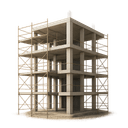
Builders Risk
May cover a structure under construction, along with materials on site, against damage from fire, wind, theft, and vandalism.
Inland Marine Insurance Cost in Kansas City
Average Cost in Kansas
$20 - $100
per month
Businesses in Kansas typically see inland marine insurance premiums of $20 - $100 per month, which tends to run close to the national range of $20 - $100 per month.
- Total insured value of the scheduled property
- Type and age of the equipment
- Where it is stored and how far it travels
- Jobsite security and theft prevention
- Per-item limits and deductibles
- Prior theft and in-transit losses
Contact CPK Insurance for a personalized quote.
Prices shown are general estimates, not guaranteed rates or quotes. Your actual premium will depend on the insurer, coverage selected, business details, location, claims history, and other underwriting factors. Learn about our pricing methodology.
For Kansas businesses, the stated range for this coverage varies based on carrier, class of business, and the property being insured. In a competitive market, pricing can differ enough that a quote from one carrier may not resemble another. That is especially true when endorsements or higher limits are involved.
Several Kansas factors can move the premium. The state's elevated tornado risk is one of the clearest drivers, because severe weather can increase the chance of damage to property stored at job sites or in temporary locations. Theft exposure also matters, especially for mobile property that spends time away from a secured primary location. Property crime and increasing motor vehicle theft trends can influence underwriting attention when property is transported between locations. Carrier pricing also reflects your specific coverage limits, deductibles, claims history, and policy endorsements.
Kansas businesses should also expect premiums to vary by geography within the state. A crew working across multiple counties, or a contractor with frequent outdoor storage, may see different pricing than a business with shorter transit windows and more controlled storage. The final cost will depend on the value of the items insured and how often they move.
What Makes Kansas City Different
In a market shaped by storefront operations, contractors, and service businesses, claims are often less about a single warehouse address and more about items changing location, vehicle, or custody during the workday. That means your review should focus on the schedule and valuation method as much as the limit itself. If your stock rotates between a back room and a pop-up selling area, or your tools stay overnight at a remodel site, ask whether you need blanket treatment for smaller items and scheduled treatment for higher-value equipment. If customer goods come into your possession for repair, installation, or temporary storage, spell that out instead of assuming a general form handles it. Property is mobile here, so your application should describe movement patterns, temporary locations, and who signs for handoffs.
Our Recommendation for Kansas City
Start with a map of your real operation. Walk through what travels off premises, what stays in vehicles, what sits at job sites overnight, and what belongs to customers rather than your business. Then group those items by value and replaceability. A small hand-tool pool may fit a blanket approach, while diagnostic equipment, leased machinery, or high-value merchandise may need itemized treatment. If you serve multiple stops in one day, note the usual route pattern and the maximum value in transit at one time, because peak exposure often outweighs your average daily load. Review any contracts that shift responsibility for rented equipment, installation materials, or goods in your care. If a client requires proof before delivery or site access, ask for certificates and wording early so you are not revising coverage after the job is booked.
Get Inland Marine Insurance in Kansas City
Enter your ZIP code to compare inland marine insurance rates from carriers in Kansas City, KS.
Business insurance starting at $25/mo
FAQ
Frequently Asked Questions
Businesses that move tools, merchandise, or customer goods between locations are strong candidates. With county establishments concentrated in retail trade, construction, and service work, you should review your policy if items regularly leave your main address.
Contractors often use it for tools, materials, and equipment that travel to and remain at job sites. Here, the important step is matching limits, item schedules, and overnight storage details to how your crews actually work.
The concentration of retail, construction, and service work means many local operations have mobile exposures. Your quote should describe transit, temporary locations, and custody changes.
Retailers may need this coverage when inventory travels to temporary selling locations, events, deliveries, or off-site installations. Documenting peak values and where goods are kept during transit or while waiting for handoff is essential.
Send your latest inventory or equipment schedule, recent contracts, and the addresses where items are most often stored overnight. That gives you a quote grounded in how your operation actually moves.
Depending on the carrier form, it can help cover business property that moves, including goods in transit between locations, job sites, or temporary storage.
It is designed to follow covered property away from your fixed location, so items stored at a job site or temporary location may be covered if the policy form includes that exposure.
Contractors, installers, businesses that ship goods, and small businesses that move valuable portable property across the state are the clearest fit.
Sources
- 1.U.S. Census Bureau, County Business Patterns, Wyandotte County(Retail trade leads the business mix in the county that contains this city, at 14.1% of establishments, with construction at 12.2% and other services at 10.6%.; Wyandotte County has 3,129 business establishments.)
Updated July 16, 2026





