







































Updated July 16, 2026

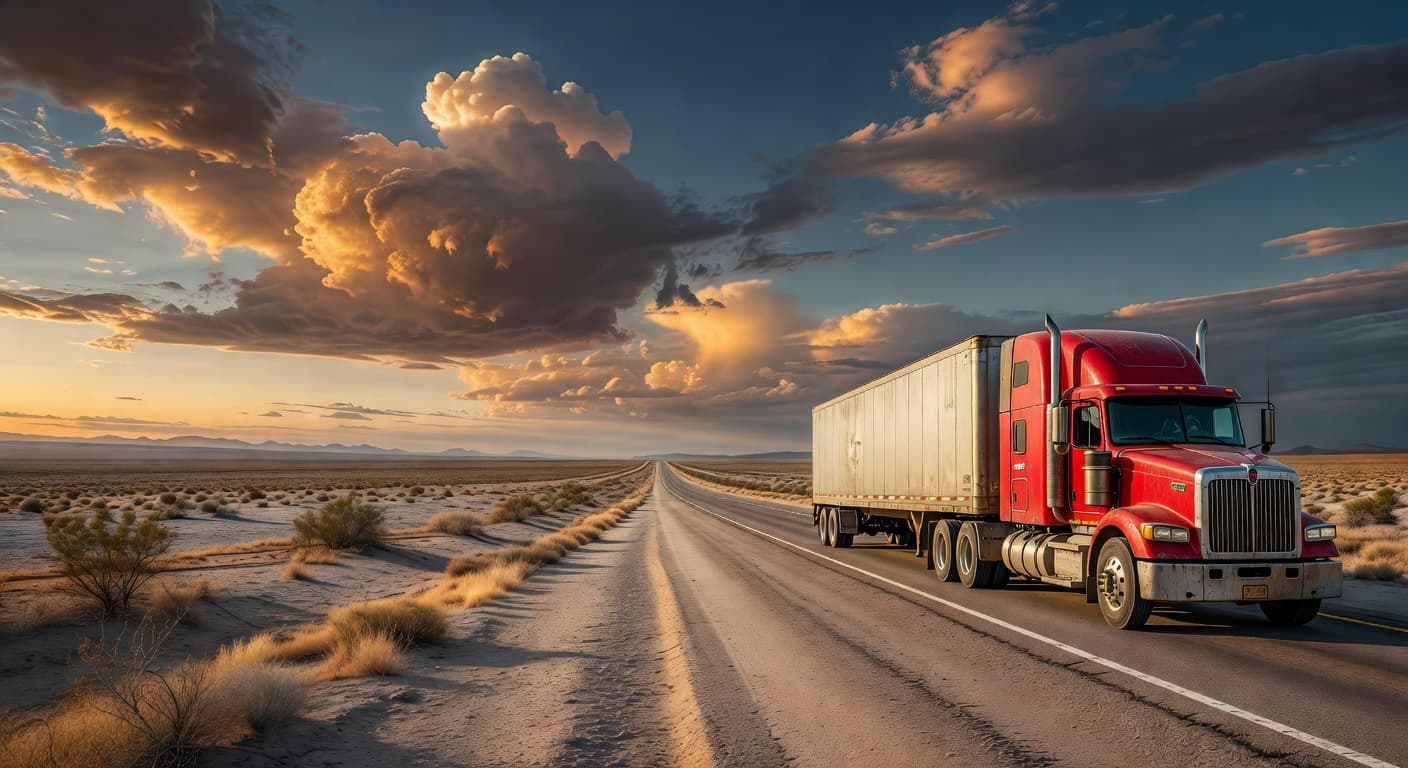
Commercial Truck Insurance in Overland Park
If you are shopping for coverage here, your quote should reflect how your vehicles actually serve offices, clinics, retailers, and contractors across Johnson County and the wider Kansas City side, not just annual mileage. A policy for this market often has to satisfy more certificates, tighter delivery windows, and more frequent stops than a similar operation serving smaller Kansas communities. Johnson County has 18,802 business establishments, which means your trucks are making more vendor visits and scheduled drop-offs than a typical rural route would require. The local customer base also skews affluent, with Overland Park median household income at $103,838, so a property damage claim at a customer site may carry a higher payout than the same incident in a less affluent area. Before you renew, map your actual stops and identify which clients ask for certificates before work starts.
Commercial Truck Insurance Risk Factors in Overland Park
Overland Park's top risk factors include Tornado damage, Hail damage, Severe storm damage, and Wind damage.
Kansas has a very high climate risk rating. Top hazards: Tornado (Very High), Hailstorm (Very High), Severe Storm (Very High), Drought (Moderate). The state's expected annual loss from natural hazards is $1.6B, which influences commercial truck insurance premiums and may affect coverage availability in high-risk areas.
What Commercial Truck Insurance Covers
Your policy is built around your operating authority, freight type, and whether you run under a motor carrier model or as an owner-operator. The core protections include motor carrier liability, physical damage, cargo coverage, trailer interchange, bobtail coverage, and non-trucking liability. Kansas does not replace federal trucking rules, so the coverage still has to align with FMCSA expectations where they apply. The Kansas Insurance Department oversees the market, and the state's commercial auto minimums sit at $25,000/$50,000/$25,000, meaning the legal floor is often lower than what freight contracts actually demand.
Very high tornado, hailstorm, and severe storm risk can make physical damage coverage especially relevant for tractors, trailers, and refrigerated units parked outside or traveling across open corridors. Cargo insurance is usually written as a separate coverage section, so the goods you haul may be protected against theft, damage, or loss during transit, but only within the policy's limits and freight terms. Bobtail coverage matters when a truck is operated without a trailer and outside dispatch, while non-trucking liability applies to off-dispatch use. Trailer interchange is important if you handle other parties' trailers under agreement.
Because premiums are influenced by location, claims history, and endorsements, the policy you buy should be matched to the counties, terminals, and freight lanes you actually use.
Coverage Included

Motor Carrier Liability
Can help cover injuries and property damage your truck causes to others, a coverage federal regulators require most for-hire carriers to maintain.
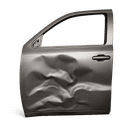
Physical Damage
Can help pay to repair or replace your own truck after an accident, fire, theft, or vandalism.
Cargo Coverage
May pay for damage to or theft of the freight you are hauling while it is in your care.
Trailer Interchange
Can help cover damage to trailers you haul under an interchange agreement but do not own.
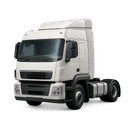
Bobtail Coverage
May provide liability protection when you drive your tractor without a trailer attached, such as after dropping off a load.

Non-Trucking Liability
Can help cover accidents that happen when you use your truck for personal errands rather than dispatched work.
Commercial Truck Insurance Cost in Overland Park
Average Cost in Kansas
$380 - $1,075
per month
Businesses in Kansas typically see commercial truck insurance premiums of $380 - $1,075 per month, which tends to run 5% below the national range of $400 - $1,125 per month.
- Radius of operation
- Commodities hauled and cargo value
- Number and value of power units
- Driver motor vehicle records and CDL experience
- DOT safety record, inspections, and FMCSA scores
- Liability limits and physical damage deductibles
Contact CPK Insurance for a personalized quote.
Prices shown are general estimates, not guaranteed rates or quotes. Your actual premium will depend on the insurer, coverage selected, business details, location, claims history, and other underwriting factors. Learn about our pricing methodology.
Commercial truck insurance cost in Kansas is shaped by the state's below-national-average premium index of 92 on a 100-point scale, which means the overall market pricing can be favorable compared to many other states. The actual price per truck still varies widely by coverage limits, deductibles, claims history, location, industry risk profile, and endorsements. Kansas's elevated tornado risk can push pricing higher for physical damage coverage, especially when tractors, trailers, and cargo are exposed to hail and severe storm loss. The state's very high overall climate risk rating is a meaningful factor for carriers writing trucking accounts here.
The Kansas market is competitive, with several top carriers active in the state. A fleet with clean claims history, careful deductible choices, and well-documented routes may price differently than a local hauler with frequent city driving or a long-haul operation with higher cargo values. Kansas accident data also affects pricing expectations, since the state's fatal crash rate of 1.53 per 100 million vehicle miles traveled is above the national average of 1.33. That means carriers may view the state's road risk more strictly, so if your drivers have recent violations, expect tighter underwriting and higher premiums. Even a single at-fault accident can meaningfully affect your renewal premium.
Industries & Insurance Needs in Overland Park
Johnson County's business mix changes how many truck operations work day to day. Professional, scientific, and technical services account for 15.2% of establishments, health care and social assistance 12.2%, and retail trade 9.7%, so local trucking is often less about long rural stretches and more about repeat service into office campuses, medical sites, and storefront corridors. That matters because each stop can create a different insurance question: who controls the loading area, whether drivers enter customer premises, whether equipment or goods stay in the vehicle between stops, and how quickly a certificate has to be produced to keep an account active. If your routes support medical suppliers, retail replenishment, document movement, or contractor deliveries tied to these sectors, ask for a quote that separates liability, cargo, physical damage, and any non-trucking exposures instead of assuming one standard setup fits every stop.
What Makes Overland Park Different
In many parts of Kansas, a truck policy conversation starts with distance, road time, and weather exposure. Here, the more important question is often how often your trucks interact with customer property, loading zones, and vendor requirements during a normal week. A local fleet may spend more time navigating appointments, backing into commercial lots, and proving coverage to property managers or procurement teams than simply logging open-road miles. That shifts the buying decision toward operational fit, including how you schedule stops and whether clients expect additional insured or waiver language on short notice. If your current policy was built for a simpler route pattern, review endorsements and certificate turnaround before assuming it still matches how you work here.
Our Recommendation for Overland Park
Your stop pattern matters more than your truck list when you start a review. If one vehicle handles office deliveries in the morning, retail replenishment in the afternoon, and contractor materials the next day, your coverage needs to fit every account type you serve. Gather every contract or certificate request you have received in the last year and compare them against your current policy terms. Ask how claims involving customer property or borrowed trailers would be handled, since small service failures at high-value client sites can become costly disputes. If anything in your operation changed, such as new clients or different commodities, request a fresh quote built from those details rather than last year's declarations page.
Get Commercial Truck Insurance in Overland Park
Enter your ZIP code to compare commercial truck insurance rates from carriers in Overland Park, KS.
Business insurance starting at $25/mo
FAQ
Frequently Asked Questions
Overland Park buyers often need a policy review built around frequent customer stops and certificate requests, not just highway miles. In Johnson County, vendor access, loading practices, and proof-of-coverage timing can affect what you should ask to include.
They can, because the city's median household income is $103,838, which means a single incident at a customer site may carry a higher payout risk than you would see in a less affluent market.
Johnson County shapes route patterns through the kinds of businesses your trucks serve. Professional, scientific, and technical services make up 15.2% of establishments, health care and social assistance 12.2%, and retail trade 9.7%, so your trucks are more likely to make repeated stops at office parks and clinics than to run long-haul freight routes.
Overland Park operations often should, especially if customers ask for proof of coverage before deliveries or site access. A renewal is a good time to sit down with your contracts and confirm that your named insureds and coverage terms still line up with what your customers actually require.
Request a quote from CPK Insurance and we will match you with participating licensed providers who understand local trucking operations.
In Kansas, the policy can be built around motor carrier liability, physical damage, cargo coverage, trailer interchange, bobtail coverage, and non-trucking liability, depending on how your truck is used and what you haul.
Kansas commercial auto minimums are listed at $25,000/$50,000/$25,000, and the Kansas Insurance Department regulates the market, but your actual trucking limits may need to be higher based on freight contracts and operating needs.
Your final price depends on limits, deductibles, claims history, location, and endorsements, with average premiums ranging from $380 to $1,075 per truck per month.
Sources
- 1.U.S. Census Bureau, County Business Patterns, Johnson County(Johnson County has 18,802 business establishments, so many trucking risks here involve regular vendor access, scheduled drop-offs, and customer site requirements.; Professional, scientific, and technical services account for 15.2% of establishments, health care and social assistance 12.2%, and retail trade 9.7%, so local trucking is often less about long rural stretches and more about repeat service into office campuses, medical sites, and storefront corridors.)
- 2.U.S. Census Bureau, ACS 5-Year Estimates, table B19013(The local customer base also skews affluent, with Overland Park median household income at $103,838, so a delivery mistake, property damage claim, or service interruption can turn into a larger customer-service and claim-severity problem.)
Updated July 16, 2026





