
Updated July 16, 2026

Fidelity Bond Insurance in Overland Park
You are about to hand staff keys, alarm codes, client files, payment access, or unsupervised time inside a home or office, and the other side wants proof before they move forward. The local buying conversation usually gets specific fast. This is a market with a high median household income of $103,838, which means a larger share of your clients have enough at stake to scrutinize your bond limit before letting staff near their property or finances. You are often better served by reviewing who can enter a premises alone, who can process refunds or deposits, and how quickly you can produce a certificate that matches the job. Bring that workflow to a quote request so the bond is reviewed around real access points instead of a generic class code.
About Fidelity Bond Insurance in Overland Park, KS
The question is whether the bond request in front of you lines up with the way your employees actually touch money, records, inventory, or customer property during a normal week. A landlord reviewing a janitorial tenant, for example, may care about employee access after hours. A professional services client may care more about staff who can initiate payments, change vendor details, or handle incoming checks.
This is where contract language matters. Some companies are asked for proof of a fidelity bond as part of a lease exhibit, master service agreement, or procurement packet. Others are not formally required to carry it, but they find that having it in place helps clear a compliance review faster because the other party wants evidence that employee dishonesty risk has been considered. If your team enters customer premises, handles deposits, manages stock, or has access to accounting systems, ask for the bond wording and limit request in writing before you shop.
You also want to compare the bond request against your internal controls. If one employee can receive funds, post transactions, approve refunds, and reconcile accounts without a second review, that should be disclosed during quoting. If duties are split, access is logged, and exceptions are reviewed by management, that should be part of the application too. The strongest buying decision usually comes from matching the bond to the actual point of loss inside your operation, not from buying a generic limit and hoping it satisfies every contract.
Coverage Included

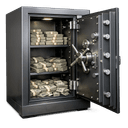
Employee Theft
Covers losses from employees stealing money, property, or inventory.
Embezzlement
Covers losses from employees misappropriating company funds.

Forgery
Covers losses from forged checks, documents, or signatures.

Computer Fraud
Covers electronic theft and unauthorized fund transfers.

Third-Party Coverage
Covers losses to clients caused by your employees' dishonesty.
Industries & Insurance Needs in Overland Park
Johnson County is the business context that matters most here. The county has 18,802 business establishments, and its largest establishment shares are professional, scientific, and technical services at 15.2%, health care and social assistance at 12.2%, and retail trade at 9.7%. So a lot of local bond requests come from operations where employees may handle client property, records, payments, inventory, or access credentials rather than heavy equipment or field hazards. That changes the buying conversation. A consulting firm may need the bond framed around employee dishonesty tied to client premises or funds. A care provider may need to think harder about staff entering homes or handling sensitive belongings. A retailer may need to review cash controls, refund authority, and who can work alone. If your business serves any of those client types, ask for a quote built around actual access, custody, and internal controls, not just your NAICS label.
What Makes Overland Park Different
Households and higher trust service relationships often come with more scrutiny before someone lets your employee into a residence, around valuables, or near financial information. The buyer on the other side of the transaction may be less willing to rely on a verbal assurance or a bare certificate with no context. That can affect how you present your coverage and how you choose limits. If your team cleans homes, provides in-home services, manages offices after hours, supports executives, or handles bookkeeping, review whether your bond request clearly matches employee access to money, securities, property, and client premises. Delays at the certificate stage can slow down move-ins, service starts, and contract approvals.
Our Recommendation for Overland Park
Start with your access map, not your org chart. List every role that can enter a client site alone, touch cash or deposits, issue credits, handle sensitive records, or work around portable property, then use that list when you request terms. In this market, that usually produces a more useful fidelity bond review than a broad description like office staff or service team. If you serve households, be ready to explain screening, supervision, key control, and what happens when an employee leaves. If you serve professional offices or medical settings, document who can access records, payment systems, and after-hours premises. Keep your certificate process tight as well. A local prospect may ask for proof late in the sales cycle, and a mismatch between named insured, limit, or form can stall the job. If you want cleaner quotes, gather your employee count, duties by role, prior losses if any, and the largest amount of client property or funds one person can access at one time.
Get Fidelity Bond Insurance in Overland Park
Enter your ZIP code to compare fidelity bond insurance rates from carriers in Overland Park, KS.
Business insurance starting at $25/mo
FAQ
Frequently Asked Questions
Overland Park buyers often want proof that ties your bond limit to the actual risks a specific employee creates. Spell out who enters homes or offices alone, who handles payments or valuables, and whether you need a certificate that aligns with a lease, service agreement, or vendor onboarding packet.
It can make the conversation more exacting. Buyers with more property and income at stake tend to dig into screening and key control before they allow unsupervised entry into a residence.
Johnson County has 18,802 business establishments, with professional services, health care and social assistance, and retail holding large establishment shares. That many businesses in trust-heavy fields means your competitors are already fielding these access questions, which raises the standard your quote has to meet.
Yes. A quote is easier to shape correctly when you explain separation of duties, hiring checks, refund authority, key access, and who can work alone, because those details show how internal loss could happen.
Businesses can look to the Kansas Insurance Department for regulator information if a policy or filing question needs escalation. For buying decisions, it is still smarter to resolve named insured, limit, and certificate details before the contract deadline.
Clients sometimes ask for proof before onboarding, especially when your employees handle funds, records, inventory, or access customer premises. Get the contract language first, then match the bond limit and certificate wording to that request so you do not buy the wrong form.
Kansas does not have a statewide rule requiring every business to carry it. More often, the requirement comes from a lease, lender file, or client agreement, so review the contract that triggered the request before you shop.
Small businesses usually buy it by starting with operations, not marketing labels. List who can receive money, approve payments, change records, or access customer property, then submit that workflow with any contract requirement so the quote reflects your risk profile.
Sources
- 1.U.S. Census Bureau, ACS 5-Year Estimates, table B19013(Overland Park has a median household income of $103,838, so households and private clients may expect tighter screening, clearer documentation, and a bond limit that matches the property, valuables, or financial access your employees handle.)
- 2.U.S. Census Bureau, County Business Patterns, Johnson County(Johnson County has 18,802 business establishments, and its largest establishment shares are professional, scientific, and technical services at 15.2%, health care and social assistance at 12.2%, and retail trade at 9.7%, so many local bond requests center on employee access to client property, records, payments, inventory, or credentials.)
- 3.Kansas Insurance Department(The Kansas Insurance Department is Kansas's insurance regulator.)
Updated July 16, 2026