
Updated July 5, 2026

Homeowners Insurance in Overland Park
A tighter local market changes how you shop. In a city where many homes carry higher replacement values, some carriers are more selective about roof age, prior claims, and how closely Coverage A tracks current rebuild costs. That makes homeowners insurance in Overland Park less about grabbing a generic quote and more about presenting a clean, well-documented risk to the market. The local median home value is $384,400, so even small gaps between market value, loan balance, and estimated reconstruction cost can leave you underinsured if your limits have not been reviewed recently. Median household income is $103,838, which often means more finished basements, upgraded interiors, home offices, and higher-value personal property that standard sublimits may not match. If you are comparing quotes here, bring your current declarations page, roof age, any recent updates, and a rough inventory of electronics, jewelry, and specialty items. That gives you a more accurate comparison and helps you ask better questions about dwelling limits, water backup, ordinance or law, and scheduled property before you switch or renew.
Kansas has a very high climate risk rating. Top hazards: Tornado (Very High), Hailstorm (Very High), Severe Storm (Very High), Drought (Moderate). The state's expected annual loss from natural hazards is $1.6B, which influences homeowners insurance premiums and may affect coverage availability in high-risk areas.
What Homeowners Insurance Covers
In Kansas, the most useful coverage review usually centers on how your policy may respond to the losses homeowners here actually worry about. That means reading the quote beyond the declarations page and checking how the form handles wind, hail, roof damage, detached structures, temporary living costs after a covered loss, and water events that may fall outside the base policy.
Start by asking whether the roof is settled at replacement cost or with depreciation in some situations. That single detail can change what you collect after a storm claim. Next, review whether your deductible is a flat dollar amount or a separate wind or hail deductible. A higher deductible may reduce premium, but it also changes what you must pay out of pocket before repairs begin.
Kansas buyers should also look closely at exclusions and optional endorsements. Flood damage may fall outside a standard homeowners policy, so if your property has drainage concerns, low spots, or prior water issues, ask about a separate flood policy instead of assuming the base form responds. Sewer or drain backup is another area worth reviewing because many homeowners only discover the gap after a loss.
If you host guests often, have a dog, a pool, a trampoline, or frequent service providers at the house, ask how the policy addresses those exposures and whether any restrictions apply. Personal property coverage may also work better when you identify items that may need special scheduling, such as jewelry, collectibles, or equipment kept at home.
Coverage Included

Dwelling
Repairs or rebuilds your home itself, the walls, roof, floors, built-in appliances, and attached structures like a garage, after a covered loss. Set this limit to the full cost of rebuilding, not market value.
Other Structures
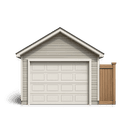
Detached structures on your property, such as a fence, shed, detached garage, or gazebo. Usually set at about 10 percent of your dwelling limit [2].

Personal Property
Your belongings, furniture, clothing, electronics, and appliances, generally written at 50 to 70 percent of your dwelling limit [2]. High-value items like jewelry and art carry special limits.

Additional Living Expenses
Also called loss of use. Pays your added living costs, hotel stays, meals, and a temporary rental, while a covered loss makes your home uninhabitable. Usually set at about 20 percent of your dwelling limit.

Liability
Covers you if someone is injured on your property, or you damage someone else's property, and you are found responsible. The standard $100,000 limit [2] is often raised to $300,000 or $500,000.

Medical Payments
Pays small medical bills, commonly $1,000 to $5,000, if a guest is hurt at your home regardless of fault, without a formal liability claim.
Homeowners Insurance Cost in Overland Park
Average Cost in Kansas
$120 - $300
per month
In Kansas, homeowners insurance premiums typically run $120 - $300 per month, which tends to run 17% above the national range of $110 - $250 per month.
- Home replacement cost, age, and construction type
- Roof age, material, and condition
- ZIP code and local weather risk (wind, hail, wildfire, hurricane)
- Coverage limits and endorsements
- All-peril and percentage wind/hail deductibles
- Claims history and insurance score where allowed
Typical range for many standard homeowners profiles; lower-risk homes fall below it and coastal, wildfire, or older-roof homes can run well above. Final pricing depends on property details, location, underwriting, and selected coverage.
Prices shown are general estimates, not guaranteed rates or quotes. Your actual premium will depend on the insurer, coverage selected, personal details, location, claims history, and other underwriting factors. Learn about our pricing methodology.
Homeowners premiums in Kansas vary widely because the quote is built from the house, the location, and the way the policy is structured. Many homes see premiums from $120 to $300 per month, depending on the home's rebuild profile, roof age and material, prior claims, deductible choice, and whether the carrier sees elevated wind or hail exposure at that address. Well below that range, check whether the dwelling limit or roof settlement language has been trimmed. Well above it, look at roof age, prior claims, or wind and hail deductibles as likely drivers.
The most important pricing inputs are usually the dwelling limit, construction details, roof condition, and claims history. If your quote seems high, do not assume the answer is simply to cut coverage. First check whether the rebuild estimate is accurate, whether the roof age is listed correctly, and whether the quote includes endorsements you actually want. Then compare deductible options and roof settlement language side by side.
Kansas weather also makes policy form differences matter. One quote may look cheaper because it applies more restrictive roof loss terms or a different wind and hail deductible. Another may cost more because it includes broader settlement terms or stronger water-related options. That is why a fair comparison uses the same address, occupancy, dwelling limit, and deductible structure across quotes.
If you are shopping after a claim or after several years without reviewing the policy, expect the premium to move for reasons beyond inflation alone. Ask what changed in the underwriting assumptions, what discounts are available for updated roofing or bundled policies, and which coverage choices are driving the price.
What Affects Homeowners Insurance Rates in Overland Park
Home values change the conversation here because many homes need higher dwelling limits. That does not tell you your premium by itself, but it does signal that higher limits usually deserve a closer review of deductibles, endorsements, and whether your personal property limit still fits what is actually in the house. Household income levels here also suggest it is common to see remodeled kitchens, finished lower levels, better flooring, and more expensive furnishings or electronics than an older policy was built around. If your home has been updated over time, ask for a fresh replacement cost estimate rather than relying on last year's renewal figures. Then compare how each quote handles roof settlement, water backup, service line options, and loss of use. That is usually more useful than focusing only on the base premium.
What Makes Overland Park Different
Higher household asset concentration is the main thing that changes the calculus here. In this market, the question is often not whether you can get a policy, but whether the policy still matches the way you live now. That matters because liability exposure can rise with more frequent guests, teen drivers, domestic employees, or volunteer activity, while personal property exposure can rise as households accumulate better furniture, electronics, jewelry, and hobby equipment. It also affects how you compare quotes. A lower premium can look attractive until you notice tighter jewelry limits, weaker water backup options, actual cash value treatment on parts of the loss, or a dwelling estimate that has not kept up with renovations. Here, the better buying move is usually to review limits and endorsements line by line, then decide whether the savings are worth the tradeoffs.
Our Recommendation for Overland Park
Start with your current declarations page and verify the dwelling limit against a fresh replacement cost estimate, especially if you have remodeled, finished a basement, or upgraded roofing, flooring, cabinets, or built-ins. Next, review personal property with a practical eye. Higher-income households often outgrow standard sublimits quietly, so jewelry, collectibles, musical instruments, and home office equipment may need to be scheduled or separately reviewed. Ask each carrier how they handle water backup, sewer backup, ordinance or law, and roof loss settlement, because those details can change claim outcomes more than a small premium difference. If you work from home or host clients occasionally, disclose that use so the quote reflects it. Finally, compare liability limits with your broader asset picture, not just your mortgage balance. If you want a useful quote, send the year built, roof age, square footage, update history, pets, prior claims, and any protective devices before you bind.
Get Homeowners Insurance in Overland Park
Enter your ZIP code to compare homeowners insurance rates from carriers in Overland Park, KS.
Home insurance starting at $50/mo
FAQ
Frequently Asked Questions
Overland Park quotes can separate quickly because many homes sit in a higher-value range, and carriers may weigh roof age, prior claims, updates, and replacement cost estimates differently. Here, limit accuracy matters as much as price.
Overland Park homeowners usually should review dwelling coverage after remodeling because upgraded kitchens, baths, flooring, or finished basements can change reconstruction cost. Policies here often need updates when improvements have been made over time.
Overland Park households often should check sublimits for jewelry, watches, collectibles, and electronics before assuming the base policy is enough. Higher-value personal property can outgrow standard limits without much notice, especially after upgrades and new purchases.
Johnson County can influence home coverage needs because there are 18,802 business establishments, and leading sectors include professional, scientific, and technical services at 15.2%, health care and social assistance at 12.2%, and retail trade at 9.7%. So, home office use and business property should be disclosed.
Kansas policies can differ a lot on wind and hail, especially around deductibles and how roof losses are settled. Before you buy, compare the same address and limits across quotes and ask for the roof terms in writing, not just the premium summary.
Kansas homeowners should usually update the policy after a roof replacement because roof age and material can affect underwriting, premium, and claim settlement terms. Send the completion details before renewal so the next quote reflects the home's current condition.
Kansas buyers can verify licensing and consumer information through the state insurance regulator before they buy. Use that step before binding coverage so you know the insurer or producer is properly authorized and you have a place to start if questions come up later.
Kansas homeowners should not assume a standard policy can help cover flood damage. Flood is typically handled outside the base homeowners form, so if your property has drainage concerns or prior water issues, ask about a separate flood policy during the quote process.
Sources
- 1.U.S. Census Bureau, ACS 5-Year Estimates, table B25077(The local median home value is $384,400, so even small gaps between market value, loan balance, and estimated reconstruction cost can leave you underinsured if your limits have not been reviewed recently.)
- 2.U.S. Census Bureau, ACS 5-Year Estimates, table B19013(Median household income is $103,838, which often means more finished basements, upgraded interiors, home offices, and higher-value personal property that standard sublimits may not match.)
- 3.U.S. Census Bureau, County Business Patterns, Johnson County(Johnson County can influence home coverage needs because there are 18,802 business establishments, and leading sectors include professional, scientific, and technical services at 15.2%, health care and social assistance at 12.2%, and retail trade at 9.7%.)
Updated July 5, 2026