







































Updated July 16, 2026

Inland Marine Insurance in Overland Park
Property managers, lenders, general contractors, and event venues in Overland Park often want proof that your tools, installation materials, leased equipment, or customer property are insured before they hand over keys, approve a draw, or let work start. For many local businesses, satisfying that request means showing scheduled equipment details, clear limits for property that travels, and certificates that match the job or contract. If you are shopping for this coverage locally, the practical question is not whether property leaves your main address. It is how often it moves between offices, medical sites, retail locations, client premises, and temporary work areas during a normal week.
Inland Marine Insurance Risk Factors in Overland Park
Overland Park's top risk factors include Tornado damage, Hail damage, Severe storm damage, and Wind damage.
Kansas has a very high climate risk rating. Top hazards: Tornado (Very High), Hailstorm (Very High), Severe Storm (Very High), Drought (Moderate). The state's expected annual loss from natural hazards is $1.6B, which influences inland marine insurance premiums and may affect coverage availability in high-risk areas.
What Inland Marine Insurance Covers
In Kansas, this coverage is designed for business property that is mobile, in transit, or stored away from your main location. Commercial property coverage is built for a fixed address, while this coverage is meant to follow property to a worksite, customer location, or temporary storage point.
Kansas-specific conditions can influence how a policy is written, especially because the Kansas Insurance Department regulates the market. In practice, that means endorsements, deductibles, and valuation terms should be reviewed carefully before binding. Your policy may cover theft, damage, vandalism, and other covered perils while property is away from your main premises, but the exact scope varies by carrier and form.
Kansas weather also makes the details matter. Tornado and hail exposure can affect how insurers underwrite movable property, especially if equipment is staged outdoors or left at open job sites. If you are insuring materials for installation work or temporary storage near Topeka, Wichita, or smaller project locations, ask how the policy treats transit, offsite storage, and items waiting to be installed.
Coverage Included
Tools & Equipment
Can help repair or replace hand tools, power tools, and gear that are stolen or damaged on the job or in transit.

Goods in Transit
May cover products, materials, and merchandise while they are being shipped or hauled between locations in your care.
Contractors Equipment
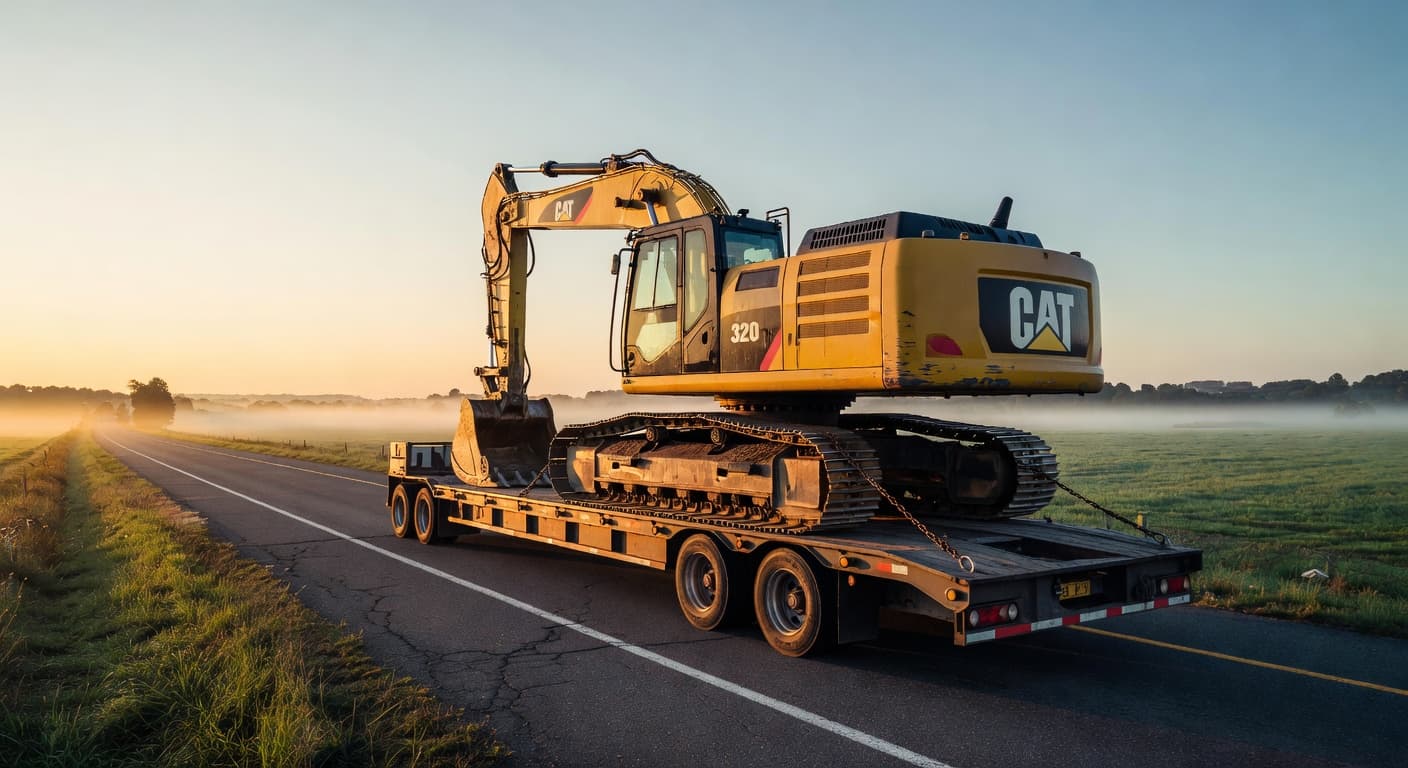
Typically covers heavy machinery like excavators, loaders, and generators against theft or damage at job sites and between them.

Installation Floater
Can help cover materials and fixtures from the moment you buy them until they are installed and accepted at a project.

Builders Risk
May cover a structure under construction, along with materials on site, against damage from fire, wind, theft, and vandalism.
Inland Marine Insurance Cost in Overland Park
Average Cost in Kansas
$20 - $100
per month
Businesses in Kansas typically see inland marine insurance premiums of $20 - $100 per month, which tends to run close to the national range of $20 - $100 per month.
- Total insured value of the scheduled property
- Type and age of the equipment
- Where it is stored and how far it travels
- Jobsite security and theft prevention
- Per-item limits and deductibles
- Prior theft and in-transit losses
Contact CPK Insurance for a personalized quote.
Prices shown are general estimates, not guaranteed rates or quotes. Your actual premium will depend on the insurer, coverage selected, business details, location, claims history, and other underwriting factors. Learn about our pricing methodology.
For Kansas businesses, the stated range for this coverage varies based on carrier, class of business, and the property being insured. In a competitive market, pricing can differ enough that a quote from one carrier may not resemble another. That is especially true when endorsements or higher limits are involved.
Several Kansas factors can move the premium. The state's elevated tornado risk is one of the clearest drivers, because severe weather can increase the chance of damage to property stored at job sites or in temporary locations. Theft exposure also matters, especially for mobile property that spends time away from a secured primary location. Property crime and increasing motor vehicle theft trends can influence underwriting attention when property is transported between locations. Carrier pricing also reflects your specific coverage limits, deductibles, claims history, and policy endorsements.
Kansas businesses should also expect premiums to vary by geography within the state. A crew working across multiple counties, or a contractor with frequent outdoor storage, may see different pricing than a business with shorter transit windows and more controlled storage. The final cost will depend on the value of the items insured and how often they move.
Industries & Insurance Needs in Overland Park
County business mix is the local clue. In Johnson County, professional, scientific, and technical services account for 15.2% of establishments, health care and social assistance 12.2%, and retail trade 9.7%, so inland marine demand here is not just about contractors hauling tools. It often involves diagnostic devices, portable tech, display equipment, tenant improvements, and customer property moving between offices, clinics, stores, and client sites. That changes what you should ask for in a quote. Instead of only giving a rough equipment total, break property into categories that reflect how it is used, who takes custody, and where it sits during the day. If your business serves higher-value clients or handles specialized mobile property, vague descriptions can slow claims review or leave a limit too low for one shipment or one service call. Ask for quote options that separate contractor equipment, installation floaters, and customer property where that distinction fits your operation.
What Makes Overland Park Different
Johnson County has 18,802 business establishments. With that many companies operating near one another, your clients and partners likely have established insurance expectations and little patience for slow or incomplete documentation. That makes it worth reviewing how you describe mobile property, whether borrowed or rented items need to be listed, and whether your limit still fits the largest single load you send out. Before you request quotes, build an itemized equipment and materials schedule that matches how your crews or staff actually move property.
The buying decision here is often driven by contract language, lender requirements, tenant improvement schedules, and the need to show exactly what property is mobile and how it is valued. Overland Park's median household income is $103,838. Households earning at that level tend to spend more on specialized services and premium materials, which can raise the replacement cost of the property you carry. A thin limit can become obvious the first time you move specialized gear or higher-end materials. Take stock of your most expensive single item, the biggest load your crew moves at once, and any property belonging to others, then weigh those figures against the limit and valuation basis you are considering.
Our Recommendation for Overland Park
For this market, a useful quote usually begins with a schedule that names the equipment, materials, or customer property that actually leaves your premises, plus where it goes and who has custody along the way. When you work under contracts, send the insurance requirements page with your quote request so exclusions, deductibles, and limit structure can be reviewed against the job. Businesses serving offices, clinics, or retail tenants should ask whether one blanket limit is enough or whether separate treatment for installation materials, tools, and property of others makes more sense. Lenders, landlords, and clients who want proof quickly will need certificates that accurately describe covered property and policy wording that fits leased, borrowed, or temporarily stored items. Kansas Insurance Department rules apply statewide, but your buying decision here is mostly operational.
Get Inland Marine Insurance in Overland Park
Enter your ZIP code to compare inland marine insurance rates from carriers in Overland Park, KS.
Business insurance starting at $25/mo
FAQ
Frequently Asked Questions
Property managers, lenders, general contractors, and venues in this area routinely require certificates before granting access or approving work. Having your documentation ready can speed up job starts and draw approvals.
Overland Park area businesses often do if property travels. Johnson County's establishment mix includes professional services at 15.2%, health care at 12.2%, and retail at 9.7%. Those sectors typically rely on mobile tech, diagnostic devices, displays, and customer property that may warrant a closer look at your policy.
Start with your most expensive single item, the largest load moved at one time, any leased or borrowed equipment, and any customer property in your care. A detailed list helps the quote reflect how your property actually moves.
More businesses packed into one county can mean more landlords, clients, and contractors setting insurance requirements before a job starts. Contract wording and proof-of-coverage timing can matter as much as the limit itself.
Overland Park can push you to review limits more carefully. The city's median household income is $103,838. Customers in higher-income markets often expect premium finishes and specialized equipment, so your truck may carry costlier items than you realize. Weigh your limit against your most expensive item and largest single load.
Depending on the carrier form, it can help cover business property that moves, including goods in transit between locations, job sites, or temporary storage.
It is designed to follow covered property away from your fixed location, so items stored at a job site or temporary location may be covered if the policy form includes that exposure.
Contractors, installers, businesses that ship goods, and small businesses that move valuable portable property across the state are the clearest fit.
Sources
- 1.U.S. Census Bureau, County Business Patterns, Johnson County(Johnson County has 18,802 business establishments, so you are often working in a dense network of landlords, vendors, and clients that expect documentation to be clean and fast.; In Johnson County, professional, scientific, and technical services account for 15.2% of establishments, health care and social assistance 12.2%, and retail trade 9.7%, so inland marine demand here is not just about contractors hauling tools.)
- 2.U.S. Census Bureau, ACS 5-Year Estimates, table B19013(Overland Park's median household income is $103,838, so many businesses serve customers and facilities where equipment, finishes, and client expectations run higher, and a thin limit can become obvious the first time you move specialized gear or higher-end materials.)
- 3.Kansas Insurance Department(Kansas Insurance Department rules apply statewide, but your buying decision here is mostly operational: match the policy to how property moves, where it pauses, and what a contract requires before work starts.)
Updated July 16, 2026





