Updated July 5, 2026

Builders Risk Insurance in Wichita
Wichita property values change how you set a builders risk limit before a shovel goes in the ground. Many smaller residential builds, flips, and major remodels here can look modest on paper, but the policy still needs to track the completed value, not just the materials sitting on site today. That matters if you are financing a spec home, adding square footage, or carrying owner-supplied finishes that would be expensive to replace after a loss.
If you are shopping builders risk insurance in Wichita, start by matching the limit to the full construction budget, soft costs where available, and any change orders you expect to approve mid-project. A deductible that feels manageable against a local median household income of $63,072 can still create a cash-flow problem if a theft or weather event hits before draw funds are released. Bring your contract sum, project timeline, site security details, and who is responsible for temporary structures. That gives you a cleaner quote and helps you see whether the policy should be written around a ground-up build, a renovation, or a vacant property under rehab.
Builders Risk Insurance Risk Factors in Wichita
Local weather exposure is the practical issue that changes the buying conversation here. Kansas is known for severe natural hazard activity at the state level, so a Wichita-area project with open framing, staged roofing materials, or partially enclosed interiors deserves a closer review of **wind, water intrusion, and delay-sensitive materials** before coverage is bound. That does not mean every site is rated the same. It means you should ask how the carrier treats materials in the open, temporary enclosures, fencing, and theft deterrence during phases when the structure is most exposed. If your schedule includes a period where windows, roofing, or exterior cladding are not yet complete, confirm how the policy responds to damage during that interval and whether any causes of loss need special review. A tighter build schedule, documented site checks, and clear responsibility for stored materials can make the quote more usable than a generic application.
Kansas has a very high climate risk rating. Top hazards: Tornado (Very High), Hailstorm (Very High), Severe Storm (Very High), Drought (Moderate). The state's expected annual loss from natural hazards is $1.6B, which influences builders risk insurance premiums and may affect coverage availability in high-risk areas.
What Builders Risk Insurance Covers
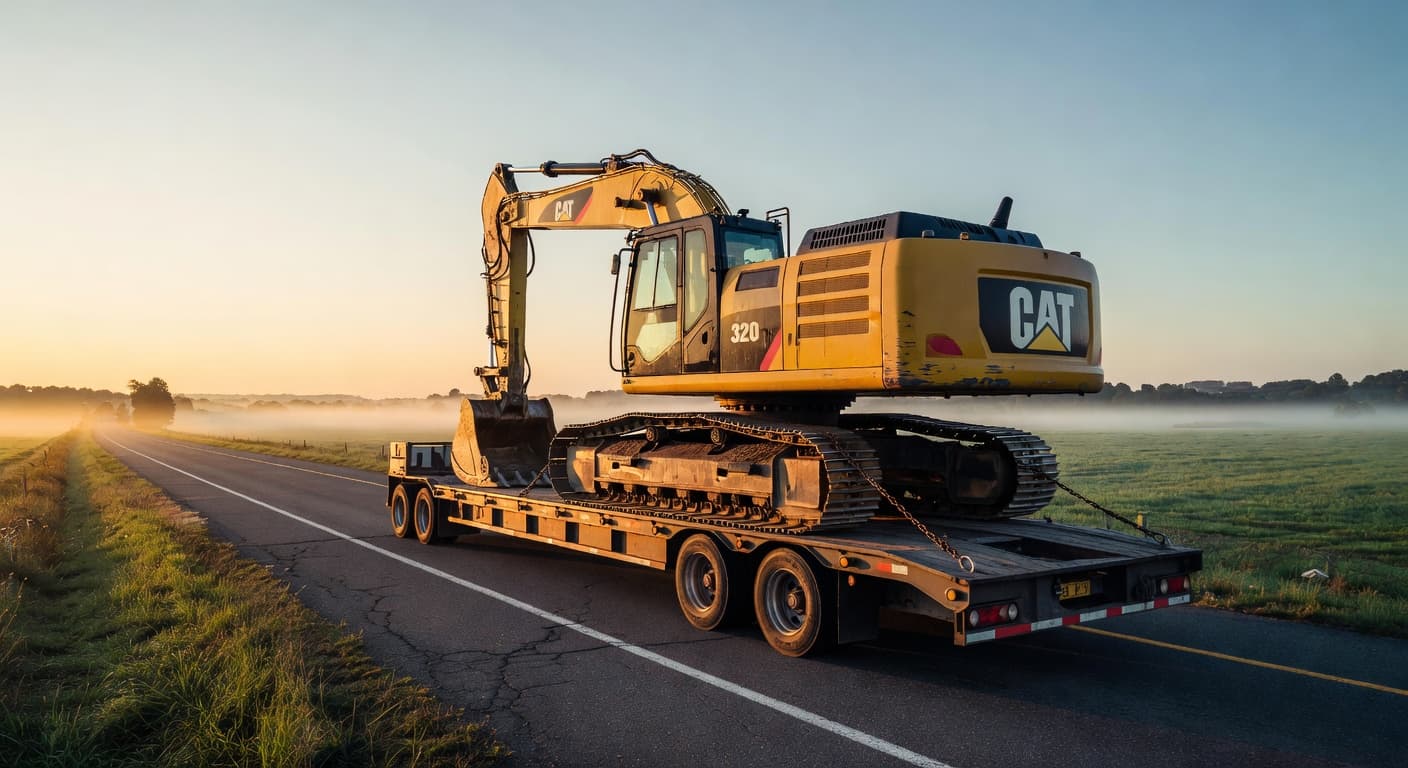
The practical coverage review usually turns on where property sits before it becomes part of the structure and which party controls it at each stage. That matters on projects where materials arrive early, sit in a laydown yard, or move between a supplier, temporary storage, and the job site before installation. If your schedule depends on long-lead items, ask whether the policy is written broadly enough for those movements and whether any sublimits apply to property away from the site.
You should also review how the policy treats partial completion. Some policies may cover completed portions of the project differently from work still in progress, so ask whether coverage shifts once a section is finished or whether the full completed value stays in force until final acceptance. A project can be most vulnerable before the building is dried in, but loss exposure does not disappear once portions are enclosed. Interior finishes, mechanical equipment, and electrical components can still be damaged by water intrusion, theft, or a job site incident. On a renovation, that review becomes even more important if work happens around an occupied building, because the line between existing property and new work needs to be clear before a claim ever happens.
For your quote request, bring the site address, project description, contract value, target completion date, and a list of any temporary structures, scaffolding, fencing, or stored materials you expect to insure. Then ask the agent to walk you through exclusions, valuation method, and when coverage begins and ends under the policy terms.
Coverage Included

Structure Coverage
Covers the building or structure under construction.
Materials on Site
Covers building materials stored at the construction site.

Materials in Transit
Covers materials being transported to the job site.
Temporary Structures
Covers scaffolding, fencing, and temporary buildings.

Soft Costs
Covers additional expenses from construction delays due to covered losses.
Equipment Coverage
Covers permanently installed fixtures and equipment.
Industries & Insurance Needs in Wichita
Sedgwick County has 12,562 business establishments, and the leading establishment shares are health care and social assistance at 13.8%, retail trade at 12.9%, and accommodation and food services at 9.8%. So a lot of local construction and renovation work touches tenant improvements, clinic build-outs, storefront updates, and restaurant spaces where opening dates, equipment delivery, and landlord requirements can matter as much as the shell itself.
For a builders risk buyer, that changes what you should bring into the quote conversation. If the project is a medical office refresh, a retail conversion, or a restaurant remodel, ask whether the policy should contemplate phased occupancy issues, owner-furnished equipment, or business-personal-property boundaries that sit outside builders risk. County business density also means more jobs where certificates, lender conditions, and lease obligations show up early. Have the lease, construction contract, and draw schedule ready so the policy can be reviewed around the actual deal terms.
What Makes Wichita Different
Completed value discipline is the main thing that changes the calculus here. In this market, it is easy to anchor on a familiar neighborhood value and understate what a project will actually cost to rebuild at its finished stage. That is where builders risk placements can go sideways, especially on additions, higher-end interior renovations, or custom residential work with upgraded finishes ordered after the first budget draft.
The better approach is to treat the local property baseline as a reality check, not as your insurance limit. If your contract price, labor exposure, and installed materials push the finished value well past that benchmark, the policy should follow the project economics rather than the neighborhood median. The same logic applies to deductibles. A deductible that looks acceptable at signing can become a problem if you need to replace stolen materials, dry out a partially enclosed structure, and keep subcontractors moving at the same time. Review limit adequacy again at each major change order.
Our Recommendation for Wichita
Start with the construction contract and decide whose financial interest actually needs to be scheduled, because local projects often involve owners, lenders, and general contractors who each expect to see their stake reflected correctly. Then build the submission around the job as it will exist during its most exposed phase, not just the finished rendering or the first draw request.
For residential work, compare the projected completed value against the original budget and update it if finishes, cabinetry, roofing scope, or square footage changed after permit plans were issued. For commercial tenant work, bring the lease exhibits and note any owner-furnished items, opening deadlines, or utility restoration dependencies. If materials will sit in a yard, trailer, or temporary storage before installation, ask for that exposure to be reviewed explicitly rather than assumed. Before binding, confirm the policy term matches the real schedule, including likely extensions, so you are not renegotiating coverage while the site is still active.
Get Builders Risk Insurance in Wichita
Enter your ZIP code to compare builders risk insurance rates from carriers in Wichita, KS.
Business insurance starting at $25/mo
FAQ
Frequently Asked Questions
Wichita buyers should base the limit on completed value, not the current stage of construction. The local median home value is $179,500, which is a useful benchmark, but your policy should follow the full rebuild cost, approved upgrades, and expected change orders.
Wichita projects often need a deductible that fits real cash flow, not just the bid sheet. With median household income at $63,072, a higher deductible may look efficient until you need to replace materials and keep trades on schedule after a loss.
Sedgwick County has 12,562 business establishments, so many local jobs involve leased space, lender oversight, or tenant improvement work. That makes it smart to bring the lease, loan conditions, and contract exhibits into the quote review before coverage is bound.
Sedgwick County business mix includes health care and social assistance at 13.8%, retail trade at 12.9%, and accommodation and food services at 9.8%. Those project types often carry opening-date pressure, specialized build-outs, and owner-furnished items that need closer policy review.
The Kansas Insurance Department regulates policy forms, endorsements, and carrier compliance.
Renovation projects often deserve a builders risk review when new work, materials, and partially completed improvements could be damaged before completion. The key step is separating existing property from the renovation scope so responsibilities are clear.
Construction financing often comes with insurance conditions in the loan documents. Before closing, compare the lender's requirements with the construction contract so the named parties, valuation approach, and policy term all match.
Projects sometimes need off-site storage because materials arrive before installation. Coverage may be available depending on the policy terms, so ask specifically about temporary storage locations, sublimits, and who controls the property there.
Sources
- 1.U.S. Census Bureau, ACS 5-Year Estimates, table B25077(Wichita median home value is $179,500.)
- 2.U.S. Census Bureau, ACS 5-Year Estimates, table B19013(Wichita median household income is $63,072.)
- 3.U.S. Census Bureau, County Business Patterns, Sedgwick County(Sedgwick County has 12,562 business establishments.; Sedgwick County's leading establishment shares are health care and social assistance 13.8%, retail trade 12.9%, and accommodation and food services 9.8%.)
Updated July 5, 2026