
Updated July 16, 2026

Homeowners Insurance in Wichita
Sedgwick County has a deep bench of roofing, plumbing, electrical, and restoration contractors ready to respond after a loss. That matters because your policy in Wichita is not just about carrying a card. It is about making sure your dwelling limit, loss settlement terms, and deductible still fit what it may take to line up qualified repair work and keep a project moving. Before renewal, look closely at roof loss settlement, sudden water damage, ordinance or law coverage, and additional living expenses if repairs push you out of the house for a stretch.
Wichita also sits in a housing market where many owners have a gap between market value and what a full rebuild could require under current labor and material conditions. Before renewal, compare your declarations page against recent upgrades, detached structures, and any higher-value belongings that may need scheduled coverage.
Kansas has a very high climate risk rating. Top hazards: Tornado (Very High), Hailstorm (Very High), Severe Storm (Very High), Drought (Moderate). The state's expected annual loss from natural hazards is $1.6B, which influences homeowners insurance premiums and may affect coverage availability in high-risk areas.
What Homeowners Insurance Covers
In Kansas, the most useful coverage review usually centers on how your policy may respond to the losses homeowners here actually worry about. That means reading the quote beyond the declarations page and checking how the form handles wind, hail, roof damage, detached structures, temporary living costs after a covered loss, and water events that may fall outside the base policy.
Start by asking whether the roof is settled at replacement cost or with depreciation in some situations. That single detail can change what you collect after a storm claim. Next, review whether your deductible is a flat dollar amount or a separate wind or hail deductible. A higher deductible may reduce premium, but it also changes what you must pay out of pocket before repairs begin.
Kansas buyers should also look closely at exclusions and optional endorsements. Flood damage may fall outside a standard homeowners policy, so if your property has drainage concerns, low spots, or prior water issues, ask about a separate flood policy instead of assuming the base form responds. Sewer or drain backup is another area worth reviewing because many homeowners only discover the gap after a loss.
If you host guests often, have a dog, a pool, a trampoline, or frequent service providers at the house, ask how the policy addresses those exposures and whether any restrictions apply. Personal property coverage may also work better when you identify items that may need special scheduling, such as jewelry, collectibles, or equipment kept at home.
Coverage Included

Dwelling
Repairs or rebuilds your home itself, the walls, roof, floors, built-in appliances, and attached structures like a garage, after a covered loss. Set this limit to the full cost of rebuilding, not market value.
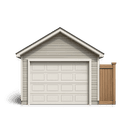
Other Structures
Detached structures on your property, such as a fence, shed, detached garage, or gazebo. Usually set at about 10 percent of your dwelling limit [2].

Personal Property
Your belongings, furniture, clothing, electronics, and appliances, generally written at 50 to 70 percent of your dwelling limit [2]. High-value items like jewelry and art carry special limits.

Additional Living Expenses
Also called loss of use. Pays your added living costs, hotel stays, meals, and a temporary rental, while a covered loss makes your home uninhabitable. Usually set at about 20 percent of your dwelling limit.

Liability
Covers you if someone is injured on your property, or you damage someone else's property, and you are found responsible. The standard $100,000 limit [2] is often raised to $300,000 or $500,000.

Medical Payments
Pays small medical bills, commonly $1,000 to $5,000, if a guest is hurt at your home regardless of fault, without a formal liability claim.
Homeowners Insurance Cost in Wichita
Average Cost in Kansas
$120 - $300
per month
In Kansas, homeowners insurance premiums typically run $120 - $300 per month, which tends to run 17% above the national range of $110 - $250 per month.
- Home replacement cost, age, and construction type
- Roof age, material, and condition
- ZIP code and local weather risk (wind, hail, wildfire, hurricane)
- Coverage limits and endorsements
- All-peril and percentage wind/hail deductibles
- Claims history and insurance score where allowed
Typical range for many standard homeowners profiles; lower-risk homes fall below it and coastal, wildfire, or older-roof homes can run well above. Final pricing depends on property details, location, underwriting, and selected coverage.
Prices shown are general estimates, not guaranteed rates or quotes. Your actual premium will depend on the insurer, coverage selected, personal details, location, claims history, and other underwriting factors. Learn about our pricing methodology.
Homeowners premiums in Kansas vary widely because the quote is built from the house, the location, and the way the policy is structured. Many homes see premiums from $120 to $300 per month, depending on the home's rebuild profile, roof age and material, prior claims, deductible choice, and whether the carrier sees elevated wind or hail exposure at that address. Well below that range, check whether the dwelling limit or roof settlement language has been trimmed. Well above it, look at roof age, prior claims, or wind and hail deductibles as likely drivers.
The most important pricing inputs are usually the dwelling limit, construction details, roof condition, and claims history. If your quote seems high, do not assume the answer is simply to cut coverage. First check whether the rebuild estimate is accurate, whether the roof age is listed correctly, and whether the quote includes endorsements you actually want. Then compare deductible options and roof settlement language side by side.
Kansas weather also makes policy form differences matter. One quote may look cheaper because it applies more restrictive roof loss terms or a different wind and hail deductible. Another may cost more because it includes broader settlement terms or stronger water-related options. That is why a fair comparison uses the same address, occupancy, dwelling limit, and deductible structure across quotes.
If you are shopping after a claim or after several years without reviewing the policy, expect the premium to move for reasons beyond inflation alone. Ask what changed in the underwriting assumptions, what discounts are available for updated roofing or bundled policies, and which coverage choices are driving the price.
What Makes Wichita Different
Service-market depth is the main local difference. Sedgwick County supports 12,562 business establishments, giving you a broad base of repair vendors, contractors, and temporary housing options to tap after a loss. The largest establishment shares are health care and social assistance at 13.8%, retail trade at 12.9%, and accommodation and food services at 9.8%. That mix means you have real options for hotels, meals, and supplies if a claim displaces you, not just a longer list of contractors.
What that changes is how quickly housing, contractor schedules, and temporary living arrangements can become part of a claim decision. When vendors are plentiful, documentation and clear loss-of-use terms matter even more because the work moves fast and you want your policy keeping pace. If your household depends on staying near work, school, or care networks, those details matter more than they might in a thinner market.
That same vendor depth is a good reason to look hard at personal property limits. A house with modest market value can still contain electronics, tools, jewelry, and furnishings that exceed default sublimits unless you schedule or endorse them properly.
Our Recommendation for Wichita
Your rebuild cost and your sale price are two different numbers, and the one that matters at claim time is the first. Wichita's median home value is $179,500, so test your dwelling limit against reconstruction scope, roof type, attached and detached structures, and any updates you have made over time. Read the deductible section closely, because separate wind or hail deductibles, percentage deductibles, and roof settlement terms can change your out-of-pocket cost more than a small premium difference.
Think through what is hardest to replace and whether default limits fall short. Those items often need scheduled coverage or higher sublimits. If your household budget is tight, pressure-test the policy against income reality. Wichita's median household income is $63,072, and a claim that forces temporary housing or a large deductible can strain cash flow quickly. Ask for quote options that lay out your choices clearly so you can weigh tradeoffs before committing.
Get Homeowners Insurance in Wichita
Enter your ZIP code to compare homeowners insurance rates from carriers in Wichita, KS.
Home insurance starting at $50/mo
FAQ
Frequently Asked Questions
Your declarations page deserves a review against reconstruction details, detached structures, and upgrades rather than a past purchase number alone. Rebuild costs track labor and materials, not what a buyer last paid for the house.
Roof loss settlement, wind or hail deductibles, water backup options, and additional living expenses tend to drive whether a claim goes smoothly or becomes a financial strain, especially if repairs force you out of the home. Pull those terms into the open before storm season, not after.
A broad vendor base means documentation, contractor estimates, and clear loss-of-use terms are worth reviewing before you bind coverage. The faster work can start, the faster your policy terms come into play.
Yes, many Wichita households should. Standard policies can limit payouts for jewelry, firearms, collectibles, and business property kept at home, so a quick inventory helps you decide whether scheduled personal property or higher sublimits make sense.
Test each deductible option against real household cash flow, not just premium savings. With median household income at $63,072, it is smart to compare several deductible choices and ask how each one would apply to roof or water claims.
Kansas policies can differ a lot on wind and hail, especially around deductibles and how roof losses are settled. Before you buy, compare the same address and limits across quotes and ask for the roof terms in writing, not just the premium summary.
Kansas homeowners should usually update the policy after a roof replacement because roof age and material can affect underwriting, premium, and claim settlement terms. Send the completion details before renewal so the next quote reflects the home's current condition.
Kansas buyers can verify licensing and consumer information through the state insurance regulator before they buy. Use that step before binding coverage so you know the insurer or producer is properly authorized and you have a place to start if questions come up later.
Sources
- 1.U.S. Census Bureau, County Business Patterns, Sedgwick County(Sedgwick County has 12,562 business establishments.; Sedgwick County's leading business sectors by establishment share are health care and social assistance 13.8%, retail trade 12.9%, and accommodation and food services 9.8%.)
- 2.U.S. Census Bureau, ACS 5-Year Estimates, table B25077(Wichita median home value is $179,500.)
- 3.U.S. Census Bureau, ACS 5-Year Estimates, table B19013(Wichita median household income is $63,072.)
Updated July 16, 2026