







































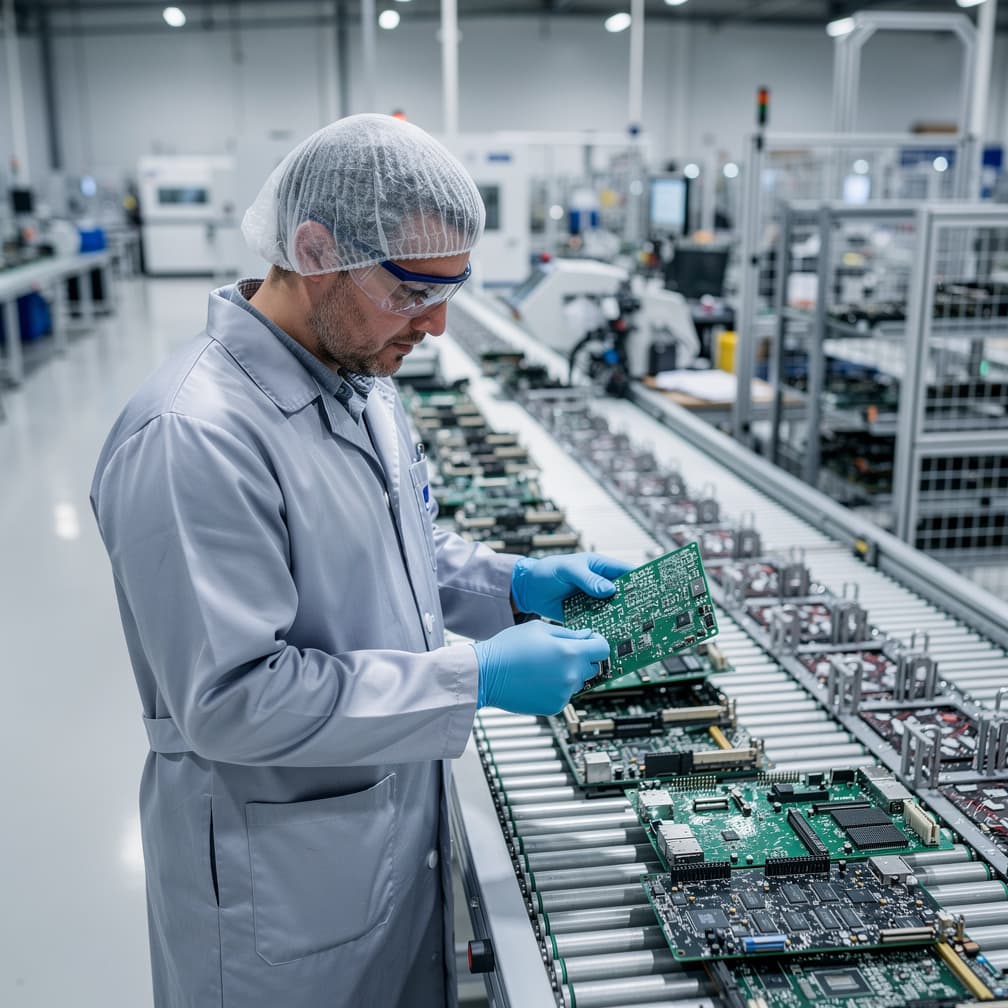

Budget conversations usually start at the wrong end, with owners asking what a policy costs before they know what a customer contract obligates them to carry. Commercial Property for a plant holding ovens, testers, and stocked component reels commonly runs from $65 a month at the small end and rises fast with building value. Electronics manufacturer insurance in Bowling Green prices off what sits inside the building far more than the square footage of it. A pick-and-place machine and a rack of burn-in chambers push the equipment schedule higher than your floor plan suggests. Carriers in Kentucky weigh those values differently, which is why one equipment list can return quotes that are nowhere near each other. Build that list once, carefully, then send it everywhere.
What Makes Bowling Green Different
Repair vendors are scarce in thin markets, and that scarcity shows up in downtime, not premium. A reflow oven or an automated tester waits for whoever is qualified to touch it. If your Bowling Green plant is a long drive from that technician, the wait stretches the whole loss. Insurance rarely pays for the calendar; it pays for damage and, sometimes, for the income lost. The waiting period on income coverage is where that distinction bites a small manufacturer hardest. Ask how it gets measured, in days or in hours, before you accept a Kentucky quote. Also ask whether a rented replacement machine counts against the loss or offsets it entirely. A rental may not exist within a reasonable drive, which is exactly why the answer matters.
Local Risk Factors in Bowling Green
Before a storm week, photograph your equipment schedule against the floor: machines, serial plates, and the racks holding finished goods. Claims move faster when the file existed before the damage did. Commercial Property may respond to storm damage, though what it returns depends on the values you supplied at quote time rather than the values you wish you had supplied. An automated placement machine insured at auction price is a machine you replace out of pocket. Update the schedule every year for your Bowling Green plant, and confirm with a Kentucky carrier that replacement cost, not actual cash value, is what the wording says.
What Coverage Does an Electronics Manufacturer in Bowling Green Need?
General Liability
Buyers and landlords ask for this one by name, and it is the certificate they want on file before an order moves. It is built around bodily injury and property damage to somebody else, including damage a shipped board does to the machine around it. What it generally will not do is replace your own defective part.
Example: A control board fails inside a customer's packaging line, taking out a drive and a day of their output. The damage to their equipment may fall to this line, while the board itself stays yours.
Commercial Property
Ovens, testers, placement machines, component stock, and finished goods are the plant, and their combined value usually dwarfs the walls around them. This line can help with sudden damage to that property from fire, wind, or a burst pipe. Flood is typically excluded and priced separately, and wear on an aging machine is a maintenance cost rather than a claim.
Example: A roof section peels in a storm and rain finds the rack of finished units underneath. The stock ruined that night is generally what a property claim is built to address, subject to your deductible.
Workers Compensation
Rules on who must carry it vary by state, and a buyer can demand proof before letting your technician onto its site. It is generally what answers for medical treatment and lost wages after a bench injury, and it is rated per $100 of payroll. Class codes by task, rather than headcount, drive what you pay.
Example: A technician reaches across a hot plate and a burn keeps her off the line for two weeks. Her treatment and the wages she misses are usually where this coverage does its work.
Tools & Equipment (Inland Marine)
A policy written for a described location generally stops at your door, which is the gap this line is meant to close. It commonly follows tooling, test gear, and stock that travels to a contract assembler or a customer site. Wear and tear and mysterious disappearance tend to be treated differently, so ask how the wording handles a missing reel.
Example: Test fixtures shipped to a Bowling Green customer for a site install never come off the truck at the far end. Property in transit is the kind of loss this line commonly contemplates.
Cyber Liability
Your design files, test programs, and customer records are as much plant as the reflow oven, though a property policy answers for the server rather than for what lives on it. This line can help with breach response, notification duties, and income lost while a locked line sits. It cannot move a delivery date your supply agreement already fixed.
Example: Ransomware locks the server holding every test program, and the line stops with parts staged and orders waiting. Response costs and the output you lose may sit within reach of this coverage.
How Much Does Electronics Manufacturer Insurance Cost in Bowling Green?
Electronics Manufacturer Insurance is a bundle of separate policies, priced separately. The ranges below are typical figures for Bowling Green for each line, except workers compensation, which is rated per $100 of payroll; a quote prices each one against your own operations.
| Coverage | Typical range | What moves your price |
|---|---|---|
| General Liability Insurance | $120 - $450 per month | Industry and risk classification, annual revenue, number of employees |
| Commercial Property Insurance | $170 - $575 per month | Building value and construction type, roof age and condition, fire protection class |
| Workers Compensation Insurance | $0.75 - $2.74 per $100 of payroll | Employee classification codes, total annual payroll, experience modification rate |
| Inland Marine Insurance | $35 - $170 per month | Total insured value of the scheduled property, type and age of the equipment, where it is stored and how far it travels |
| Cyber Liability Insurance | $65 - $250 per month | Records held and how sensitive they are, annual revenue and industry, multi-factor authentication and backup practices |
Prices shown are general estimates, not guaranteed rates or quotes. Your actual premium will depend on the insurer, coverage selected, business details, location, claims history, and other underwriting factors. Learn about our pricing methodology.
What Are the Insurance Requirements for an Electronics Manufacturer in Bowling Green?
Workers' comp is generally required once you have your first employee. Kentucky generally requires employers to carry workers' compensation at that point. Common exemptions include sole proprietors, partners, and members of LLCs. Confirm current thresholds with your state's workers' compensation agency before you hire.
Flood damage is typically excluded from standard policies. Standard commercial property and builders-risk-type policies typically exclude flood damage. Flood exposure varies address by address, so check your premises in FEMA's Flood Map Service Center before deciding; if you sit in a mapped flood zone, a separate policy through the National Flood Insurance Program is the usual starting point.
Where to verify licensing and coverage rules. The Kentucky Department of Insurance publishes consumer guidance and current insurance requirements for Kentucky businesses. When a contract or lease demands specific wording, the Kentucky Department of Insurance's guidance is the authoritative place to check.
Get Your Electronics Manufacturer Quote in Bowling Green
Compare rates from multiple carriers. Free quotes, no obligation.
Operating in Bowling Green
- Field technicians who install or service units at a customer plant carry a different injury exposure than a bench assembler, and one blended payroll code hides that difference from the quote.
- When a customer in Bowling Green claims your board took down their equipment, the demand letter usually arrives long after the warranty conversation ended and the invoice was paid.
- Finished goods carry your labor and margin inside them, so a rack ruined by a roof leak is worth far more than the parts that went into it. Tell a carrier how you value that inventory before a loss, not during one.
- Export orders send your units somewhere your policy may never have contemplated, and the territory wording is the single sentence deciding whether a claim out there stays yours alone.
How to Buy: Advice for Bowling Green Owners
Request your loss runs from your current carrier before you shop, and read them yourself. They are the story an underwriter reads first, and errors on them are common: a closed claim showing open, a reserve nobody ever adjusted down. Getting a stale reserve corrected can move a Workers Compensation renewal further than any conversation about price. While you have them out, note what happened and what changed afterward, in two sentences per claim. Underwriters price the pattern, and a documented fix breaks the pattern. General Liability rates respond to the same story. Check the Kentucky Department of Insurance's guidance before deciding how far back to look. Then compare quotes from participating carriers in Kentucky with a clean file rather than a defensive one.
FAQ
Electronics Manufacturer Insurance in Bowling Green: FAQ
Not always under your building policy, which is generally written for property at a described location. Inland Marine is the line usually asked about for tooling, test gear, and stock that travels to another facility or a customer site. Confirm whether the wording reaches property in someone else's care, and ask what a carrier in Kentucky expects as documentation if it goes missing there.
Usually, by endorsement, and buyers ask for it constantly. What matters is the wording: whether it reaches completed operations, whether it names subsidiaries, and whether the entity spelling matches the contract exactly. Manufacturers need the completed operations piece more than most businesses do, because your exposure really begins after the unit ships. A certificate that misses that line tends to come back rejected.
The deductible comes off your side of the loss, every time. If a rack of finished units is destroyed, you fund that amount before anything else moves. Higher deductibles lower premium, which only helps if your account can absorb the number during a bad week. On lines with modest limits, a low deductible often costs little, so the honest answer differs by line.
Because end use drives the size of a product claim. A board inside a consumer device and the same board inside industrial machinery cause different damage when they fail, and underwriters price that difference. An application that leaves the industrial accounts off buys a policy that may not answer when one of them calls. Carriers in Kentucky weigh those splits differently, so honest numbers are worth more than flattering ones.
Yes, and quickly. Accounts payable systems check the expiration date automatically, so an expired certificate on a buyer's file can hold a payment run even while your policy is current and paid. Send the new one the week it issues, to every buyer holding the old copy. Keeping that distribution list current is unglamorous work, and it protects cash flow more directly than most coverage decisions do.
Their gap becomes your exposure. When a customer blames a unit that several hands built, a thin vendor limit runs out before your share of the blame does, and the rest lands on your policy. Collect certificates from contract assemblers and calibration vendors, then re-request them at renewal, because nobody tells you when a vendor stops paying premium. A Bowling Green shop can check those dates in ten minutes.
Sources
- 1.Kentucky Department of Insurance(Kentucky Department of Insurance publishes consumer guidance for insurance buyers.)
- 2.FEMA / FloodSmart(Flood coverage is typically purchased separately; FEMA administers the National Flood Insurance Program.)


