Updated July 16, 2026

Car Insurance in Bowling Green
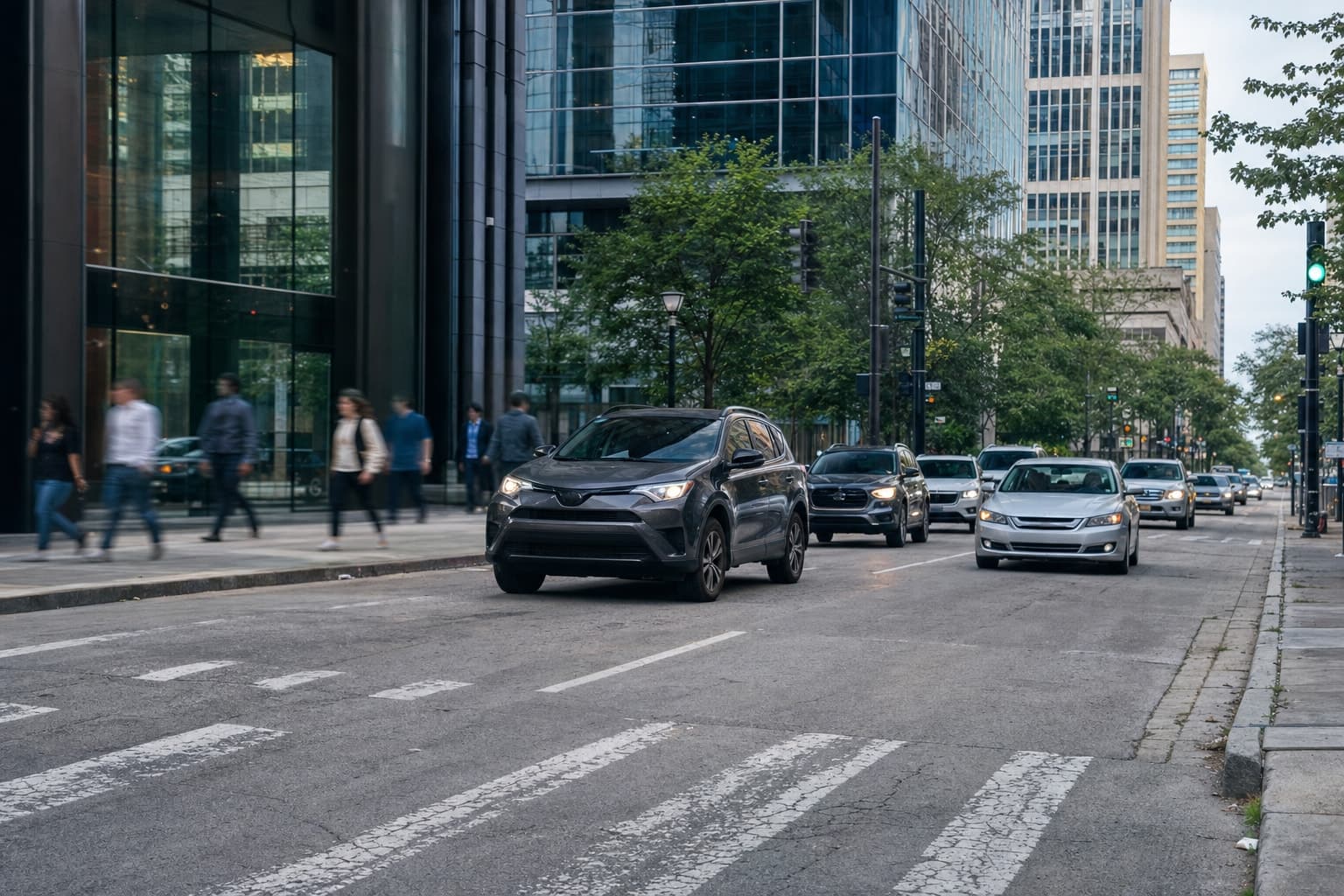
Your week likely mixes short in-town errands, school pickups, apartment parking, and repeated runs along the roads that serve shoppers, patients, and service workers across the local trade area. Warren County supports 2,992 business establishments, so your car is more likely to encounter tight parking, delivery traffic, and stop-and-go congestion than it would in a purely residential area. If your routine includes crowded commercial parking, frequent stop-and-go turns, or multiple drivers in one household, ask for quotes that break down each coverage type separately so you can compare them on their own merits. That way you can see where a lower premium also means more out-of-pocket risk after a claim.
Kentucky has a high climate risk rating. Top hazards: Tornado (High), Flooding (Very High), Severe Storm (High), Landslide (Moderate). The state's expected annual loss from natural hazards is $980M, which influences car insurance premiums and may affect coverage availability in high-risk areas.
What Car Insurance Covers
Liability coverage can help pay for injuries or damage you cause to others in an auto accident, so comparing limits carefully is one of the most important steps you can take. Collision coverage helps with repairs to your own car after a crash. Comprehensive coverage applies to non-collision losses such as theft, hail, tornado damage, and other weather-related events that matter in a state with high severe-storm and tornado exposure. Uninsured motorist coverage is especially relevant here because more than one in eight Kentucky drivers carries no insurance, which means some drivers on the road may not carry enough protection to pay for losses they cause. Medical payments coverage can help with medical bills tied to a crash, and rental reimbursement coverage can help keep you mobile while your vehicle is being repaired.
Coverage Included

Liability
Can help pay for injuries and property damage you cause to others in an accident, coverage most states require drivers to carry.
Collision
Can help pay to repair or replace your car after a crash with another vehicle or object, regardless of fault.

Comprehensive
Typically covers damage to your car from events other than collisions, such as theft, hail, fire, flooding, or hitting an animal.

Uninsured Motorist
May pay for your injuries and, in some states, car damage when an at-fault driver has no insurance or too little.

Medical Payments
Can help cover medical bills for you and your passengers after an accident, no matter who was at fault.
Rental Reimbursement
May pay for a rental car while your vehicle is in the shop for repairs after a covered claim.
Car Insurance Cost in Bowling Green
Average Cost in Kentucky
$85 - $230
per month
In Kentucky, car insurance premiums typically run $85 - $230 per month, which tends to run 7% below the national range of $110 - $230 per month.
- Driving record and age
- Vehicle make, model, and year
- Location and commute distance
- Credit-based insurance score
- Coverage limits and deductibles
Contact CPK Insurance for a personalized quote.
Prices shown are general estimates, not guaranteed rates or quotes. Your actual premium will depend on the insurer, coverage selected, personal details, location, claims history, and other underwriting factors. Learn about our pricing methodology.
The average car insurance cost in Kentucky is about $85 to $230 per month, and the state's premium index of 94 means rates run roughly 6 percent below the national average, which can work in your favor when you shop. Coverage limits and deductibles are major pricing levers, and a higher deductible can lower the premium while shifting more cost to you if you file a claim. Kentucky's 2023 auto accident data shows 138,000 crashes, which means a single serious accident can cost more than some drivers expect to pay out of pocket. Location is another key factor, so drivers in higher-traffic areas like Louisville and Lexington may see different quotes than drivers in smaller communities. Severe-storm exposure and tornado risk can also influence pricing, particularly for comprehensive coverage. The market is competitive, with 340 active insurance companies, so shopping more than one quote matters.
Industries & Insurance Needs in Bowling Green
Warren County's business mix changes how many local drivers use their cars during the week. Retail trade accounts for 16.9% of county establishments, health care and social assistance 13.8%, and accommodation and food services 10.1%, so many households drive on schedules built around shopping trips, medical visits, restaurant shifts, and weekend traffic rather than a single quiet commute pattern. That matters for insurance because frequent short trips, evening driving, and packed commercial lots can raise the practical value of coverages people sometimes trim first, such as collision, comprehensive, roadside assistance, and rental reimbursement. It also matters if more than one person in your household uses the same vehicle for different purposes. A quote review should match who drives, when they drive, and where the car is usually parked. If your routine changes by season or shift, ask to review driver assignments, annual mileage, and vehicle use before renewal instead of letting last year's assumptions carry forward.
What Affects Car Insurance Rates in Bowling Green
Bowling Green households often have to make coverage decisions with little room for a deductible surprise. The city's median household income is $48,419, so a quote that looks cheaper upfront can still be the wrong fit if it leaves you absorbing a repair bill, rental car cost, or a large deductible after a loss. That does not mean every driver needs the same package. It means you should compare the tradeoff between premium and retained risk line by line. If your car is financed, heavily used for work and family errands, or difficult to replace quickly, review collision and comprehensive deductibles alongside liability limits instead of shopping on monthly price alone. If you own an older vehicle outright, the better move may be testing several deductible combinations and deciding whether physical damage coverage still matches the car's value. The point is to buy around your budget tolerance, not just the first low number.
What Makes Bowling Green Different
Many vehicles here are not used for one simple home-to-office commute. Instead, a single car might handle errands, school runs, shift work, and appointments across the same week, which raises a practical question about whether your policy still fits a vehicle exposed to more backing, parking, and multi-driver situations than a low-mileage suburban car. The real issue is whether your coverage keeps up with how the car actually gets used, not just whether you meet Kentucky minimums.
Some households find their weak point at claim time, when liability limits that looked adequate suddenly fall short of a serious injury settlement. Others discover that a deductible which seemed reasonable on paper is hard to absorb in real life. The practical move is to look at how the vehicle is used day to day, who has regular access to it, whether it is financed or owned outright, and how long you could go without it after a claim.
Our Recommendation for Bowling Green
Start your review with usage, not price. List every regular driver, where the car is parked overnight, whether it is used for commuting, school, or rotating errands, and how quickly you would need a rental after a covered loss. Then compare at least two liability limit options and more than one deductible structure so you can see the real tradeoff between premium savings and what you would pay out of pocket.
When your household shares one vehicle, confirm that all regular drivers are disclosed and that the insurer understands the car's actual use. Parking in apartment or commercial lots most days deserves extra attention to your physical damage deductibles, since even minor lot incidents can become budget strain when the deductible is set too high. If you are replacing a policy, do not assume last year's choices still fit. A quote review is most useful when you bring your current declarations page, lienholder information if any, and a realistic estimate of weekly driving. Get your matched quote from CPK Insurance today.
Get Car Insurance in Bowling Green
Enter your ZIP code to compare car insurance rates from carriers in Bowling Green, KY.
Car insurance starting at $59/mo
FAQ
Frequently Asked Questions
Review liability limits, deductibles, and who is listed as a regular driver before comparing price. Local routines often mix errands, school trips, and commercial parking, so the quote needs to match how the car is actually used.
Households that share one vehicle should confirm every regular driver is disclosed and rated correctly. A policy built around one primary commuter can miss how the vehicle is really used during the week, which matters at claim time.
Warren County has 2,992 business establishments, so your daily routes likely pass through higher-traffic commercial zones where fender benders and lot damage are more common. That traffic pattern makes it smart to weigh physical damage coverage and rental reimbursement alongside your liability limits rather than focusing only on the state minimum.
Bowling Green's median household income is $48,419, so a high deductible could force you to delay repairs or put them on a credit card if cash is tight after an accident. A lower premium can cost more overall if the deductible would strain your budget when repairs are needed.
Update a policy when mileage, parking, or household drivers change, not just at renewal. Shift work, shared vehicles, and changing routines can all affect whether your current limits and deductibles still make sense.
Liability coverage can help pay for injuries or damage you cause to others. Collision coverage helps with repairs to your own car after a crash, and comprehensive coverage applies to non-collision losses like storm damage. Medical payments coverage can help with medical bills tied to a crash, and rental reimbursement can help keep you on the road while your vehicle is being repaired.
Kentucky requires drivers to carry minimum liability limits set by the Kentucky Department of Insurance. You must meet those minimums to drive legally, but you can choose higher limits or add optional coverages based on your needs.
The average range in Kentucky is about $85 to $230 per month. Your final premium depends on coverage limits, deductibles, claims history, location, and policy endorsements, so a driver in Frankfort may see a different quote than a driver in Louisville or a rural county.
Sources
- 1.U.S. Census Bureau, County Business Patterns, Warren County(Warren County supports 2,992 business establishments, so daily traffic is shaped by a steady mix of employee commutes, customer trips, deliveries, and shift changes rather than only residential driving.; Retail trade accounts for 16.9% of county establishments, health care and social assistance 13.8%, and accommodation and food services 10.1%, so many households drive on schedules built around shopping trips, medical visits, restaurant shifts, and weekend traffic rather than a single quiet commute pattern.)
- 2.U.S. Census Bureau, ACS 5-Year Estimates, table B19013(The city's median household income is $48,419, so a quote that looks cheaper upfront can still be the wrong fit if it leaves you absorbing a repair bill, rental car cost, or a large deductible after a loss.)
Updated July 16, 2026