







































Updated July 5, 2026

Dealer Open Lot Insurance in Bowling Green
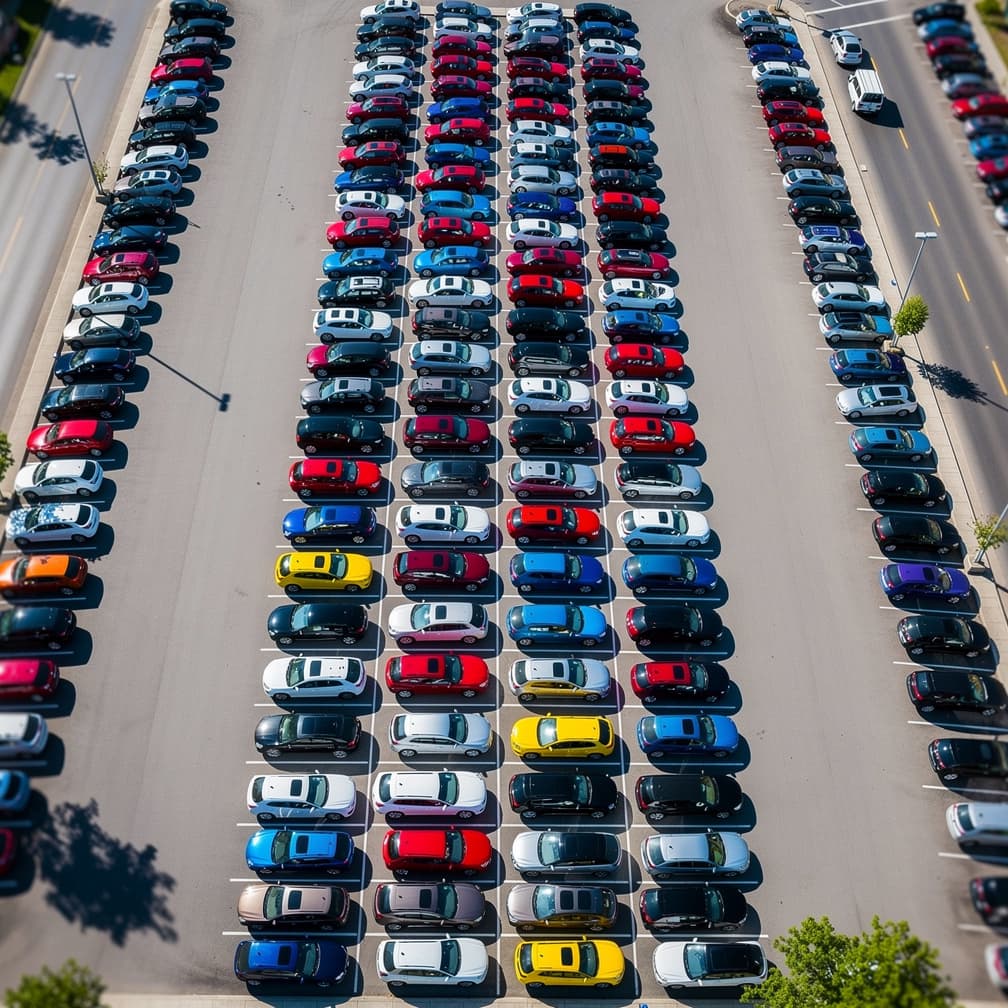
Warren County supports 2,992 business establishments, so local buyers and lenders are used to seeing organized proof of coverage before inventory is financed, moved, or displayed for sale. That matters for dealer open lot insurance in Bowling Green because your lot is competing in a busy commercial market where delayed certificates, unclear location schedules, or loose inventory reporting can slow a deal. If you keep units on the front line, shift vehicles to overflow space during promotions, or rotate higher value inventory to match weekend traffic, your policy review should follow that movement. A local quote is usually stronger when it starts with how many sale units sit outside overnight, which addresses are used for storage, and how often vehicles move between display, detail, service, and temporary overflow areas. The goal is not a generic lot count. It is a schedule and reporting process that matches how your inventory actually turns, so you can ask for terms built around your real exposure instead of correcting avoidable gaps after a loss.
Dealer Open Lot Insurance Risk Factors in Bowling Green
Local lot exposure here is less about a unique city-only peril and more about how outdoor inventory is arranged and supervised in an active commercial corridor. If your operation uses a main frontage lot plus side or rear storage, the practical issue is whether every location, fence line, lighting condition, and after-hours vehicle concentration is reflected the same way in your application, inventory reports, and endorsements. That becomes more important when units are packed tighter during sales events or when recent trades sit outside before reconditioning. For this market, a useful review usually focuses on where keys are controlled, how often inventory counts are reconciled to the lot, whether overflow storage is temporary or routine, and which vehicles spend the most time exposed outdoors. Those details help you request terms that fit your actual layout instead of assuming one neat rectangular lot with the same exposure in every row.
Kentucky has a high climate risk rating. Top hazards: Tornado (High), Flooding (Very High), Severe Storm (High), Landslide (Moderate). The state's expected annual loss from natural hazards is $980M, which influences dealer open lot insurance premiums and may affect coverage availability in high-risk areas.
What Dealer Open Lot Insurance Covers
In Kentucky, the practical review starts with where your inventory sits during the week, not with a generic coverage checklist. Some dealers keep most units on a paved front line, then shift overflow inventory to a side yard, a secondary parcel, or a fenced storage area behind the shop. Others rotate vehicles through detail, body repair, emissions-related service work, or transport between rooftops. Each of those movement patterns changes what your policy needs to address.
Ask first how the policy treats vehicles at every location where you store inventory for sale. If you use more than one address, or if overflow storage changes with season and volume, make sure each location is disclosed the way the underwriter expects. A claim gets harder when the carrier sees vehicles stored somewhere that was never scheduled or clearly described.
Next, review movement exposures that are easy to overlook in daily operations. That includes units being repositioned on the lot, sent to a nearby vendor, taken for test drives, or held temporarily offsite while space is tight. You also want clear internal procedures for key control, lot checks, and documenting when a vehicle changes status from front-line inventory to service, transport, or sold pending delivery.
Kentucky weather should shape your deductible discussion and your catastrophe planning. If you know certain rows flood first, certain fences fail first, or certain storage areas are harder to monitor after-hours, bring that into the quote process.
Coverage Included

Weather Damage
Covers hail, wind, flood, and storm damage to lot inventory.
Theft Protection
Covers vehicles stolen from your lot.
Fire Damage
Covers fire and explosion damage to inventory vehicles.

Vandalism
Covers intentional damage to vehicles on your lot.
Test Drive Coverage
Covers vehicles during customer and employee test drives.
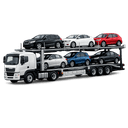
Transit Coverage
Covers vehicles being moved between lot locations.
Industries & Insurance Needs in Bowling Green
Warren County's business mix leans toward retail trade at 16.9%, health care and social assistance at 13.8%, and accommodation and food services at 10.1%, so a local dealership often serves buyers whose transportation needs are tied to shift work, commuting, and household budget discipline. For dealer open lot coverage, that matters less as a broad economic talking point and more as an inventory planning issue. If your sales pattern favors practical daily-driver units, quick-turn trades, or heavier weekend traffic, your outdoor count can change faster than a static annual application suggests. That is a reason to review how often your carrier expects inventory reporting, whether newly acquired units are captured promptly, and how temporary overflow is documented during busier periods. In this market, the better question is not just how many vehicles you own for resale, but how quickly that count and value can change from one reporting cycle to the next.
What Affects Dealer Open Lot Rates in Bowling Green
Bowling Green's median household income is $48,419, so many dealers are selling into a value-conscious market where inventory mix and turn strategy can change quickly. That does not create a fixed premium by itself, but it does affect what you should bring to a quote request. If your lot leans on older used units, lower price-point vehicles, or frequent trade-ins to meet local demand, ask the agent to review how average unit values, peak inventory counts, and seasonal swings are being reported. A policy built around stale or overly broad assumptions can leave you paying for the wrong exposure, or carrying limits that do not track your actual inventory at the times your lot is fullest. The practical move is to quote from current inventory values and your real high-water count, then revisit those figures before major buying periods.
What Makes Bowling Green Different
Market density is the main difference here. With 2,992 establishments in Warren County, a dealership is operating in a commercial environment where financing partners, landlords, vendors, and neighboring businesses tend to expect cleaner documentation and faster proof that your inventory exposure is properly scheduled. For dealer open lot coverage, that changes the buying calculus from simply carrying a policy to maintaining one that matches how your lot actually functions week to week. If you add overflow space, hold fresh trades outside before they are front-line ready, or move units between addresses, the paperwork discipline matters almost as much as the physical lot itself. In a smaller, less active market, informal processes sometimes linger. Here, they are more likely to create friction during financing reviews, certificate requests, or claim handling. The practical takeaway is to treat location schedules, inventory values, and after-hours storage practices as operating controls, not just renewal paperwork.
Our Recommendation for Bowling Green
Start your review with a current list of every address where sale units can sit, even temporarily, then match that list against your policy schedule and recent inventory reports. If your lot uses overflow space during promotions or after auctions, ask whether those locations and movements are documented clearly enough for a claim review. Next, separate average inventory from peak inventory. A quote built only on a normal week can miss the periods when your outdoor count is highest. It also helps to group vehicles by value band so you can see whether limits still make sense after a buying push or a run of higher value trades. Finally, ask how newly acquired units are picked up in reporting and how often values should be updated. Those questions are especially useful in a market where inventory can turn quickly and documentation standards are not casual. Bring a recent inventory snapshot, your address list, and your storage routine before requesting terms.
Get Dealer Open Lot Insurance in Bowling Green
Enter your ZIP code to compare dealer open lot insurance rates from carriers in Bowling Green, KY.
Business insurance starting at $25/mo
FAQ
Frequently Asked Questions
Bowling Green buyers should prepare a current inventory list, every storage address, peak and average outdoor counts, and a short description of how units move between display and overflow. In a county with 2,992 establishments, organized documentation helps keep financing and coverage reviews moving.
Bowling Green market conditions can influence inventory mix. With median household income at $48,419, many dealers lean toward value-focused units, so you should review average vehicle values, peak counts, and trade-in swings instead of relying on a flat limit all year.
Warren County commercial density matters because 2,992 establishments create a more documentation-driven environment. That means your location schedule, proof of coverage, and inventory reporting should be ready for lender, landlord, or claim scrutiny before a problem forces corrections.
Bowling Green dealers should review values whenever buying patterns, trade volume, or overflow usage changes materially. County business mix, including retail trade at 16.9%, can support faster inventory movement, so stale reports are more likely to miss your real exposure.
Bowling Green area dealerships operate in a county where retail trade is 16.9%, health care and social assistance is 13.8%, and accommodation and food services is 10.1%. That mix can support varied buyer traffic, so reporting should track quick inventory changes, not just annual averages.
You should list every location where sale inventory is regularly stored, including overflow parcels and offsite areas.
Weather should shape how you review deductibles, lot layout, drainage, and where high-value units are parked. If certain rows or parcels are more exposed, bring that into the quote so the policy matches your actual catastrophe exposure.
Your policy may cover offsite inventory, but the address and storage setup need to be disclosed clearly.
Sources
- 1.U.S. Census Bureau, County Business Patterns, Warren County(Warren County supports 2,992 business establishments.; Warren County's business mix leans toward retail trade at 16.9%, health care and social assistance at 13.8%, and accommodation and food services at 10.1%.)
- 2.U.S. Census Bureau, ACS 5-Year Estimates, table B19013(Bowling Green's median household income is $48,419.)
Updated July 5, 2026





