







































Updated July 16, 2026

Inland Marine Insurance in Bowling Green
Property managers, lenders, venue operators, and general contractors in Bowling Green often want proof that your mobile tools, installation materials, or customer equipment are insured before they hand over keys or approve a draw. For many businesses, satisfying that request means showing limits that match what actually rides in your truck, sits in a trailer overnight, or waits at a temporary job site between deliveries. If you are comparing inland marine insurance in Bowling Green, the local question is less about the form itself and more about how often your property changes hands, locations, and custody during a normal week. Warren County has 2,992 business establishments, which means you are usually working around other companies that expect clean certificates and clear responsibility for property in transit or off premises. Reviewing your equipment list and contract wording before a job starts can prevent a costly surprise.
Inland Marine Insurance Risk Factors in Bowling Green
Bowling Green's top risk factors include Tornado damage, Hail damage, Severe storm damage, and Wind damage.
Kentucky has a high climate risk rating. Top hazards: Tornado (High), Flooding (Very High), Severe Storm (High), Landslide (Moderate). The state's expected annual loss from natural hazards is $980M, which influences inland marine insurance premiums and may affect coverage availability in high-risk areas.
What Inland Marine Insurance Covers
Kentucky businesses use inland marine insurance to protect property that moves between locations, sits at job sites, or is temporarily stored away from a fixed premises. That can include tools, equipment, materials, and goods in transit. It can also be written for installation floater coverage when materials are being installed at a customer location, and for builders risk when a project is under construction and the property is exposed before completion. In practice, your policy can help cover property across job sites, warehouse stops, customer locations, and temporary storage arrangements, rather than staying tied to one building address.
Coverage terms still vary by carrier and endorsement, and Kentucky does not add a state-mandated form that automatically fits every business. The Kentucky Department of Insurance regulates the market, so your policy language, limits, deductibles, and scheduled items matter more than a one-size-fits-all assumption. Common covered perils often include theft, damage, and vandalism while property is away from the primary business location, but the exact scope depends on the policy you buy. If your operation uses mobile business property insurance, you should confirm whether the policy is scheduled or blanket, whether offsite storage is included, and whether items at customer premises are treated differently from items in transit. Because Kentucky faces tornado, severe storm, and flooding exposure, businesses should pay close attention to location-based restrictions, temporary storage terms, and any endorsements that narrow protection during weather-related disruptions.
Coverage Included
Tools & Equipment
Can help repair or replace hand tools, power tools, and gear that are stolen or damaged on the job or in transit.

Goods in Transit
May cover products, materials, and merchandise while they are being shipped or hauled between locations in your care.
Contractors Equipment
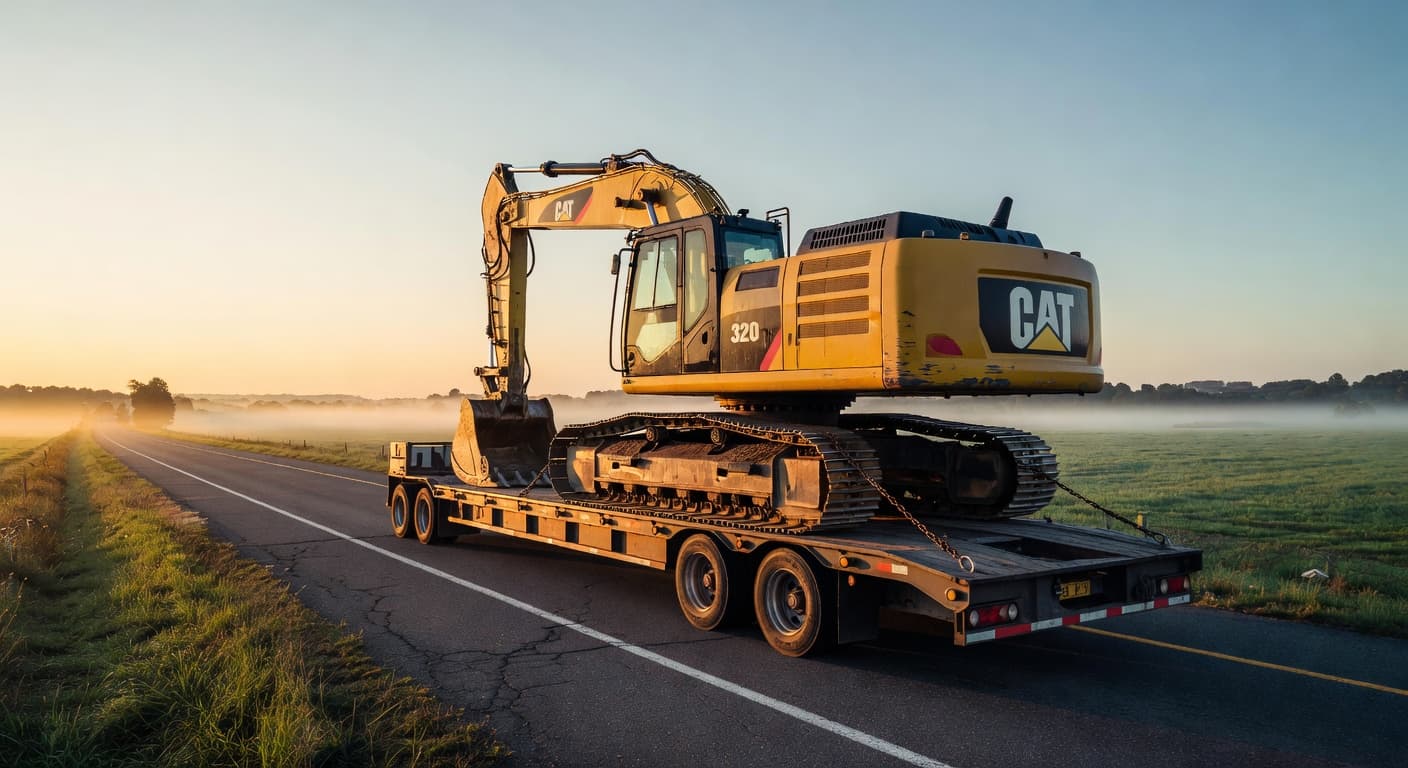
Typically covers heavy machinery like excavators, loaders, and generators against theft or damage at job sites and between them.

Installation Floater
Can help cover materials and fixtures from the moment you buy them until they are installed and accepted at a project.

Builders Risk
May cover a structure under construction, along with materials on site, against damage from fire, wind, theft, and vandalism.
Inland Marine Insurance Cost in Bowling Green
Average Cost in Kentucky
$25 - $90
per month
Businesses in Kentucky typically see inland marine insurance premiums of $25 - $90 per month, which tends to run 4% below the national range of $20 - $100 per month.
- Total insured value of the scheduled property
- Type and age of the equipment
- Where it is stored and how far it travels
- Jobsite security and theft prevention
- Per-item limits and deductibles
- Prior theft and in-transit losses
Contact CPK Insurance for a personalized quote.
Prices shown are general estimates, not guaranteed rates or quotes. Your actual premium will depend on the insurer, coverage selected, business details, location, claims history, and other underwriting factors. Learn about our pricing methodology.
In Kentucky, inland marine insurance cost is shaped by both the state market and the way your property moves. The average premium range runs from $25 to $90 per month, compared with the broader product average of $20 to $100 per month, which reflects a lower-than-national pricing pattern in this state. Where you land depends on how much mobile property you own, how often it travels, and whether it is left at job sites or in temporary storage. That gives you a slight pricing edge, but it does not mean every business will land at the low end.
Kentucky's elevated tornado risk can push pricing higher for businesses with equipment that is frequently exposed on job sites, in open yards, or in temporary storage. Very high flooding risk can also matter if your goods or tools are staged in low-lying areas, near waterways, or in flood-prone counties. Property crime and larceny-theft trends are still relevant, which can affect pricing for tools and equipment when theft exposure is part of the risk. Carrier competition is a real factor here, and that can work in your favor when underwriters are competing for your account. Insurers often price based on how much mobile property you own, how often it travels, and whether it is left at job sites or in temporary storage. If you want a more precise quote, expect underwriters to ask about your trade, travel radius, security practices, and item values before they finalize a rate.
Industries & Insurance Needs in Bowling Green
Warren County's business mix changes where mobile property shows up and who asks for evidence of coverage. Retail trade accounts for 16.9% of county establishments, health care and social assistance 13.8%, and accommodation and food services 10.1%, so a lot of local work involves deliveries, fixture installation, service calls, temporary equipment, and property that moves between a shop, a vehicle, and a client location. For an inland marine buyer, that matters because losses often happen in those handoff points, not just at your main address. If your operation serves stores, clinics, restaurants, or event spaces, ask for wording that matches how property is transported, unloaded, staged, and left temporarily off site. A quote is more useful when your inventory list separates owned equipment, borrowed items, and customer property you take into your care.
What Makes Bowling Green Different
Warren County has 2,992 business establishments, so roughly one in every twelve Kentucky businesses operates here. That density means more local jobs involve another business's lease terms, vendor rules, or subcontract language. It makes certificate readiness and clear treatment of off-premises property more important before work begins and a loss exposes an assumption.
Warren County's mix includes retail trade at 16.9%, health care and social assistance at 13.8%, and accommodation and food services at 10.1%. Those three sectors alone account for roughly four in ten county businesses, so if you serve them, your work likely involves loading docks, temporary staging, or customer property on site. Confirm how your policy treats those situations so your coverage follows the work.
Our Recommendation for Bowling Green
Contract language drives the calculus here. Your decisions often start with someone else asking you to prove responsibility for property away from your premises. More work begins with a certificate request, a lease exhibit, or a subcontract that pushes equipment and materials risk back to you. Before you bind coverage, read those documents carefully. Check whether they refer to your tools, rented equipment, or property in your care. Then line up your policy schedule, limits, and valuation method with the contract language so you are not discovering a gap after a theft, drop, or transit loss.
Map your property across a typical week. Note what stays at your main location, what rides in vehicles, what sits at a job site, and what belongs to someone else while you have it. That exercise usually tells you whether you need scheduled equipment, broader tool coverage, or a form that addresses customer property in your care. If you serve commercial clients, ask for sample certificate language before you buy so your policy can be reviewed against real contract requirements rather than assumptions. Bowling Green buyers should also pay attention to valuation and documentation. Keep serial numbers, photos, purchase records, and current replacement costs for higher value items, especially anything that moves between crews or locations. If your work touches retail, medical, or hospitality accounts, confirm how the policy treats property during loading, unloading, and temporary storage so your quote matches the way jobs are actually performed.
Get Inland Marine Insurance in Bowling Green
Enter your ZIP code to compare inland marine insurance rates from carriers in Bowling Green, KY.
Business insurance starting at $25/mo
FAQ
Frequently Asked Questions
Property managers, lenders, venues, and general contractors are common requesters when your tools, materials, or customer equipment move off premises. Bring the actual contract or certificate requirements into the quote review so limits and covered property match the job and nothing gets missed in translation.
Contractors often find the issue is not the main building, but property in transit, in a trailer, or staged temporarily elsewhere. Review your policy wording for scheduled equipment and tools before relying on a premises-based form that may leave a gap.
Warren County has 2,992 business establishments, so roughly one in every twelve Kentucky businesses operates here. That density means more local jobs involve another business's lease terms, vendor rules, or subcontract language. It makes certificate readiness and clear treatment of off-premises property more important before work begins and a loss exposes an assumption.
Service businesses should list mobile tools, diagnostic equipment, rented items, and any customer property held temporarily. A cleaner schedule helps the quote reflect how property actually moves during service calls and project work rather than guessing at totals.
Warren County's mix includes retail trade at 16.9%, health care and social assistance at 13.8%, and accommodation and food services at 10.1%. Those three sectors alone account for roughly four in ten county businesses, so if you serve them, your work likely involves loading docks, temporary staging, or customer property on site. Confirm how your policy treats those situations so your coverage follows the work.
It can help cover scheduled tools and equipment while they are in transit, at Kentucky job sites, or in temporary storage, but the exact terms depend on the carrier form and limits you choose.
Your policy may help cover those materials away from your fixed premises, but you should confirm whether temporary storage is included and whether the location or duration changes the protection.
Contractors, installers, and other businesses that move expensive portable property across Louisville, Lexington, Bowling Green, or rural job sites should look closely at contractors equipment insurance.
Sources
- 1.U.S. Census Bureau, County Business Patterns, Warren County(Warren County has 2,992 business establishments, so you are often working around other businesses that expect clean certificates and clear responsibility for property in transit or off premises.; Warren County's business mix includes retail trade at 16.9%, health care and social assistance at 13.8%, and accommodation and food services at 10.1%, so a lot of local work involves deliveries, fixture installation, service calls, temporary equipment, and property that moves between a shop, a vehicle, and a client location.)
Updated July 16, 2026





