Updated July 5, 2026

On-Hook Towing Insurance in Bowling Green
Warren County supports 2,992 business establishments, so local towing operators often work in a market where dealerships, repair shops, apartment managers, and roadside customers expect fast dispatch and clean proof of coverage before they hand over a vehicle. That density changes the buying conversation for on-hook towing insurance in Bowling Green. You are not just insuring a truck and a route. You are insuring how often your drivers take custody of customer vehicles, how quickly units turn between calls, and how much documentation a commercial account may want before assigning work. Here, a small delay in certificates, unclear limits, or a mismatch between your actual towing setup and the policy can cost you a referral source. A useful quote review should line up with the vehicles you tow, whether you use wheel-lift or rollback equipment, where units are stored between calls, and how often you handle dealer, shop, or property-management work instead of one-off roadside jobs. If you are comparing options, bring your truck schedule, driver list, service radius, and a clear description of the vehicles you move most often.
On-Hook Towing Insurance Risk Factors in Bowling Green
Bowling Green's top risk factors include Tornado damage, Hail damage, Severe storm damage, and Wind damage.
Kentucky has a high climate risk rating. Top hazards: Tornado (High), Flooding (Very High), Severe Storm (High), Landslide (Moderate). The state's expected annual loss from natural hazards is $980M, which influences on-hook towing insurance premiums and may affect coverage availability in high-risk areas.
What On-Hook Towing Insurance Covers
A claim often starts with a customer saying the bumper was already scraped, the transmission should not have been moved that way, or the wheel was damaged during loading. In practice, you want the policy language checked against the way your drivers document condition, secure vehicles, and transfer possession at the destination.
For your work, pay close attention to the situations that create disagreement fast. Low-clearance garage removals, rural ditch recoveries after rain, apartment complex impounds at night, and dealer or repair-shop transfers where a vehicle may already have prior damage all create different damage narratives. Your quote should be built around the specific jobs each truck handles rather than a simplified description of your business.
You should also check whether your operation regularly moves higher-value pickups, SUVs, work vans, or modified vehicles. A carrier may underwrite those exposures differently because the cost to repair sensors, cameras, body panels, or specialty equipment can escalate quickly after what looks like a minor incident. If your company handles police-directed tows, private property impounds, or recovery work after storms, ask how those assignments are classified and whether any sublimits, exclusions, or documentation expectations apply. State oversight matters here as well. If you are comparing forms, endorsements, or complaint handling expectations, keep your file organized and read the policy wording carefully before binding.
Coverage Included
Collision on Hook
Covers damage to towed vehicles from collisions during transport.
Comprehensive on Hook
Covers theft, fire, and weather damage to vehicles being towed.
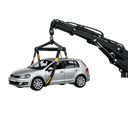
Loading & Unloading
Covers damage during the process of loading and unloading vehicles.
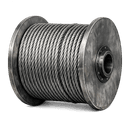
Winching Coverage
Covers damage to vehicles during winching and recovery operations.
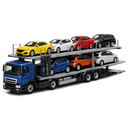
Multiple Vehicle
Covers all vehicles on multi-car carriers and rollback flatbeds.
Industries & Insurance Needs in Bowling Green
Warren County’s business mix matters because the leading establishment sectors are retail trade at 16.9%, health care and social assistance at 13.8%, and accommodation and food services at 10.1%. That mix points to a steady stream of parking-lot incidents, customer lockouts, disabled vehicles near shift changes, and removal requests tied to private property or commercial lots. For an on-hook buyer, that means your exposure may come less from long rural hauls and more from frequent short transfers in tighter, higher-traffic commercial settings where a small loading mistake can still turn into a meaningful claim. If your book includes retail centers, medical offices, restaurants, or hotels, ask for a quote review that matches that pattern of work. It is worth checking whether your limits, deductibles, and covered towing operations fit frequent local pickups, after-hours calls, and jobs where a client expects certificates before adding you to a vendor list.
What Makes Bowling Green Different
Commercial call volume is the difference here. In a market with thousands of county establishments, the underwriting question is often not whether you tow, but how consistently you take custody of vehicles for businesses that expect repeatable procedures. That changes the calculus because repeat commercial work can create more handoffs, more driver-to-driver variation, and more pressure to clear a lot or move a disabled vehicle quickly. If your operation serves apartments, retailers, medical offices, or hospitality properties, the policy review should focus on the exact moment damage could happen: hookup, winching, bed transfer, unloading, or repositioning on private property. It also helps to think about account expectations. A commercial client may ask for certificates, specific limits, or evidence that your equipment schedule is current before they send work your way. The practical move is to buy around your real dispatch pattern, not a generic towing description, and make sure your application matches the jobs you want more of.
Our Recommendation for Bowling Green
Start with your job mix. Separate private-party roadside calls from dealer, repair-shop, apartment, and commercial-property work, because those accounts can change how often you load, unload, and reposition customer vehicles in a normal week. Next, review your equipment schedule carefully. If you run different truck types or occasionally swap units, make sure the quote reflects the trucks and towing methods you actually use, not an older schedule that leaves gaps during a claim review. It is also smart to document where vehicles are picked up most often, how drivers photograph condition before hookup, and who is authorized to move specialty or lower-clearance vehicles. Bowling Green buyers should also think about the customer side of a loss. With median household income at $48,419, a damaged vehicle can create real payment pressure for the owner, so claim handling and deductible choices deserve a close look before you bind coverage. Bring loss runs, truck details, and your target account list when you request a quote.
Get On-Hook Towing Insurance in Bowling Green
Enter your ZIP code to compare on-hook towing insurance rates from carriers in Bowling Green, KY.
Business insurance starting at $25/mo
FAQ
Frequently Asked Questions
Bowling Green area towing companies often face that request because Warren County has 2,992 business establishments, so property managers, shops, and other vendors may want certificates and clear limits before assigning vehicle moves.
Bowling Green area exposure can shift with the county’s business mix. Retail trade, health care and social assistance, and accommodation and food services lead local establishments, so frequent parking-lot pickups and short commercial transfers may deserve closer review.
Bowling Green buyers should bring a current truck schedule, driver list, service radius, loss runs, and a clear breakdown of dealer, shop, apartment, and roadside work. That helps the quote match how vehicles are actually handled here.
Bowling Green operators may want a closer deductible review because local households report median income of $48,419. If a customer vehicle is damaged during a tow, payment timing and claim friction can matter as much as the limit itself.
Impound operators should examine on-hook coverage closely because vehicle condition disputes often start during nighttime removals, tight-access pickups, and storage handoffs. Keep policy wording and claim documentation organized so the quote matches the work you actually perform.
Rural towing quotes are usually shaped by the roads you work, the distance of your tows, the recovery exposure you accept, and the types of vehicles you move. Separate routine roadside calls from heavier recovery work so the insurer can price each exposure more accurately.
Weather can affect on-hook claims because wet pavement, debris, and storm-related calls can complicate loading, securement, and recovery conditions. After a stretch of severe weather, review whether your policy still reflects the types of jobs you are accepting.
Present driver lists, truck schedules, service descriptions, loss history, and a clear photo-and-ticket process. The more specific you are about your actual call mix, the more accurate your quote will be.
Sources
- 1.U.S. Census Bureau, County Business Patterns, Warren County(Warren County supports 2,992 business establishments, so local towing operators often work in a market where dealerships, repair shops, apartment managers, and roadside customers expect fast dispatch and clean proof of coverage before they hand over a vehicle.; Warren County’s business mix matters because the leading establishment sectors are retail trade at 16.9%, health care and social assistance at 13.8%, and accommodation and food services at 10.1%.)
- 2.U.S. Census Bureau, ACS 5-Year Estimates, table B19013(With median household income at $48,419, a damaged vehicle can create real payment pressure for the owner, so claim handling and deductible choices deserve a close look before you bind coverage.)
Updated July 5, 2026