
Updated July 16, 2026

Builders Risk Insurance in Lexington
Right after you line up financing, sign a downtown lease for a tenant build-out, or pull plans together for a custom home, builders risk coverage usually becomes a live issue. Materials get scheduled, draws are tied to construction progress, and more than one party wants its interest protected before work moves. Finishes, mechanical systems, and owner-supplied materials can push project values well past what a rough early budget assumes. With a Lexington median home value of $272,100, even a modest residential build or major renovation can represent a substantial property-in-progress exposure. In practical terms, a kitchen-and-bath remodel or a half-million-dollar custom build is not a small-dollar decision for most owners, and your quote request should reflect the actual completed value, not just the first phase of construction. If you are building for a business occupant, the local mix of office, retail, and service-space work also means many jobs involve tenant improvements, phased access, and owner-contractor coordination. Before binding coverage, review who is responsible for temporary structures, stored materials, and change orders so the policy tracks how the job will actually unfold.
Builders Risk Insurance Risk Factors in Lexington
Lexington's top risk factors include Tornado damage, Hail damage, Severe storm damage, and Wind damage.
Kentucky has a high climate risk rating. Top hazards: Tornado (High), Flooding (Very High), Severe Storm (High), Landslide (Moderate). The state's expected annual loss from natural hazards is $980M, which influences builders risk insurance premiums and may affect coverage availability in high-risk areas.
What Builders Risk Insurance Covers
Your project often needs a closer look at where property sits before installation, how it moves to the site, and when it becomes part of the work. If your job includes owner-furnished materials, long-lead items, or equipment staged off site before delivery, you should ask whether those values need to be scheduled or addressed by endorsement rather than assumed.
Renovation work deserves extra attention. If you are improving an existing structure, the policy language should be reviewed for the new work, existing building exposure, and any gap between what the owner expects and what the form may cover. A school addition, church renovation, or mixed-use rehab can involve occupied premises, phased turnover, and materials stored in more than one place. Those details affect how a claim is evaluated after a loss.
Kentucky weather patterns also make cause-of-loss wording worth reading line by line. Instead of assuming all site damage is treated the same, ask how the policy handles water entering during construction, wind-driven damage to partially completed work, and theft or vandalism at a site that is not yet enclosed. If your project depends on a lender draw schedule, you should also review whether delay-related expenses or soft costs need to be added, because a property loss can create financing and scheduling problems long before the building is finished.
Coverage Included

Structure Coverage
Covers the building or structure under construction.

Materials on Site
Covers building materials stored at the construction site.

Materials in Transit
Covers materials being transported to the job site.
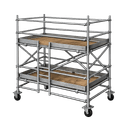
Temporary Structures
Covers scaffolding, fencing, and temporary buildings.

Soft Costs
Covers additional expenses from construction delays due to covered losses.

Equipment Coverage
Covers permanently installed fixtures and equipment.
Industries & Insurance Needs in Lexington
Fayette County's business base changes the kinds of projects that show up for review. The county has 9,129 business establishments, and its largest establishment shares are health care and social assistance at 14.2%, professional, scientific, and technical services at 13%, and retail trade at 12.9%. That mix points to a steady stream of interior build-outs, office renovations, clinic improvements, and storefront work, so a builders risk review here often needs more attention on phased construction, occupied-premises conditions, and materials delivered for short-duration jobs. If your project serves a tenant or owner-user in one of those sectors, ask for the quote to reflect whether the site stays partially open, whether equipment is installed in stages, and whether fixtures or finish materials are stored off site before installation. Those details can matter more than a generic project description.
What Makes Lexington Different
Renovation and tenant improvement work shifts the calculus in ways that new construction does not. In a market with a broad base of service businesses and a meaningful commercial footprint, many local projects are not ground-up builds on empty sites. They are fit-outs, reconfigurations, additions, and remodels where the building may already have an owner, a lender, a landlord, or a tenant with separate property interests. Treat the job as what it actually is: a live environment where construction overlaps with ongoing use. Review the construction timeline, the handoff points between trades, and whether existing portions of the property remain in use during the work. Lexington's median household income is $67,631, and a $75,000 renovation on a $272,000 home is a serious percentage of the property's value. Underestimating the finished project cost is the most common reason a policy comes up short after a loss, so rough early budgets deserve a second look before you request a quote. If your plans may evolve, build in a process to report change orders and added materials before the project value drifts past the amount scheduled on the policy.
Our Recommendation for Lexington
Start your quote request with the contract set, not a one-line project summary. A downtown build-out should include the lease insurance requirements, the scope of tenant improvements, and who owns installed fixtures at each stage. A custom home or major remodel should use the expected completed value, updated when allowances turn into actual selections. When owner-purchased materials, appliances, or specialty finishes will arrive before installation, ask how they should be scheduled and where they are covered while stored. Sites that will be partially occupied should be flagged clearly up front rather than left for the carrier to infer from the address. You should also review soft-cost needs carefully on financed jobs, because delay-related expenses are handled differently from physical damage. The Kentucky Department of Insurance is the state regulator for local filing and policy form questions, but your practical next step is the same regardless: assemble plans, budget, timeline, and contract responsibilities before requesting a quote.
Get Builders Risk Insurance in Lexington
Enter your ZIP code to compare builders risk insurance rates from carriers in Lexington, KY.
Business insurance starting at $25/mo
FAQ
Frequently Asked Questions
Quotes go better when you provide the lease requirements, construction budget, timeline, occupancy status during work, and who owns fixtures and materials before installation. That helps the policy match a phased commercial renovation instead of a simple vacant-site build.
Your project should be valued around the completed exposure, not just demolition and framing. Review allowances, owner-supplied materials, and change orders before binding coverage so the policy keeps pace with what the finished job actually costs.
Fayette County has 9,129 business establishments, with large shares in health care, professional services, and retail. Contractors in that environment are frequently working around existing tenants and patients, which makes it important to disclose phased work, access restrictions, and installation timing for equipment and finishes.
Your project should be reviewed before materials are scheduled or lender conditions are finalized. Starting early gives you time to match the policy to the completed value, construction timeline, and any temporary storage or owner-furnished items.
Change orders can affect your policy because they may increase project value, extend the timeline, or add materials not reflected in the original schedule. Review major scope changes promptly to keep the policy aligned with the job as built.
Renovation work often calls for a separate policy because the exposure is different from a finished, occupied property. You should compare the contract, the existing building exposure, and the planned phases of work before deciding how the project should be insured.
The buyer usually follows the construction contract. The buyer may be the owner, general contractor, or another party with a financial interest, so you should verify who is responsible for the work, materials, and lender requirements before requesting terms.
Kentucky lenders often require evidence of coverage before draws or closing conditions are satisfied. You should review the financing documents early, confirm required wording, and make sure the named insured and loss payee structure matches the project paperwork.
Sources
- 1.U.S. Census Bureau, ACS 5-Year Estimates, table B25077(With a Lexington median home value of $272,100, even a modest residential build or major renovation can represent a substantial property-in-progress exposure.)
- 2.U.S. Census Bureau, County Business Patterns, Fayette County(Fayette County has 9,129 business establishments, and its largest establishment shares are health care and social assistance at 14.2%, professional, scientific, and technical services at 13%, and retail trade at 12.9%.)
- 3.U.S. Census Bureau, ACS 5-Year Estimates, table B19013(Lexington's median household income is $67,631, which also suggests many residential customers are making material investments in upgrades rather than only minor cosmetic work.)
- 4.Kentucky Department of Insurance(The Kentucky Department of Insurance is the state regulator.)
Updated July 16, 2026