







































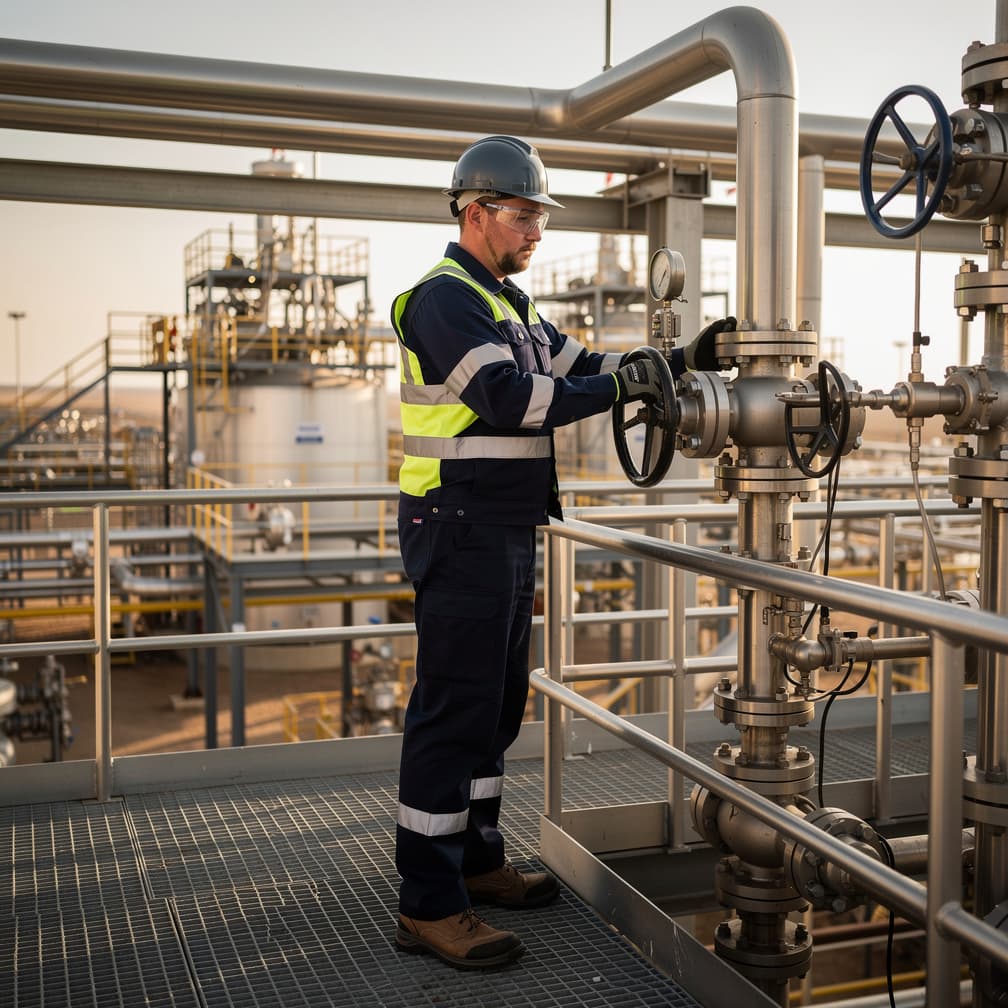

As an oil and gas contractor in Lexington, you learn that a closed gate costs more than a slow day. Operators ask for certificates before mobilization, and an expired policy reads as a locked gate rather than a warning. Distance sharpens the rest: a stolen trailer of tools can idle a crew for days when the nearest supplier is a long drive out. Oil and gas contractor insurance in Lexington should be built around what actually rides in the truck, with equipment values that match today rather than three years ago. Payroll, drivers, and claims history set the price a carrier returns. The hour worth spending goes to comparing participating carriers at identical limits, so you are reading price instead of fine print.
What Makes Lexington Different
Smaller operators write shorter contracts, and short contracts leave more to the certificate and the handshake. That is no favour, because a vague requirement still becomes a very specific argument after an incident. Ask exactly what the owner expects in writing: limits, additional insured status, notice, and for how long. Get it once and the same answer serves every job you run for them in Lexington. Field work outlasts the contract anyway, since a completed job can produce a claim years later. Coverage in force during the work may be the coverage that matters then, depending on the form. Changing carriers in Kentucky without asking about that history is how quiet gaps open up. Ask the question at renewal, when it costs nothing but a few minutes of attention.
Local Risk Factors in Lexington
A severe storm can flip a parked trailer, drive debris across a lease, and put a crew under pressure to secure a site in minutes. The sudden damage to equipment staged in the open is where an inland marine schedule may respond, since it tends to follow the gear rather than a building. Vehicles caught in the same cell are a commercial auto question, where physical damage coverage can address a truck struck by flying debris, subject to the deductible. Lost hours while the storm passes are not usually insured, so treat downtime as a contract and cash issue. Ask a carrier in Kentucky how storm damage to mobile equipment is handled before a rough stretch tests it near Lexington.
What Coverage Does an Oil & Gas Contractor in Lexington Need?
General Liability
Operators and landlords usually demand this before your crew mobilizes, because it is the line that answers third-party claims: a dropped tool that injures someone at a wellsite, or a customer's property damaged during your work. It generally does not touch your own tools or your employees' injuries, which sit on other lines.
Example: A length of pipe slips from a rack and catches a third-party inspector on the shoulder; the medical claim and the lawyer's letter that follow are the kind of thing this coverage may take on.
Workers Compensation
A hand hurt on a pad, a back wrenched loading a trailer, or an occupational illness from long exposure is what this line is built around, standing behind medical bills and a share of lost wages. It is priced against your payroll and class codes, and it does not respond to third-party injuries.
Example: A roustabout slips on an iced walkway and cannot work for a month; the treatment and the wage replacement that follow are where this coverage tends to step in.
Commercial Auto
Service trucks running from the yard to a lease road are the exposure here, and this line could respond to a wreck that injures someone or damages their property, plus physical damage to your own vehicle where that is added. A borrowed truck or a rented pump raises hired and non-owned questions a base policy may not answer.
Example: A crew truck rear-ends a flatbed on the way to a wellsite near Lexington; the other driver's repairs and injury claim are what this coverage is meant to address.
Tools & Equipment (Inland Marine)
What a general liability policy leaves out, this line picks up: the tongs, gauges, and portable equipment that travel with your crew on and off a lease. It might respond when gear is stolen, damaged in transit, or harmed by a covered peril, though wear and tear and, commonly, flood sit outside it.
Example: A trailer of hydraulic tongs disappears from a lease overnight; the cost to replace them fast, before a crew sits idle for a week, is what this coverage can help offset.
Commercial Umbrella
When a master service agreement demands limits higher than your primary policies carry, this line sits on top of them and lifts the ceiling, usually over general liability and commercial auto. It follows those underlying policies rather than replacing them, so it may not attach if the required underlying limits are not actually in place.
Example: A pad injury becomes a claim that blows past your general liability limit; the amount sitting above that ceiling is the part an umbrella could respond to.
How Much Does Oil & Gas Contractor Insurance Cost in Lexington?
Oil & Gas Contractor Insurance is a bundle of separate policies, priced separately. The ranges below are typical figures for Lexington for each line, except workers compensation, which is rated per $100 of payroll; a quote prices each one against your own operations.
| Coverage | Typical range | What moves your price |
|---|---|---|
| General Liability Insurance | $410 - $1,475 per month | Industry and risk classification, annual revenue, number of employees |
| Workers Compensation Insurance | $0.75 - $2.74 per $100 of payroll | Employee classification codes, total annual payroll, experience modification rate |
| Commercial Auto Insurance | $460 - $1,300 per month | Fleet size and vehicle types, driver records and experience, coverage limits and deductibles |
| Inland Marine Insurance | $85 - $390 per month | Total insured value of the scheduled property, type and age of the equipment, where it is stored and how far it travels |
| Commercial Umbrella Insurance | $260 - $1,025 per month | Umbrella limit requested, limits carried on the underlying policies, loss history on those underlying policies |
Prices shown are general estimates, not guaranteed rates or quotes. Your actual premium will depend on the insurer, coverage selected, business details, location, claims history, and other underwriting factors. Learn about our pricing methodology.
What Are the Insurance Requirements for an Oil & Gas Contractor in Lexington?
Workers' comp is generally required once you have your first employee. Kentucky generally requires employers to carry workers' compensation at that point. Common exemptions include sole proprietors, partners, and members of LLCs. Confirm current thresholds with your state's workers' compensation agency before you hire.
State auto liability minimums apply to business vehicles. Kentucky's minimum auto liability limits are $25,000/$50,000/$25,000 (bodily injury per person / per accident / property damage). Contracts and lenders often require more than the state floor.
Where to verify licensing and coverage rules. The Kentucky Department of Insurance publishes consumer guidance and current insurance requirements for Kentucky businesses. When a contract or lease demands specific wording, the Kentucky Department of Insurance's guidance is the authoritative place to check.
Get Your Oil & Gas Contractor Quote in Lexington
Compare rates from multiple carriers. Free quotes, no obligation.
Operating in Lexington
- Field work outlasts the contract: a completed job can produce a claim years later, and the coverage in force during the work may be the coverage that matters then, depending on how the form is written.
- When a hand borrows a truck or you rent a pump for a week, the exposure lands in hired and non-owned territory your own vehicle schedule may never touch, so ask about it before a driver improvises.
- Loss runs from the last several years follow every quote you request near Lexington, so one at-fault wreck or a mishandled claim can shape a renewal long after the incident itself has closed.
- A stalled week from weather still costs the yard and the crew, and standby terms sit in the operator's contract, so the idle days are usually yours to absorb rather than a claim you can file.
How to Buy: Advice for Lexington Owners
Your tools are the asset most likely to walk and the one owners under-insure most. A stolen trailer of hydraulic tongs can stop a crew until a replacement arrives from wherever it happens to be, and Inland Marine is the line that generally travels with equipment on and off a lease. Write the schedule to what things cost today, with serial numbers, because a claim moves faster against a list than against a memory. Rented gear is its own question, since a rental contract can make you responsible for the machine the moment it leaves the yard. General Liability responds to the third-party side, not to your own tools, so do not assume one covers the other. The Kentucky Department of Insurance publishes consumer guidance on the difference between liability and property coverage. Compare quotes from participating carriers against one equipment schedule near Lexington, or you are comparing nothing.
FAQ
Oil & Gas Contractor Insurance in Lexington: FAQ
Yes, and a waiver of subrogation is a common demand in operator agreements. It gives up your carrier's right to recover from the other party after paying a claim, so the carrier has to agree to it in advance, and some carriers in Kentucky price the change. Raise it while you are shopping, before the master service agreement is signed and your leverage is gone.
A tool that leaves a hand at height and injures a third party sits close to the center of what General Liability can respond to. If the person hurt is your own employee, that becomes a Workers Compensation matter instead of a liability claim. On a crowded pad, one falling part can pull several parties onto a single claim, which is why contracts push the required limit up.
Standard property and equipment forms typically exclude flood, which is written and priced separately. Tools stored in a low yard or a trailer left on soft ground can be exposed to rising water that the policy simply does not answer. If flood is a real risk where you store gear, ask how it is handled before the water arrives rather than after.
Intentional acts, ordinary wear and tear, and losses a form specifically excludes are the usual answers, along with flood on a standard property policy. A pump that fails from age rather than an accident, or damage you knew about and let worsen, tends to fall outside coverage. Reading the exclusions before a loss is cheaper than discovering them during one.
Most operators want certificates in hand before a single truck rolls onto a lease near Lexington, and a compliance portal can flag a missing document without a phone call. General Liability and, where trucks are involved, Commercial Auto are the lines usually named. A lapsed policy reads as a locked gate, so the coverage you carry is only as useful as the certificate that proves it.
Pricing a field program near Lexington tracks payroll first, then your driving records and the value of the tools riding in each truck. Workers Compensation is rated against payroll, so how a hand is classified matters more than any single negotiation. Claims history from the last few years sits under every quote. Two carriers can read the same file and return numbers that are not close.
Sources
- 1.Kentucky Department of Insurance(Kentucky Department of Insurance publishes consumer guidance for insurance buyers.)


