Updated July 5, 2026

Commercial Auto Insurance in Louisville
Your drivers may start the day from a small warehouse near the airport, a service bay in Okolona, or an office with a few marked vehicles heading to client stops across Jefferson County. That operating pattern changes what you should review. Commercial auto insurance in Louisville should match whether your vehicles spend most of the week on short urban runs, carry tools between appointments, or rotate among employees who also park at home after hours. A local quote is stronger when it reflects where units are garaged, who is allowed behind the wheel, how often crews cross the county for same day jobs, and whether you rely on pickups, vans, or a mixed fleet. Jefferson County has 20,128 business establishments, so your vehicles often share the road with dense daily business traffic, vendor stops, and time sensitive service calls. That makes it worth checking hired and non-owned auto exposure, physical damage deductibles, and liability limits against the way your schedule actually works. Before you shop, map your regular routes, list every driver, and note any vehicle that doubles as a delivery unit one day and a sales vehicle the next.
Commercial Auto Insurance Risk Factors in Louisville
Louisville's top risk factors include Tornado damage, Hail damage, Severe storm damage, and Wind damage. Louisville's crime index of 131 (national avg: 100) increases vehicle theft risk, comprehensive auto coverage is important here. Tornado damage and Hail damage can cause significant vehicle damage, make sure comprehensive coverage is included.
Kentucky has a high climate risk rating. Top hazards: Tornado (High), Flooding (Very High), Severe Storm (High), Landslide (Moderate). The state's expected annual loss from natural hazards is $980M, which influences commercial auto insurance premiums and may affect coverage availability in high-risk areas.
What Commercial Auto Insurance Covers
Business-use vehicles need protection built around their actual operation, and the core protection usually starts with liability, collision, comprehensive, medical payments, and uninsured motorist coverage. Kentucky's minimum liability requirement for commercial vehicles applies statewide, so a policy that only meets the floor may not be enough for vehicles that travel long routes, carry tools, or operate in dense traffic around Louisville, Lexington, or the I-75 and I-64 corridors. The state also says all commercial vehicles must be registered with the Kentucky DMV, which means your policy should match the vehicle use and registration status you actually have on the road. Comprehensive coverage is especially relevant here because Kentucky's severe storm, tornado, and flooding exposure can create damage that is not tied to a crash. Collision may help if the business vehicle hits another object or overturns in a crash scenario, while liability responds to bodily injury and property damage claims against your business. Uninsured or underinsured motorist coverage may be required, and that matters in a state where the uninsured driver rate is 13.8%. It can also be important if employees rent vehicles or use personal cars for work.
Coverage Included

Bodily Injury Liability
Covers injuries you cause to others in an accident

Property Damage Liability
Covers damage you cause to others' property
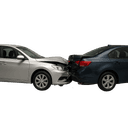
Collision Coverage
Pays for damage to your vehicle in an accident

Comprehensive Coverage
Covers theft, vandalism, weather, and animal damage

Medical Payments
Covers medical costs for your drivers and passengers

Uninsured Motorist
Protection when the other driver lacks insurance

Hired & Non-Owned Auto
Covers rented or employee-owned vehicles used for work
Commercial Auto Insurance Cost in Louisville
Average Cost in Kentucky
$130 - $370
per month
Businesses in Kentucky typically see commercial auto insurance premiums of $130 - $370 per month, which tends to run 9% below the national range of $140 - $410 per month.
- Fleet size and vehicle types
- Driver records and experience
- Coverage limits and deductibles
- Business industry and use
- Annual mileage and operating radius
- Claims history
Rates based on small business averages. Your actual premium may vary.
Prices shown are general estimates, not guaranteed rates or quotes. Your actual premium will depend on the insurer, coverage selected, business details, location, claims history, and other underwriting factors. Learn about our pricing methodology.
Kentucky pricing is shaped by the vehicle, the route, and the way the vehicle is used, not just by the number on the policy. Your premium will depend on vehicle count, use, and annual mileage. Kentucky's premium index sits at 94, which means rates here run slightly below the national average and buyers may find more room to compare. Even so, the actual commercial auto insurance cost in Kentucky still moves with fleet size, vehicle type, driver history, coverage limits, deductibles, annual mileage, operating radius, and claims history. Businesses that run more miles across the state, especially through storm-prone or higher-traffic areas, often see more price pressure than businesses with limited local use. Kentucky's climate risk profile is also important: tornado risk is high, flooding risk is very high, and severe storms are high, so comprehensive coverage can influence the final premium more than it might in a lower-risk state. Kentucky has 340 active insurance companies, which gives buyers more carrier options and makes comparison shopping more meaningful. The state's top carriers include Kentucky Farm Bureau, so quote requests can produce noticeably different structures for the same vehicle and driver profile.
Industries & Insurance Needs in Louisville
Jefferson County business mix changes how many local buyers should think about vehicle use. Health care and social assistance account for 13.3% of establishments, retail trade 12.8%, and professional, scientific, and technical services 11.2% in the county. That mix matters because a city fleet is not just contractors and delivery vans. It also includes home health visits, retail stock transfers, mobile service appointments, sales calls, and employee trips between offices and customer sites. If your operation fits one of those patterns, ask for a quote built around actual use rather than a generic class description. A professional firm with a few client-facing sedans should review permissive use and employee driver screening. A retailer moving inventory between locations should review loading patterns, peak-hour routes, and whether any personal vehicles are used for errands. A health-related operation should review who transports equipment, supplies, or staff during a normal week.
What Makes Louisville Different
Route density is what changes the calculus here. In a market where many businesses make multiple short trips in a day, claim frequency can be shaped less by long highway mileage and more by repeated parking lot movements, left turns into customer sites, backing incidents, and driver handoffs between stops. That is why a Louisville buyer should spend more time on operations detail than on broad state rules. Louisville median household income is $64,731, so many local customers and employees expect fast, convenient service at homes and workplaces across the metro area. For you, that often means tighter appointment windows and more pressure to keep vehicles moving. Review whether your policy setup matches that reality: named drivers versus broader permissive use, symbol selection for owned and non-owned autos, and deductibles your business can absorb without delaying repairs. If one disabled van or pickup would interrupt a full day of appointments, ask how downtime would affect revenue before you choose limits.
Our Recommendation for Louisville
Start with the schedule of vehicles, but do not stop there. For a local commercial auto review, line up each unit with its real job: sales calls, service work, deliveries, supervisor travel, or mixed use. Then verify who drives each vehicle, where it is parked overnight, and whether any employee uses a personal car for company errands. If that happens even occasionally, ask to review hired and non-owned auto exposure instead of assuming the personal policy solves it. Next, compare liability limits to the kinds of properties and customer locations your drivers enter every week. A van that backs into a loading area or a pickup that carries tools to a medical office creates a different loss conversation than a single executive sedan. If your business is growing, revisit classifications before adding vehicles midterm. The Kentucky Department of Insurance oversees insurance in the state, but your buying decision here comes down to accurate vehicle use, driver controls, and limits that fit your daily route pattern. Bring loss runs and MVR details to the quote request so the comparison is based on facts, not guesses.
Get Commercial Auto Insurance in Louisville
Enter your ZIP code to compare commercial auto insurance rates from carriers in Louisville, KY.
Business insurance starting at $25/mo
FAQ
Frequently Asked Questions
Louisville businesses with two or three vehicles still benefit from a detailed review because short daily runs, shared drivers, and mixed vehicle use can change liability, physical damage, and non-owned auto needs more than fleet size alone.
Jefferson County route density can affect policy setup because 20,128 business establishments create frequent stops, parking movements, and driver handoffs. That is a good reason to review garaging, driver lists, deductibles, and hired or non-owned auto exposure.
Louisville professional firms should check who drives client-facing vehicles, whether employees use personal cars for errands, and how often staff move between offices and appointments. Professional, scientific, and technical services make up 11.2% of county establishments, so that pattern is common.
Louisville retail and service businesses often switch a vehicle between deliveries, stock runs, and customer visits. Retail trade represents 12.8% of county establishments, so insurers need the real use pattern to classify vehicles and review limits accurately.
Louisville health-related businesses should bring driver lists, vehicle schedules, overnight garaging details, and a clear description of any equipment or supply transport. Health care and social assistance account for 13.3% of county establishments, so those exposures come up often.
In Kentucky, it can help cover liability, collision, comprehensive, medical payments, and uninsured motorist protection, and it can be extended to hired and non-owned vehicles when the right endorsements are added.
Kentucky requires minimum liability of $25,000/$50,000/$25,000 for commercial vehicles, all commercial vehicles must be registered with the Kentucky DMV, and uninsured or underinsured motorist coverage may be required.
Your final cost varies by vehicle type, mileage, drivers, limits, deductibles, and claims history.
Sources
- 1.U.S. Census Bureau, County Business Patterns, Jefferson County(Jefferson County has 20,128 business establishments, so your vehicles often share the road with dense daily business traffic, vendor stops, and time sensitive service calls.; Health care and social assistance account for 13.3% of establishments, retail trade 12.8%, and professional, scientific, and technical services 11.2% in the county.)
- 2.U.S. Census Bureau, ACS 5-Year Estimates, table B19013(Louisville median household income is $64,731, so many local customers and employees expect fast, convenient service at homes and workplaces across the metro area.)
- 3.Kentucky Department of Insurance(The Kentucky Department of Insurance oversees insurance in the state.)
Updated July 5, 2026