







































Updated July 16, 2026

Inland Marine Insurance in Louisville
Louisville's tighter local market changes how inland marine buying works in practical ways. You may see fewer carriers eager to write small schedules of tools, installation floaters, or customer property. That changes when your application clearly shows where items travel, how they are stored overnight, and who signs for them at each handoff. For many owners, the buying decision is less about whether you own mobile property and more about documenting how it moves. Jefferson County has 20,128 business establishments. In practical terms, that means more property managers and general contractors may scrutinize your certificate of insurance before anyone lets you on site. If you serve homeowners, clinics, retailers, or office tenants across the metro, proof of coverage often matters before work starts.
Inland Marine Insurance Risk Factors in Louisville
Louisville's top risk factors include Tornado damage, Hail damage, Severe storm damage, and Wind damage.
Kentucky has a high climate risk rating. Top hazards: Tornado (High), Flooding (Very High), Severe Storm (High), Landslide (Moderate). The state's expected annual loss from natural hazards is $980M, which influences inland marine insurance premiums and may affect coverage availability in high-risk areas.
What Inland Marine Insurance Covers
Kentucky businesses use inland marine insurance to protect property that moves between locations, sits at job sites, or is temporarily stored away from a fixed premises. That can include tools, equipment, materials, and goods in transit. It can also be written for installation floater coverage when materials are being installed at a customer location, and for builders risk when a project is under construction and the property is exposed before completion. In practice, your policy can help cover property across job sites, warehouse stops, customer locations, and temporary storage arrangements, rather than staying tied to one building address.
Coverage terms still vary by carrier and endorsement, and Kentucky does not add a state-mandated form that automatically fits every business. The Kentucky Department of Insurance regulates the market, so your policy language, limits, deductibles, and scheduled items matter more than a one-size-fits-all assumption. Common covered perils often include theft, damage, and vandalism while property is away from the primary business location, but the exact scope depends on the policy you buy. If your operation uses mobile business property insurance, you should confirm whether the policy is scheduled or blanket, whether offsite storage is included, and whether items at customer premises are treated differently from items in transit. Because Kentucky faces tornado, severe storm, and flooding exposure, businesses should pay close attention to location-based restrictions, temporary storage terms, and any endorsements that narrow protection during weather-related disruptions.
Coverage Included
Tools & Equipment
Can help repair or replace hand tools, power tools, and gear that are stolen or damaged on the job or in transit.

Goods in Transit
May cover products, materials, and merchandise while they are being shipped or hauled between locations in your care.

Contractors Equipment
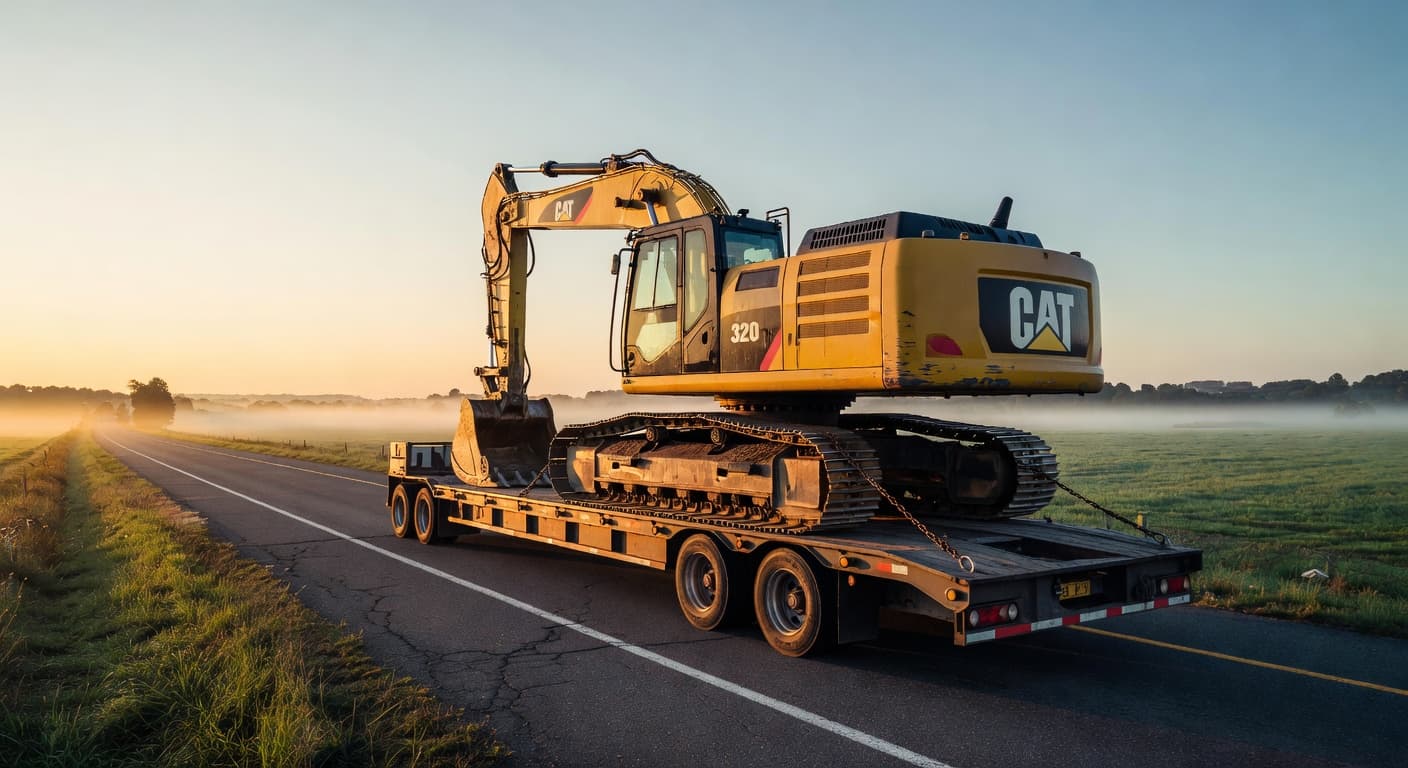
Typically covers heavy machinery like excavators, loaders, and generators against theft or damage at job sites and between them.

Installation Floater
Can help cover materials and fixtures from the moment you buy them until they are installed and accepted at a project.

Builders Risk
May cover a structure under construction, along with materials on site, against damage from fire, wind, theft, and vandalism.
Inland Marine Insurance Cost in Louisville
Average Cost in Kentucky
$25 - $90
per month
Businesses in Kentucky typically see inland marine insurance premiums of $25 - $90 per month, which tends to run 4% below the national range of $20 - $100 per month.
- Total insured value of the scheduled property
- Type and age of the equipment
- Where it is stored and how far it travels
- Jobsite security and theft prevention
- Per-item limits and deductibles
- Prior theft and in-transit losses
Contact CPK Insurance for a personalized quote.
Prices shown are general estimates, not guaranteed rates or quotes. Your actual premium will depend on the insurer, coverage selected, business details, location, claims history, and other underwriting factors. Learn about our pricing methodology.
In Kentucky, inland marine insurance cost is shaped by both the state market and the way your property moves. The average premium range runs from $25 to $90 per month, compared with the broader product average of $20 to $100 per month, which reflects a lower-than-national pricing pattern in this state. Where you land depends on how much mobile property you own, how often it travels, and whether it is left at job sites or in temporary storage. That gives you a slight pricing edge, but it does not mean every business will land at the low end.
Kentucky's elevated tornado risk can push pricing higher for businesses with equipment that is frequently exposed on job sites, in open yards, or in temporary storage. Very high flooding risk can also matter if your goods or tools are staged in low-lying areas, near waterways, or in flood-prone counties. Property crime and larceny-theft trends are still relevant, which can affect pricing for tools and equipment when theft exposure is part of the risk. Carrier competition is a real factor here, and that can work in your favor when underwriters are competing for your account. Insurers often price based on how much mobile property you own, how often it travels, and whether it is left at job sites or in temporary storage. If you want a more precise quote, expect underwriters to ask about your trade, travel radius, security practices, and item values before they finalize a rate.
Industries & Insurance Needs in Louisville
Jefferson County's business mix changes which inland marine details deserve the closest review. Health care and social assistance account for 13.3% of establishments, retail trade 12.8%, and professional, scientific, and technical services 11.2%, so local demand often involves property that is mobile, borrowed, installed, demonstrated, or temporarily kept away from a main premises. If you work inside clinics, stores, offices, or mixed-use buildings, ask whether your quote is built around contractors equipment alone or whether it should also review installation floater, leased or rented equipment, or customer property in your care. Those distinctions matter because a contractor delivering fixtures to a retail build-out, an IT firm moving devices between client offices, and a service vendor carrying specialized equipment into medical settings do not present the same transit and custody exposures. Use your actual client mix and contract language to shape limits and covered property categories, rather than assuming one inland marine form fits every stop on your route.
What Makes Louisville Different
Your schedule should mirror your actual workflow. Jefferson County's mix of commercial clients and subcontracted work means your contract terms and property schedule need to align before gear leaves your control. Louisville median household income is $64,731. What that means for you is that many customers are comparing quotes line by line before they hire. That makes sloppy scheduling expensive in two directions, because you can overinsure low-value items or miss higher-value tools and client property that actually drive the exposure. Group your property by ownership and by how each item moves, so owned tools, rented equipment, installations, and customer property each land in the right category. If a certificate request or contract requirement looks broader than your current form, review it before you agree to start work.
Our Recommendation for Louisville
Start with a detailed property list. The most useful quote usually comes from a schedule showing item description, replacement cost, serial number, usual storage location, and whether the property is owned, rented, or customer supplied. Next, compare your common stops, because occupied homes, retail suites, medical offices, and temporary job sites can create different theft and custody questions. If you regularly sign vendor agreements or site access paperwork, send those documents with the application so requested limits can be checked against your actual obligations. Keep certificates current and make sure named insured information matches the contracts you sign. If your operation has changed over the last year, update the schedule before renewal instead of assuming last year's blanket approach still fits.
Get Inland Marine Insurance in Louisville
Enter your ZIP code to compare inland marine insurance rates from carriers in Louisville, KY.
Business insurance starting at $25/mo
FAQ
Frequently Asked Questions
Louisville buyers often run into certificate and contract review early. Underwriters want a clear picture of what moves, where it is stored, and who controls it. A detailed schedule helps match transit, temporary storage, and job-site exposures to the right form.
Jefferson County has 20,128 business establishments. The practical effect is that more property managers and general contractors may review your certificate of insurance before granting site access. That makes clean certificates, accurate schedules, and contract-ready limits worth reviewing before you bid or mobilize.
Louisville service firms often carry both their own gear and items belonging to clients. Those exposures are not always handled the same way. Ask whether your quote reviews customer property in your care separately from owned tools or rented equipment.
Jefferson County is led by health care and social assistance at 13.3%, retail trade at 12.8%, and professional, scientific, and technical services at 11.2%. The takeaway is that contracts in these sectors often carry specific installation, transit, and custody requirements. Review those details against the contracts you sign.
Louisville median household income is $64,731. For your business, that means many customers are comparing quotes line by line before they hire. Schedule higher-value items carefully and avoid paying for categories of property you do not actually move.
It can help cover scheduled tools and equipment while they are in transit, at Kentucky job sites, or in temporary storage, but the exact terms depend on the carrier form and limits you choose.
Your policy may help cover those materials away from your fixed premises, but you should confirm whether temporary storage is included and whether the location or duration changes the protection.
Contractors, installers, and other businesses that move expensive portable property across Louisville, Lexington, Bowling Green, or rural job sites should look closely at contractors equipment insurance.
Sources
- 1.U.S. Census Bureau, County Business Patterns, Jefferson County(Jefferson County has 20,128 business establishments, so there are simply more landlords, general contractors, property managers, and commercial clients asking for clean certificates and contract-ready limits before they let property onto a site.; Health care and social assistance account for 13.3% of establishments, retail trade 12.8%, and professional, scientific, and technical services 11.2%, so local demand often involves property that is mobile, borrowed, installed, demonstrated, or temporarily kept away from a main premises.)
- 2.U.S. Census Bureau, ACS 5-Year Estimates, table B19013(Louisville median household income is $64,731, so many local jobs still involve cost-sensitive homeowners and small business buyers who expect you to show value clearly and carry only the coverage that matches the work.)
Updated July 16, 2026





