








































Updated July 5, 2026

Commercial Truck Insurance in Baton Rouge
A lot of trucking work here starts in practical places: a small yard off an industrial corridor, a leased bay near a supplier, or a dispatch office juggling short local runs with longer regional loads. If you are shopping for commercial truck insurance in Baton Rouge, the review should follow that operating pattern, not just the truck list. A contractor hauling tools across town, a box truck serving medical offices, and a retail delivery unit making repeated stops each create different liability, cargo, and downtime concerns.
That local mix matters because many trucking accounts here depend on frequent vendor deliveries, service calls, and time-sensitive pickups rather than one simple highway route. Your policy review should match how often drivers back into customer lots, leave equipment in vehicles between stops, cross parish lines, and use hired or non-owned vehicles during busy periods. Before you request quotes, line up your unit schedule, garaging address, driver list, radius of operation, and any trailer or cargo details. That gives you a cleaner comparison and helps you spot where a low quote leaves a working exposure uninsured.
Commercial Truck Insurance Risk Factors in Baton Rouge
Local risk comes from **route density and stop frequency** as much as weather. A truck that spends the day on repeated deliveries, jobsite visits, or service calls faces more backing, loading, and parking-lot exposure than a unit that mainly stays on a long interstate haul. That changes what you should review around physical damage deductibles, cargo terms, towing, rental reimbursement, and any gap between scheduled equipment and what actually rides in the truck. Louisiana's broader hazard profile is already part of the state discussion, but the city-level question is operational: where are your trucks parked, how quickly can you move them, and what happens to revenue if one unit is down for several days. If your business relies on a small number of vehicles, ask for a quote that **separates liability from physical damage options** and shows the effect of different deductibles. That makes it easier to balance monthly cost against the cash you would need after a loss.
Louisiana has a very high climate risk rating. Top hazards: Hurricane (Very High), Flooding (Very High), Severe Storm (High), Tornado (Moderate). The state's expected annual loss from natural hazards is $4.8B, which influences commercial truck insurance premiums and may affect coverage availability in high-risk areas.
What Commercial Truck Insurance Covers
In Louisiana, this coverage is typically built around the protections trucking businesses actually use. Those include motor carrier liability, physical damage, cargo coverage, trailer interchange, bobtail coverage, and non-trucking liability. Louisiana's commercial auto minimums set a baseline, but many trucking operations need higher liability limits to meet shipper, broker, or contract expectations. If you haul general freight, federal rules show a minimum of $750,000 in liability coverage, while hazardous materials can require $1 million to $5 million. Those limits are not the same as the state auto minimums, so the policy structure has to match the freight you move.
Cargo coverage is usually a separate section and applies to goods in transit, while physical damage coverage for trucks helps protect the tractor or trailer itself. Trailer interchange can be important if you handle equipment under agreement, and bobtail coverage or non-trucking liability may be relevant when the truck is operating outside dispatch. In Louisiana, policy design also needs to account for weather-related exposure, because hurricane and flooding risk can affect how carriers view vehicle damage and cargo losses. Coverage terms, deductibles, and endorsements vary by carrier and by the way your trucking operation is set up.
Coverage Included

Motor Carrier Liability
Can help cover injuries and property damage your truck causes to others, a coverage federal regulators require most for-hire carriers to maintain.
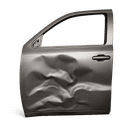
Physical Damage
Can help pay to repair or replace your own truck after an accident, fire, theft, or vandalism.
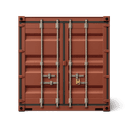
Cargo Coverage
May pay for damage to or theft of the freight you are hauling while it is in your care.
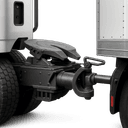
Trailer Interchange
Can help cover damage to trailers you haul under an interchange agreement but do not own.

Bobtail Coverage
May provide liability protection when you drive your tractor without a trailer attached, such as after dropping off a load.

Non-Trucking Liability
Can help cover accidents that happen when you use your truck for personal errands rather than dispatched work.
Commercial Truck Insurance Cost in Baton Rouge
Average Cost in Louisiana
$500 - $1,325
per month
Businesses in Louisiana typically see commercial truck insurance premiums of $500 - $1,325 per month, which tends to run 20% above the national range of $400 - $1,125 per month.
- Radius of operation
- Commodities hauled and cargo value
- Number and value of power units
- Driver motor vehicle records and CDL experience
- DOT safety record, inspections, and FMCSA scores
- Liability limits and physical damage deductibles
Contact CPK Insurance for a personalized quote.
Prices shown are general estimates, not guaranteed rates or quotes. Your actual premium will depend on the insurer, coverage selected, business details, location, claims history, and other underwriting factors. Learn about our pricing methodology.
Commercial truck insurance cost in Louisiana varies based on truck type, route, and coverage mix. Pricing runs above the national average, with a premium index of 142. That index uses 100 as the national baseline, so a score of 142 means Louisiana premiums run roughly 42% higher than the typical state, which is consistent with the higher-risk environment carriers see here. Several local factors can push pricing up or down. The state's very high hurricane risk, very high flooding risk, elevated overall crime index of 138, and the 11.7% uninsured driver rate all add to the underwriting picture. The crime index, which uses 100 as the national average, signals higher-than-typical rates of theft and vandalism, which directly affects how carriers price physical damage and cargo coverage. The uninsured driver rate matters because it raises the odds of an uninsured party being involved in an accident, which can increase the claims your policy has to absorb and push premiums higher.
Louisiana's 2023 auto accident figures include a fatal crash rate of 1.81 versus the national average of 1.33, with weather conditions, following too closely, and lane departure among the leading causes. For trucking policies, fatal crashes drive up premiums because they create severe loss potential and increase exposure to large liability payouts, so route exposure and driver history can matter a lot. Your specific coverage limits, claims history, garaging location, and endorsements all feed into the final price. If you haul into high-traffic corridors, keep trucks parked in higher-theft areas, or need cargo and trailer interchange protection, the premium can move accordingly. Comparing a quote from multiple carriers is an important step because pricing and appetite can differ by truck class and operating profile.
Industries & Insurance Needs in Baton Rouge
The county business mix changes the kind of trucking exposure you may need to insure. In East Baton Rouge Parish, the leading sectors by establishment share are professional, scientific, and technical services at 14.6%, retail trade at 13.8%, and health care and social assistance at 11.7%. So a lot of local truck use is tied to deliveries, service appointments, office support, and recurring stops at customer locations, not only traditional freight lanes.
That matters when you build a policy. Retail-facing routes can mean more loading and unloading activity and more time in customer parking areas. Health care related deliveries can raise the stakes on delay, spoilage, or handling expectations, depending on what you transport. Service-oriented accounts often use pickups, vans, and light or medium duty trucks that carry tools, parts, or mobile equipment. When you compare quotes, ask the agent to classify the operation the way it actually runs, including stop count, cargo type, and whether drivers also perform setup or service work on site.
What Makes Baton Rouge Different
Stop-driven commercial use is the main thing that changes the insurance calculus here. In some markets, truck coverage is mostly about long-haul mileage and terminal exposure. Here, many insureds use trucks as part of a broader service or delivery operation, where the vehicle is only one piece of the job. That means the real exposure often shows up while loading, unloading, parking at customer sites, carrying tools or inventory, or sending employees to multiple addresses in one day.
The local economy supports that pattern. East Baton Rouge Parish has 12,520 business establishments, and Baton Rouge median household income is $49,944, so many operators are serving a dense base of businesses and households that expect regular deliveries, scheduled service windows, and proof of insurance before work starts. For you, that shifts the buying decision away from a bare minimum auto policy and toward a closer review of hired and non-owned auto, cargo or inland marine, downtime planning, and certificate turnaround. The right quote is the one that matches how your trucks earn revenue during a normal week.
Our Recommendation for Baton Rouge
Start with your dispatch reality, not your renewal paperwork. If one truck handles short retail deliveries, another carries tools to job sites, and a third occasionally pulls a trailer, ask for those uses to be reviewed separately. That can help you avoid paying for the wrong classification while still addressing the exposures that actually create claims.
Next, document where vehicles are kept overnight, who can drive them, and whether employees ever use personal vehicles for pickups, bank runs, or parts deliveries. Those details can change whether hired and non-owned auto deserves a closer look. If you carry equipment, samples, or customer property, ask whether the policy leaves a gap between vehicle damage and what is inside the vehicle.
Finally, request certificates and endorsement options with your quote if customers, landlords, or larger contractors ask for proof before work begins. If a question comes up on filings or policy language, the Louisiana Department of Insurance is the state regulator, but your immediate step is simpler: bring a current loss run, vehicle schedule, and driver list so the quote reflects your actual operation.
Get Commercial Truck Insurance in Baton Rouge
Enter your ZIP code to compare commercial truck insurance rates from carriers in Baton Rouge, LA.
Business insurance starting at $25/mo
FAQ
Frequently Asked Questions
Baton Rouge delivery operations should review more than road liability. Frequent stops increase backing, loading, unloading, and parking-lot exposure, so ask how physical damage, cargo, towing, and hired or non-owned auto apply to your actual route pattern.
Baton Rouge service businesses often use trucks to carry tools, parts, or mobile equipment between appointments. That makes vehicle use, contents in the truck, and employee driving patterns worth reviewing differently than a straightforward freight operation.
East Baton Rouge Parish supports a large base of local businesses, so many truck accounts here depend on recurring vendor visits and customer-site work. That makes certificate requests, stop frequency, and parking exposure practical issues to address before binding coverage.
Baton Rouge garaging details matter because where trucks are kept affects how the risk is evaluated and how quickly you can recover after a loss. Give the primary overnight address, any secondary yard, and whether units rotate between locations.
Baton Rouge contractors should mention any employee use of personal vehicles for errands, parts runs, or site visits. A standard truck schedule may not address that exposure, so hired and non-owned auto is worth asking about during the quote review.
It can include motor carrier liability, physical damage, cargo coverage, trailer interchange, bobtail coverage, and non-trucking liability, with the exact mix shaped by how your trucks run in Louisiana.
Louisiana commercial auto minimums apply, and trucking operations may also need higher liability limits to meet freight or contract requirements.
Your price varies by truck type, routes, claims history, deductibles, and endorsements. Louisiana's above-average premium index and exposure to hurricane and flooding risk can also push pricing higher than in many other states.
Sources
- 1.U.S. Census Bureau, County Business Patterns, East Baton Rouge Parish(In East Baton Rouge Parish, the leading sectors by establishment share are professional, scientific, and technical services at 14.6%, retail trade at 13.8%, and health care and social assistance at 11.7%.; East Baton Rouge Parish has 12,520 business establishments.)
- 2.U.S. Census Bureau, ACS 5-Year Estimates, table B19013(Baton Rouge median household income is $49,944.)
- 3.Louisiana Department of Insurance(The Louisiana Department of Insurance is the state regulator.)
Updated July 5, 2026





