








































Updated July 5, 2026

Inland Marine Insurance in Baton Rouge
Do you need inland marine insurance in Baton Rouge if you already carry property coverage? Usually, yes, if your tools, equipment, or customer property leave your main address for jobs, deliveries, service calls, or temporary storage. The local issue is concentration: work here often means moving property through a dense service economy, not keeping it in one fixed building all week.
East Baton Rouge Parish has 12,520 business establishments, so vendors, contractors, service firms, and mobile professionals are constantly taking equipment onto other premises where responsibility for damage or theft can get blurry. That matters when you unload diagnostic gear at a clinic, leave tools at a renovation site near Mid City, or carry inventory between a warehouse and a customer stop along Airline Highway. A quote should match what actually travels, where it sits between stops, and whether you ever hold property that belongs to a client. Before you buy, list the items that leave your premises, their replacement cost, the vehicles or trailers involved, and any contracts that make you responsible while property is off-site.
Inland Marine Insurance Risk Factors in Baton Rouge
Baton Rouge's top risk factors include Flooding, Hurricane damage, Coastal storm surge, and Wind damage.
Louisiana has a very high climate risk rating. Top hazards: Hurricane (Very High), Flooding (Very High), Severe Storm (High), Tornado (Moderate). The state's expected annual loss from natural hazards is $4.8B, which influences inland marine insurance premiums and may affect coverage availability in high-risk areas.
What Inland Marine Insurance Covers
Inland marine insurance is designed for business property that is mobile, installed away from your main location, or in transit over land. That includes tools, equipment, building materials, goods being shipped, and other mobile business property that may be offsite. For many buyers, the most relevant pieces are tools and equipment coverage, goods in transit coverage, contractors equipment coverage, installation floater coverage, and builders risk coverage.
This coverage matters because a standard commercial property policy usually can help protect against covered losses for items at a fixed address, while inland marine follows covered property as it moves. In Louisiana, that distinction is especially important in places exposed to hurricanes, flooding, and severe storms. Businesses may relocate materials, stage equipment offsite, or store items temporarily while projects are delayed. Your policy can respond to theft, damage, vandalism, and other covered perils while property is away from the primary business location.
Louisiana does not have a state-mandated inland marine minimum, and requirements vary by industry and business size. Because the LDOI regulates the market, endorsements, limits, deductibles, and covered property schedules should be checked line by line. If you work offsite or move property between cities, the policy should be matched to those locations and exposures rather than to a single storefront address.
Coverage Included
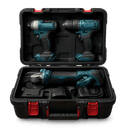
Tools & Equipment
Can help repair or replace hand tools, power tools, and gear that are stolen or damaged on the job or in transit.

Goods in Transit
May cover products, materials, and merchandise while they are being shipped or hauled between locations in your care.
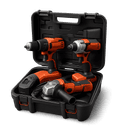
Contractors Equipment
Typically covers heavy machinery like excavators, loaders, and generators against theft or damage at job sites and between them.

Installation Floater
Can help cover materials and fixtures from the moment you buy them until they are installed and accepted at a project.

Builders Risk
May cover a structure under construction, along with materials on site, against damage from fire, wind, theft, and vandalism.
Inland Marine Insurance Cost in Baton Rouge
Average Cost in Louisiana
$35 - $130
per month
Businesses in Louisiana typically see inland marine insurance premiums of $35 - $130 per month, which tends to run 38% above the national range of $20 - $100 per month.
- Total insured value of the scheduled property
- Type and age of the equipment
- Where it is stored and how far it travels
- Jobsite security and theft prevention
- Per-item limits and deductibles
- Prior theft and in-transit losses
Contact CPK Insurance for a personalized quote.
Prices shown are general estimates, not guaranteed rates or quotes. Your actual premium will depend on the insurer, coverage selected, business details, location, claims history, and other underwriting factors. Learn about our pricing methodology.
The average premium range for inland marine insurance in Louisiana is $35 to $130 per month, which is above the national average market level. Coverage limits and deductibles are major drivers, along with claims history, location, industry risk profile, and policy endorsements.
Severe weather exposure can push premiums upward because mobile property may be exposed during storms. The property crime rate is 3,020 per 100,000 residents. That means roughly 1 in 33 people here experience property crime in a given year, so securing your equipment offsite is a practical necessity, not just a precaution. Construction is one of the state's major industries, and businesses in that sector often need higher scheduled values for tools, materials, and contractors equipment, which can increase cost.
The market is competitive, with many active carriers writing business here. That competition can create meaningful quote variation, so comparing options from multiple carriers is important. Businesses with tighter schedules, lower deductibles, safer storage practices, and well-documented equipment inventories may see more favorable pricing than those with frequent losses or high-value mobile property.
Industries & Insurance Needs in Baton Rouge
The county business mix is the practical reason this coverage comes up so often here. In East Baton Rouge Parish, leading sectors by establishment share are professional, scientific, and technical services at 14.6%, retail trade at 13.8%, and health care and social assistance at 11.7%, so a lot of local firms rely on mobile equipment, stock, instruments, or client property away from a single office or storefront.
That changes the buying conversation. A design or testing firm may move specialized gear to a client site. A retailer may shuttle inventory between locations, events, or temporary storage. A health care related operation may carry devices, supplies, or equipment that are valuable, portable, and used off premises. If your business fits one of those patterns, ask for item classes and limits that follow the property where it actually goes, instead of assuming your main property policy responds once the item is in transit or sitting at another location.
What Makes Baton Rouge Different
Concentration is what changes the calculus here. Baton Rouge is not just a place where property moves, it is a place where a large number of businesses operate close together, share job sites, and hand off work across landlords, customers, vendors, and subcontractors. In that environment, inland marine questions usually turn on custody, location, and documentation more than on a simple yes or no about whether an item is covered.
That is why scheduling matters. If you carry specialized tools, rented equipment, installation materials, or customer property, the useful review is not only the total value. It is which items travel daily, which sit overnight at another address, and which are most likely to trigger a contract dispute if they are damaged or disappear. The more often your property changes hands or locations, the more important it is to match the policy form to those movements. Start with your highest-value mobile items and the contracts that shift responsibility to you.
Our Recommendation for Baton Rouge
Start your review with a movement map, not a generic equipment list. Note which property travels every day, which stays in a vehicle or trailer between stops, which is left at a customer location, and which belongs to someone else while it is in your care. That usually surfaces the real inland marine exposures faster than a broad revenue estimate.
Next, separate property into buying categories that an underwriter can actually rate: contractor tools, installation materials, medical or technical equipment, retail stock in transit, or customer property. If an item is expensive to replace or hard to source quickly, flag it first. Baton Rouge buyers should also pull any lease, service agreement, or work order that makes them responsible for property off premises, because those documents often drive the limit you need more than the item count does. Then request a quote using your current inventory values, your normal travel radius, and the temporary locations where property is most often kept.
Get Inland Marine Insurance in Baton Rouge
Enter your ZIP code to compare inland marine insurance rates from carriers in Baton Rouge, LA.
Business insurance starting at $25/mo
FAQ
Frequently Asked Questions
Baton Rouge businesses often need to review it even for same-day movement, because property can be unloaded, staged, or left at another premises before you return. If tools, stock, or client items regularly leave your address, ask how the policy treats transit and temporary stops.
Baton Rouge contractors usually decide this by replacement cost and how often items change locations. Schedule high-value or specialized equipment that would hurt cash flow to replace, and review whether smaller tools fit better under a broader unscheduled approach.
East Baton Rouge Parish has 12,520 business establishments, so local firms often work across customer sites, leased spaces, and vendor locations. That makes custody and off-premises responsibility a practical issue, and it is worth reviewing where property sits between jobs.
Baton Rouge service firms should start with anything that leaves the main premises: tools, diagnostic gear, laptops tied to field work, installation materials, and customer property in your care. Build the quote from actual mobile items, not from everything you own.
East Baton Rouge Parish is led by professional, scientific, and technical services at 14.6%, retail trade at 13.8%, and health care and social assistance at 11.7%. If your operation in those groups moves valuable property off-site, review inland marine carefully.
It is designed for mobile business property such as tools, equipment, building materials, and shipped goods while they are away from your main location. If your tools are sitting in a truck overnight or your materials are staged at a customer site, this coverage can help protect them.
It follows covered property when it is stored offsite, which helps fill the gap left by a fixed-location commercial property policy. So if your equipment is staged at a Louisiana job site or in temporary storage, your policy can respond to covered perils there.
Contractors, electricians, plumbers, landscapers, installers, and businesses that ship goods or hold customer property are common Louisiana buyers because they move property regularly.
Sources
- 1.U.S. Census Bureau, County Business Patterns, East Baton Rouge Parish(East Baton Rouge Parish has 12,520 business establishments, so vendors, contractors, service firms, and mobile professionals are constantly taking equipment onto other premises where responsibility for damage or theft can get blurry.; In East Baton Rouge Parish, leading sectors by establishment share are professional, scientific, and technical services at 14.6%, retail trade at 13.8%, and health care and social assistance at 11.7%, so a lot of local firms rely on mobile equipment, stock, instruments, or client property away from a single office or storefront.)
Updated July 5, 2026





