Updated July 16, 2026

On-Hook Towing Insurance in Baton Rouge
Traffic density shapes everything about your work here. A single shift can take you from a quick roadside hookup to a cross-parish transport through busy commercial corridors, and your coverage needs to account for that range. Review your policy not as a generic add-on but as protection tied to where you pick up, how far you haul, and how long customer vehicles stay in your care between dispatch and drop-off. Around Airline Highway, Florida Boulevard, and the I-10 and I-12 split, stop-and-go conditions, tight turns into retail lots, and frequent handoffs at repair shops can all raise the stakes of a damage claim. East Baton Rouge Parish has 12,520 business establishments, which means a steady pool of commercial accounts that may send tow work your way. With that many potential commercial clients, expect property managers to demand clean certificates and clear claim handling before they send work your way. If your operation handles private property tows, dealer moves, or roadside calls for commercial accounts, ask about a policy that matches your actual towing radius, unit list, storage setup, and the highest-value vehicles you are willing to accept.
On-Hook Towing Insurance Risk Factors in Baton Rouge
Baton Rouge's top risk factors include Flooding, Hurricane damage, Coastal storm surge, and Wind damage.
Louisiana has a very high climate risk rating. Top hazards: Hurricane (Very High), Flooding (Very High), Severe Storm (High), Tornado (Moderate). The state's expected annual loss from natural hazards is $4.8B, which influences on-hook towing insurance premiums and may affect coverage availability in high-risk areas.
What On-Hook Towing Insurance Covers
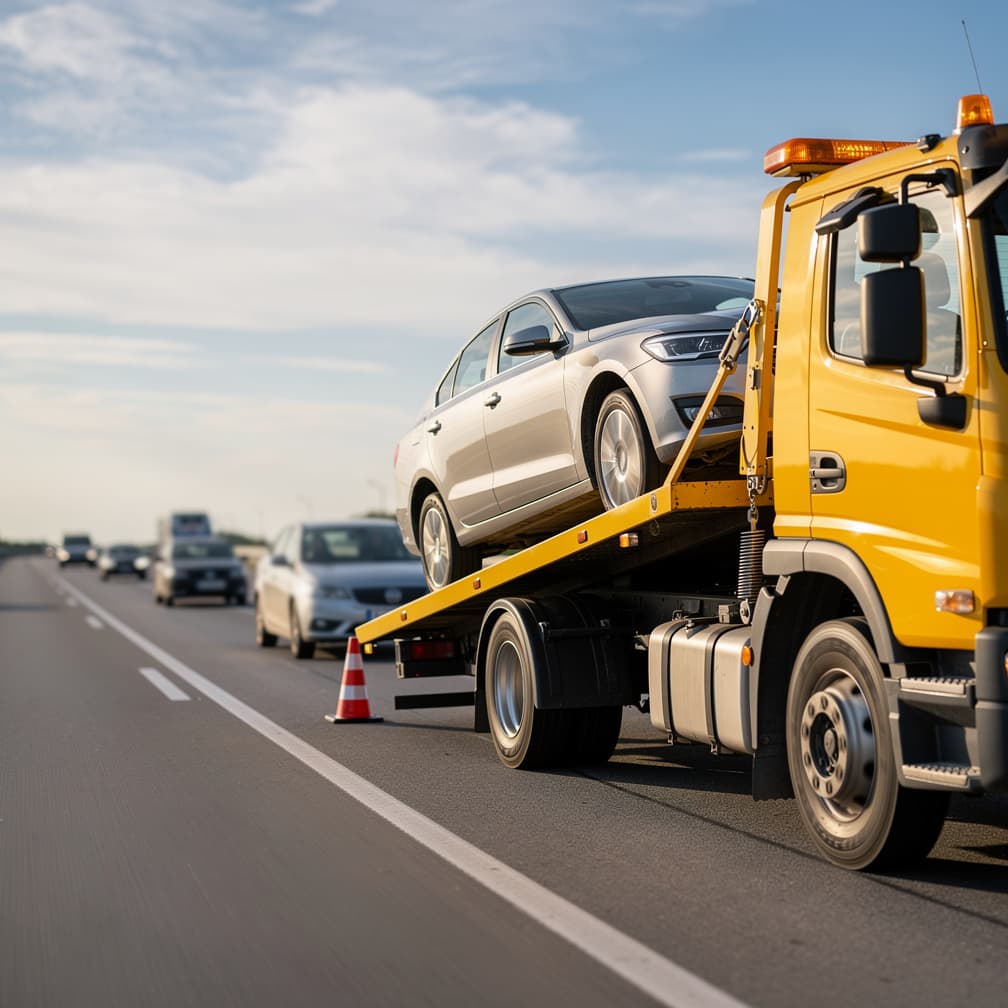
On-hook coverage responds when a customer's vehicle is damaged while attached to your truck, loaded on your bed, or being moved by your equipment. A tow company working urban accident scenes, apartment impounds, highway breakdowns, and storm-related recoveries can create very different damage scenarios even in the same week. You should review the points where a customer vehicle is most exposed during your operation: hookup angle, winching path, bed loading, wheel-lift securement, transport over uneven pavement, and unloading at the drop location.
State conditions matter here because weather can change the severity of a claim. Heavy rain and flooding can leave vehicles partly submerged, stuck in soft shoulders, or positioned where visibility and traction are poor. If your crews handle those calls, ask for a quote built around recovery-style exposures rather than a cleaner dealer-transfer profile. If you move low-clearance vehicles, motorcycles, luxury units, or commercial vans, say so up front, because the handling method and potential damage pattern are different.
Take a close look at how your policy fits with the rest of your insurance structure. A buyer in Louisiana usually wants to confirm which trucks perform towing, whether every unit is scheduled correctly, how after-hours dispatch is handled, and whether subcontracted work changes who has care, custody, or control at the time of loss. If your operation crosses parish lines regularly, note that in the application so the underwriter sees your true operating pattern. Before you compare quotes, build a service-by-service vehicle list.
Coverage Included

Collision on Hook
Covers damage to towed vehicles from collisions during transport.

Comprehensive on Hook
Covers theft, fire, and weather damage to vehicles being towed.
Loading & Unloading
Covers damage during the process of loading and unloading vehicles.

Winching Coverage
Covers damage to vehicles during winching and recovery operations.

Multiple Vehicle
Covers all vehicles on multi-car carriers and rollback flatbeds.
Industries & Insurance Needs in Baton Rouge
Commercial account mix is what changes the buying conversation here. In East Baton Rouge Parish, the county that contains Baton Rouge, the leading sectors by establishment share are professional, scientific, and technical services at 14.6%, retail trade at 13.8%, and health care and social assistance at 11.7%, so many towing relationships involve office parks, shopping centers, medical campuses, and vendor-heavy properties rather than only one-off roadside calls. That matters for on-hook coverage because account work can mean more repeat pickups from the same locations, more documentation expectations, and more pressure to move vehicles without adding damage in crowded lots. If you want this business, review whether your quote fits the kinds of vehicles and premises you actually service, and whether your paperwork is ready for property managers, fleet contacts, and facility operators who may ask for proof of coverage before assigning work.
What Makes Baton Rouge Different
Traffic concentration changes the calculus in ways that matter for your coverage. In a market with dense commercial corridors, your exposure is not just the tow itself. It is the full chain of custody while a customer's vehicle is being loaded, secured, moved through congestion, and delivered into another tight site. That makes small operational details more important during quoting. Short urban tows, parking deck entries, crowded retail centers, and repeat commercial clients all shape your real risk differently. Baton Rouge median household income is $49,944. When money is tight, a customer whose car was damaged during a tow is more likely to dispute charges or file a claim quickly. Be ready with clear condition photos, dispatch records, and limits that fit the vehicles you agree to tow.
Our Recommendation for Baton Rouge
Start with your dispatch pattern, not your truck count. If most calls come from apartment complexes, shopping centers, repair facilities, or medical offices, tell the agent that up front so the quote reflects the way vehicles are actually picked up and moved. Review your maximum vehicle value honestly, especially if you accept newer pickups, SUVs, or commercial vans on short notice. Ask whether your operating territory on the application matches the routes you really run across the parish and beyond. If you store vehicles even briefly before release or transfer, separate that discussion from the tow itself so you are not assuming one coverage part handles every custody exposure. When you compare documentation expectations, deductibles, and loss scenarios across each option, you give yourself room to weigh tradeoffs rather than rushing to bind the first quote that lands.
Get On-Hook Towing Insurance in Baton Rouge
Enter your ZIP code to compare on-hook towing insurance rates from carriers in Baton Rouge, LA.
Business insurance starting at $25/mo
FAQ
Frequently Asked Questions
Lead with dispatch reality. Describe the calls you actually run, whether that means roadside assists, impounds, dealer transports, or commercial account work, along with your towing radius and the highest-value vehicles you accept. That gives the agent enough detail to build a quote around your real custody exposure instead of a generic trucking template.
Commercial property work often means tighter lots, repeat pickups, and more documentation. If you tow for shopping centers, offices, or medical properties, review limits, deductibles, and vehicle value assumptions with those locations and handoff conditions in mind.
East Baton Rouge Parish has 12,520 business establishments, so a meaningful share of your revenue may come from vendor relationships and recurring account work rather than one-off roadside calls. That recurring work tends to come with stricter documentation requirements, which makes clean certificates, accurate vehicle schedules, and claim-ready records more important before a property manager sends assignments.
Professional, scientific, and technical services account for 14.6% of parish establishments, retail trade 13.8%, and health care and social assistance 11.7%. In practical terms, expect more office, retail, and medical-campus towing relationships to shape your account mix and the documentation those clients expect.
Traffic and lot conditions can turn a routine hookup into a disputed damage claim. Clear intake photos, timestamped dispatch notes, and delivery confirmation help show vehicle condition before loading, during transport, and at release.
Yes, you should disclose that work clearly during quoting. An underwriter pricing flood recovery work wants specifics: water depth, typical vehicle condition at pickup, and whether your drivers have winch training for soft-ground extractions. A generic roadside-towing description will not capture that exposure.
Submit identical information to each market so the differences show up in coverage terms and underwriting appetite, not in the data you provided. That means the same driver roster, equipment list, service mix, and loss history across every quote.
The Louisiana Department of Insurance regulates policy forms and provides state insurance oversight. Use that as a reminder to review your declarations and endorsements carefully before binding.
Sources
- 1.U.S. Census Bureau, County Business Patterns, East Baton Rouge Parish(East Baton Rouge Parish has 12,520 business establishments, so local towers often serve a dense mix of stores, offices, clinics, and service vendors that expect clean certificates and clear claim handling before they send work your way.; In East Baton Rouge Parish, the county that contains Baton Rouge, the leading sectors by establishment share are professional, scientific, and technical services at 14.6%, retail trade at 13.8%, and health care and social assistance at 11.7%, so many towing relationships involve office parks, shopping centers, medical campuses, and vendor-heavy properties rather than only one-off roadside calls.)
- 2.U.S. Census Bureau, ACS 5-Year Estimates, table B19013(Baton Rouge median household income is $49,944, so many personal auto customers are cost-sensitive after a breakdown and may challenge charges or damage more quickly if a claim interrupts their transportation budget.)
Updated July 16, 2026