Updated July 16, 2026

Key Takeaways
- Compare liquor liability quotes using the same limits and the same description of your alcohol operations, then read exclusions and defense wording before you choose a policy.
- Ask whether assault and battery is included, limited, or excluded, especially if you operate late hours, use security, host events, or manage crowded service areas.
- Document ID checks, server training, incident logs, and cut-off procedures so your application and your claim file both support how you actually operate.
- Review contracts from landlords, venues, and event partners early so you can match liquor liability limits and certificate requirements before binding coverage.
- Separate host liquor questions from true liquor liability needs if alcohol is only furnished occasionally and not part of your regular business revenue.
Liquor Liability Insurance in Louisiana
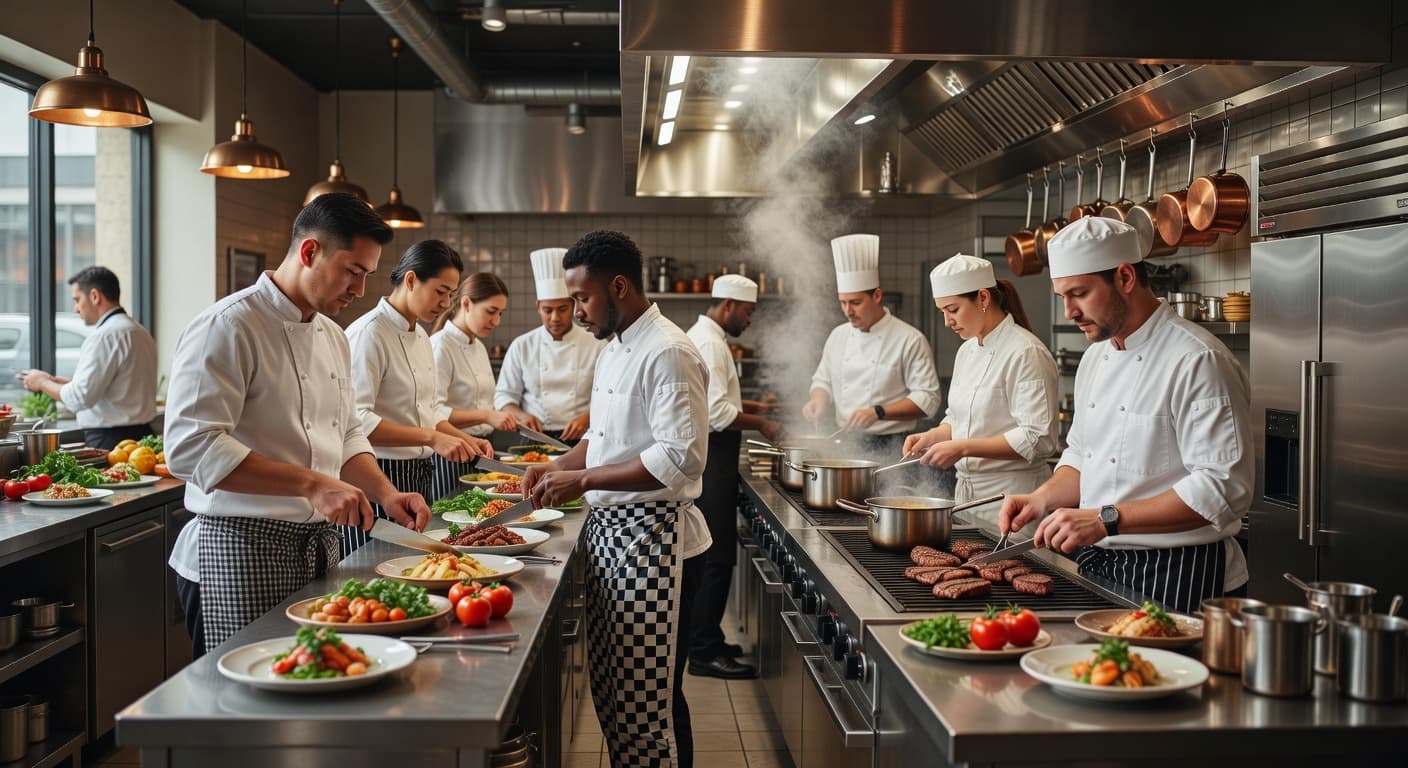
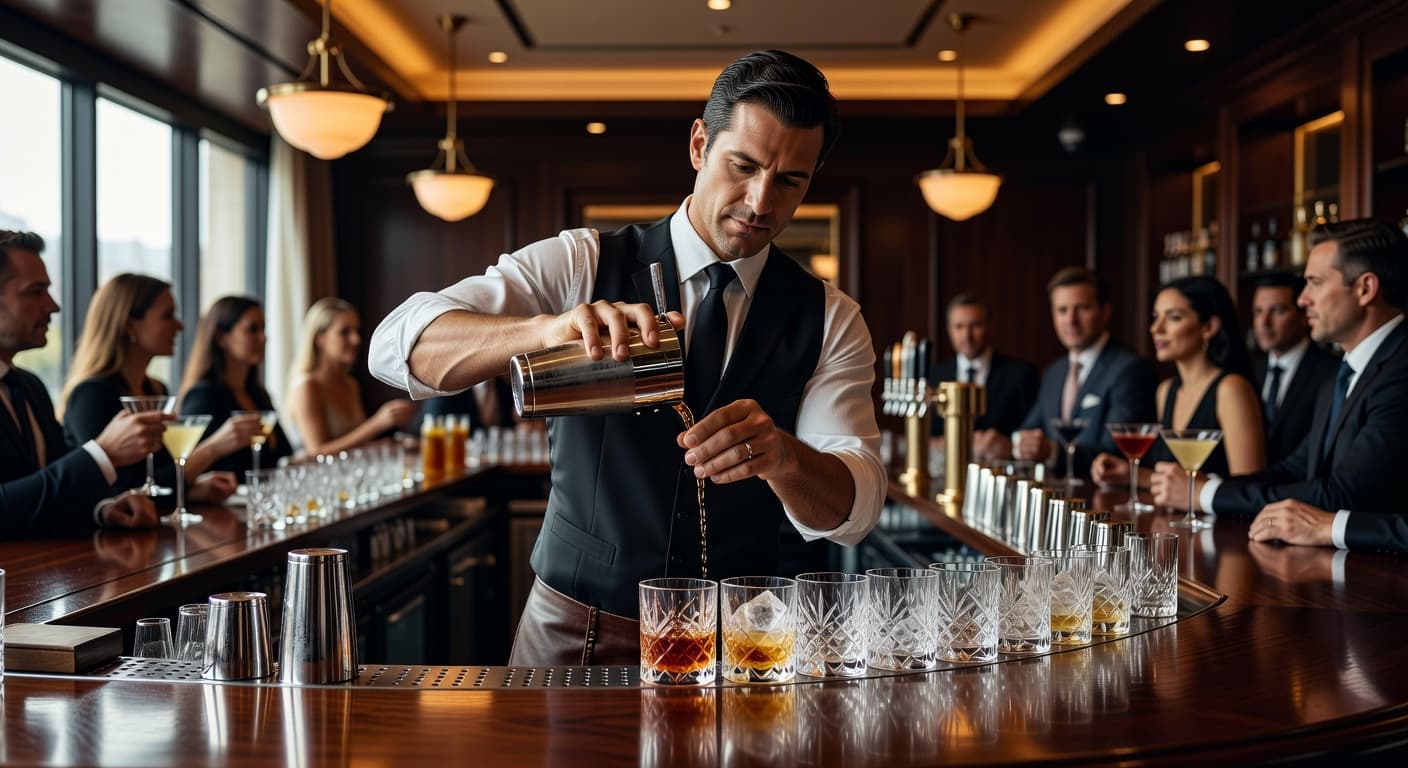
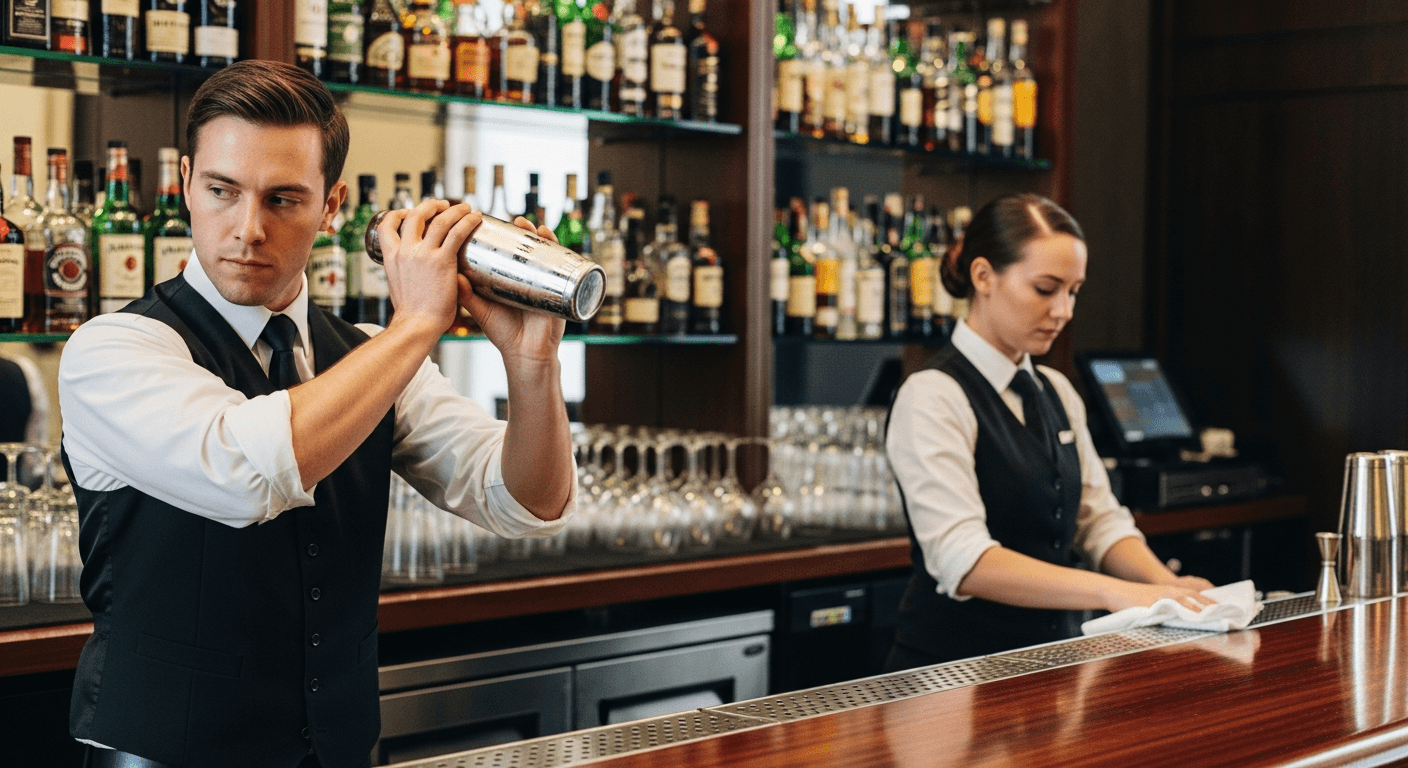
A French Quarter bar with late-night crowds and a Baton Rouge restaurant that serves wine with dinner face different alcohol service exposures, even though both need liquor liability insurance in Louisiana. One may need tighter review of assault and battery wording, security procedures, and closing-hour operations. The other may focus more on staff training, incident documentation, and how alcohol sales fit into a broader restaurant package.
Your policy review should match how you actually sell or serve alcohol, who checks IDs, whether you host private events, and how often your staff handles high-volume service. Lease terms, vendor agreements, and event contracts can also push you toward higher limits or specific endorsements before business starts. Louisiana buyers also benefit from checking policy language carefully instead of comparing only price. Two quotes can look similar until you review exclusions, defense treatment, sublimits, and whether the carrier wants details about entertainment, security, or off-premises service.
What Liquor Liability Insurance Covers
In Louisiana, the useful question is not whether you need this policy in the abstract. It is which alcohol-related scenarios your operation is most likely to create, and whether the form you are reviewing addresses them clearly. A neighborhood bar, a casino lounge, a wedding venue, and a caterer with temporary service all present alcohol exposure differently, so the wording deserves a line-by-line review.
Start with claims tied to alleged overservice, service to an underage patron, or service to an already impaired guest. Then look at how the policy may handle defense costs, settlements, and judgments, because that affects how much financial pressure stays with your business during a claim. If you use bouncers, door staff, DJs, live music, bottle service, or drink promotions, ask whether those operations change eligibility or trigger exclusions that narrow the protection you thought you were buying.
You should also review where alcohol is served. Some Louisiana businesses need a policy that can help cover banquet rooms, patios, festival booths, catered events, or service away from the main premises. Others need to coordinate it with general liability, hired and non-owned auto, commercial property, or workers' compensation so there are fewer gaps between policies when an incident involves multiple allegations. If your lease or event contract requires additional insured status, primary and noncontributory wording, or waiver language, raise that before binding. It is easier to structure the quote correctly at the start than to fix a policy after a venue owner, landlord, or event organizer rejects your certificate.
Bodily Injury Liability
Can help cover injuries an intoxicated patron causes to others after your business served or sold them alcohol.
Property Damage Liability
May pay for property damage caused by an intoxicated customer your establishment served, such as a car crash after leaving.
Assault & Battery
Can help cover claims arising from fights or physical altercations involving intoxicated patrons at your bar or restaurant.
Defense Costs
May pay for attorneys, court fees, and related legal expenses when your business is sued over an alcohol-related incident.

Host Liquor Liability
Can help cover alcohol-related claims from events where you host or serve drinks without selling them, like company parties.
Liquor Liability Insurance Requirements in Louisiana
- Louisiana venues that mix dining, live entertainment, and alcohol service should confirm the quote reflects all three operations. Omitted entertainment details can change eligibility or exclusions.
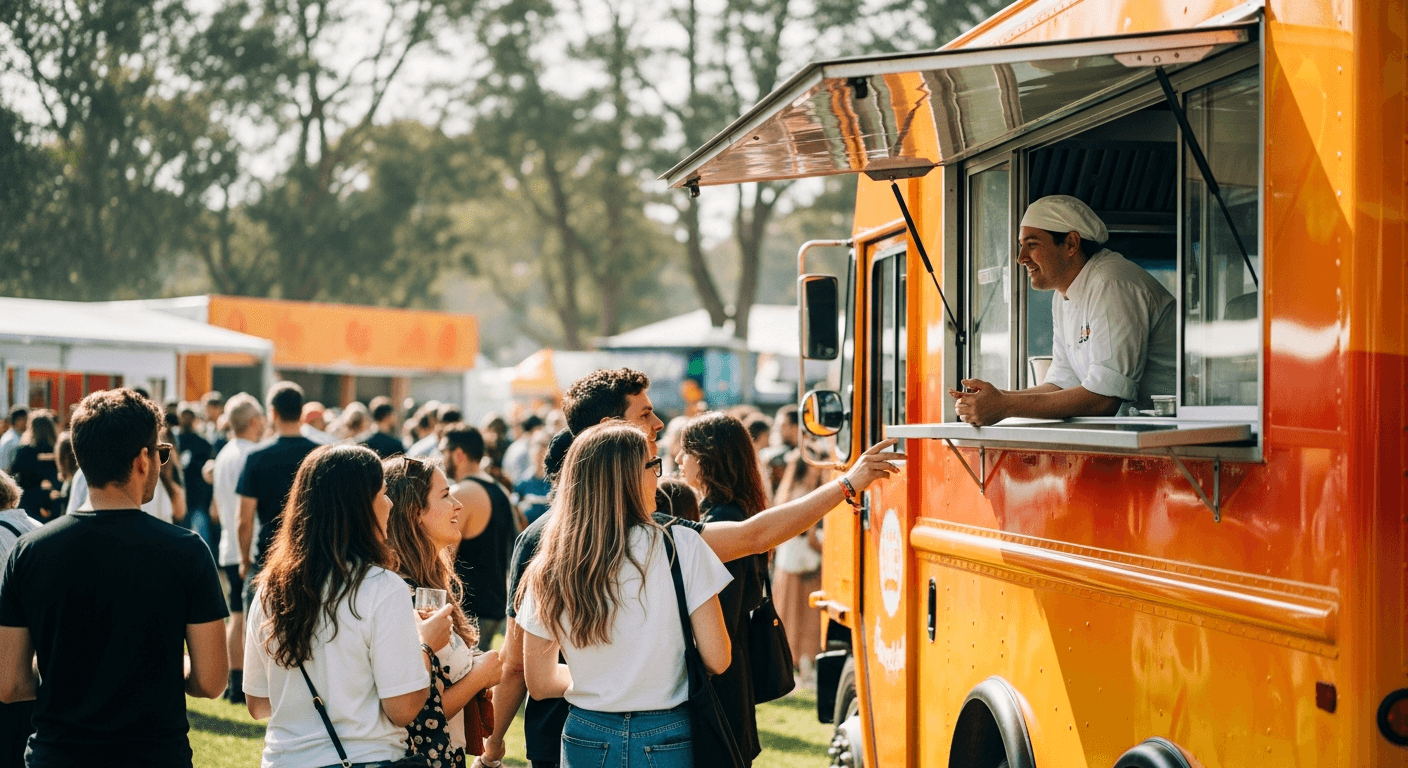
- If you serve alcohol at weddings, festivals, or catered functions away from your main location, ask whether off-premises service is contemplated before you rely on the certificate.
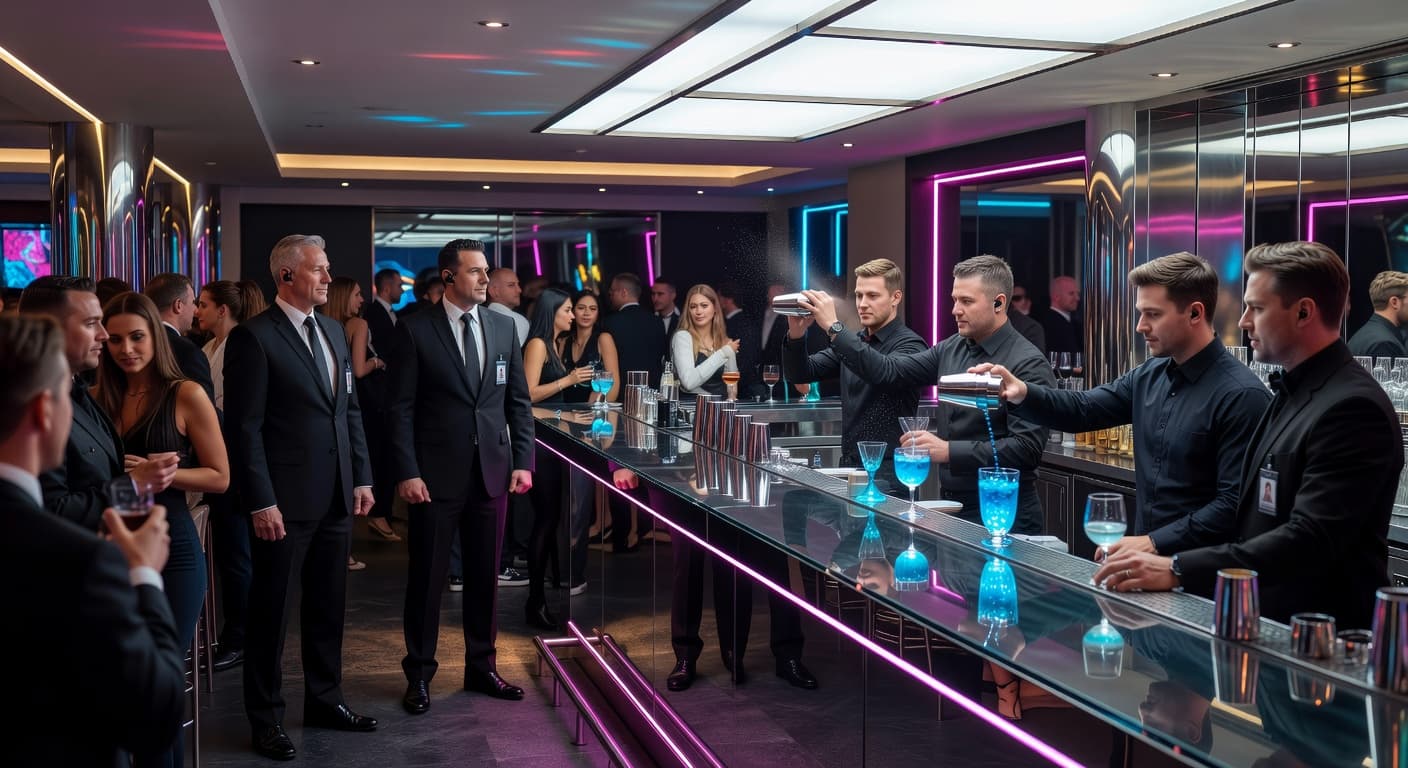
- Businesses with door staff or contracted security should review how the policy treats crowd-control incidents. That wording can shape claim handling after a late-night loss.
- Restaurants that only see moderate bar receipts should still separate alcohol revenue clearly on the application. Underwriters often price differently when service is incidental versus central.
How Much Does Liquor Liability Insurance Cost in Louisiana?
Average Cost in Louisiana
$65 - $230
per month
Businesses in Louisiana typically see liquor liability insurance premiums of $65 - $230 per month, which tends to run 2% above the national range of $50 - $240 per month.
- Share of sales that comes from alcohol
- Type of venue and how late you serve
- Server training and service procedures
- State dram shop law
- Liquor liability limits selected
- Prior over-service or assault claims
Contact CPK Insurance for a personalized quote.
For Louisiana buyers, liquor liability pricing works best as a factor review, not a shortcut. Many businesses see premiums from $65 to $230 per month, depending on alcohol receipts, hours of operation, entertainment, security controls, prior claims, limits, deductibles, and whether your business is primarily a bar, restaurant, venue, or special event operation. A restaurant with moderate alcohol sales and controlled table service tends to land at the lower end. A late-night spot with dance floors, promotions, and heavy weekend volume tends to land higher. Underwriters usually want to know how much of your revenue comes from alcohol, what types of drinks you sell, how late you stay open, and whether your staff follows written ID-checking and incident-reporting procedures.
Your quote can also change based on where and how you serve. Off-premises catering, temporary events, private parties, and multiple locations often require more underwriting detail. If you have prior cancellations, lapses, or liquor-related losses, expect closer review. Higher limits may be worth considering if a landlord, lender, or event contract sets minimum insurance requirements, but they can raise cost. Prepare clean numbers before you apply. That means projected alcohol sales, total sales, payroll, event count, closing times, and any loss runs. If your first quote comes back with restrictive terms, ask what operational changes, documentation, or alternate limits could improve the next option instead of assuming every market will view your risk the same way.
Prices shown are general estimates, not guaranteed rates or quotes. Your actual premium will depend on the insurer, coverage selected, business details, location, claims history, and other underwriting factors. Learn about our pricing methodology.
Request a Quote Comparison
Enter your ZIP code to compare liquor liability insurance rates from top carriers.
Business insurance starting at $25/mo
Who Needs Liquor Liability Insurance?
In Louisiana, this coverage usually deserves attention from any business whose operations go beyond incidental alcohol at a one-off office gathering. If alcohol sales or service are part of your revenue, guest experience, or event offering, you should review whether your current insurance program addresses that exposure directly. That often includes bars, restaurants, music venues, breweries, caterers, banquet halls, casinos, and event operators. It can also matter for businesses that do not think of themselves as alcohol-first operations, such as restaurants with strong bar receipts, wedding venues that include beverage service, or caterers that pour at off-site functions.
You may also need it because another party requires it. Landlords, festival organizers, distributors, and private event clients often want proof of liquor liability before they hand over keys, approve a booking, or sign a service agreement. If you wait until the week of an event, you may have fewer carrier options and less time to negotiate wording. Louisiana businesses should also keep the regulator in mind. The Louisiana Department of Insurance oversees carriers, complaint processes, and market conduct, so you should keep copies of quotes, applications, and certificates in case a dispute later turns on what you disclosed or requested.
Liquor Liability Insurance by City in Louisiana
Liquor Liability Insurance rates and coverage options can vary across Louisiana. Select your city below for localized information:
How to Buy Liquor Liability Insurance
Buying this coverage in Louisiana goes more smoothly when you build the submission around your actual alcohol operations instead of sending only basic business details. Start by listing every way alcohol enters your business, whether that is on-premises sales, table service, bar service, private events, catering, festival booths, happy hours, or package sales. Next, gather the documents that usually shape underwriting, including your current policy, prior loss runs if available, and any lease or contract insurance requirements. If you use security staff, scanners, wristbands, drink tickets, or written incident logs, include that information early because it can affect both eligibility and terms.
Then review the quote for substance, not just premium. If your business hosts private events, confirm whether certificates can be issued quickly enough for your booking schedule. Before binding, compare the application against your real operation one more time. Misstated alcohol receipts, omitted event activity, or incomplete answers about security can create problems later. Once the policy is issued, save the full form, endorsements, and certificate request process in one file so you can respond quickly when a landlord or event client asks for proof of coverage. Request a quote through CPK Insurance to compare your options with participating licensed providers.
How to Save on Liquor Liability Insurance
The most reliable way to lower liquor liability costs in Louisiana is to make your operation easier for an underwriter to understand and more defensible in a claim. Start with procedures you can document. Written ID-checking rules, staff training records, incident reports, and clear escalation steps for refusing service can all help your account present more consistently. If you use security, describe who they are, when they are present, and how incidents are logged. If you do not use security, be ready to explain what controls you use instead during busy hours or private events.
You can also save by matching limits and endorsements to real contract needs rather than buying broad wording you may not need. Review leases, venue agreements, and client contracts before renewal so you know which requests are mandatory and which are negotiable. If your operation changed during the year, such as fewer events, earlier closing, or lower alcohol receipts, update the application because old assumptions can keep your premium higher than necessary. Finally, ask for quotes early. Last-minute event requests and renewal scrambles reduce your ability to compare forms, negotiate terms, or correct underwriting details. A practical savings move is to prepare a renewal packet in advance with current sales figures, loss information, and operational updates, then compare options while there is still time to adjust deductibles, limits, or supporting documentation.
Our Recommendation for Louisiana
For Louisiana buyers, the smartest purchase decision usually comes from matching the policy to your service model, not from chasing the lowest premium. A late-night bar should press harder on exclusions, security expectations, and any wording that narrows coverage around fights or crowd-control incidents. A restaurant or venue with private events should spend more time on certificates, contract requirements, and whether off-premises or special-event service is clearly contemplated. Ask to see the full quote package before you bind, including the application summary, specimen wording if available, endorsements, and any subjectivities the carrier wants completed. If something in the quote assumes no entertainment, no security exposure, or no catered events, correct it before payment. A cheaper policy that misstates your operation can become expensive at claim time.
You should also review your liquor liability alongside general liability and auto-related exposures. If an alcohol-related incident leads to multiple allegations, gaps between policies can become the real problem.
FAQ
Frequently Asked Questions
Louisiana wedding venues often need a policy review when alcohol service is part of receptions or catered events, even if daily operations are not bar-focused. The key issue is how your contracts, service model, and off-premises or on-site event activity are presented to the carrier.
Louisiana bars and restaurants are usually priced differently because underwriters look at alcohol receipts, service style, hours, entertainment, security, and prior losses. A table-service restaurant and a late-night bar can present very different claim patterns, even in the same city.
Louisiana businesses often need the policy to line up with lease or event contract insurance terms before a landlord or venue accepts your certificate. Review additional insured requests, limit requirements, and event wording before binding so you do not have to rework coverage later.
Louisiana applicants usually get a more usable quote when they provide alcohol sales, total sales, payroll, hours, event details, prior losses, and current insurance documents up front. That helps the carrier price your actual operation instead of making conservative assumptions.
Louisiana caterers and restaurants can see different terms when alcohol is served away from the main premises. Off-site service, temporary events, and third-party venues should be disclosed early so the quote contemplates where and how alcohol is actually served.
Louisiana insurance buyers can look to the Louisiana Department of Insurance when they need oversight information while comparing insurers, billing practices, or complaint processes. For buying, keep your applications and policy forms in case a dispute later turns on documentation.
Louisiana nightclubs usually should press harder on exclusions because late hours, entertainment, security, and crowd conditions can affect how a carrier writes the account. A restaurant should still review wording carefully, but the operational pressure points are often different.
U.S. businesses that sell, serve, or distribute alcohol should review liquor liability insurance. That usually includes bars, restaurants, breweries, wineries, liquor stores, caterers, hotels, and event venues, especially when alcohol service is part of normal operations rather than an occasional event.
Sources
- 1.Louisiana Department of Insurance(The Louisiana Department of Insurance is the state insurance regulator.)
Updated July 16, 2026