
Updated July 16, 2026

Homeowners Insurance in New Orleans
Accommodation and food services lead the parish economy around New Orleans, with professional services close behind, so many homes here sit near restaurants, shops, short-term rental activity, and older mixed-use corridors where foot traffic, service vehicles, and renovation work are part of daily life. That changes how you review homeowners insurance in New Orleans. You are checking whether your dwelling limit, ordinance or law language, loss of use, and personal liability fit a house that may be older, more customized, and more expensive to rebuild than a basic replacement estimate suggests. The local housing stock also deserves a closer look because underinsuring the structure can leave a larger gap if repairs have to match existing materials or construction details. If your block sees frequent contractor access, deliveries, guest parking, or neighboring commercial activity, make sure any quote reflects that reality before renewal.
Louisiana has a very high climate risk rating. Top hazards: Hurricane (Very High), Flooding (Very High), Severe Storm (High), Tornado (Moderate). The state's expected annual loss from natural hazards is $4.8B, which influences homeowners insurance premiums and may affect coverage availability in high-risk areas.
What Homeowners Insurance Covers
In Louisiana, homeowners insurance is built around the same core protections as elsewhere, but the local details matter more because of hurricane exposure and separate flood rules. Dwelling coverage can help protect against covered losses to the structure of the home. In this state it should be sized to rebuild at current construction costs rather than market value. Louisiana's 2024 average dwelling coverage is $158,400, while the median home value is $198,000. That gap matters because dwelling limits should reflect rebuild costs, not what the home would sell for. In practical terms, you may need more or less coverage than the sale price suggests, so base your limits on a current rebuild estimate.
Personal property coverage helps replace belongings inside the home, and many homeowners use a limit tied to a percentage of dwelling coverage. If a covered loss leaves you temporarily displaced while repairs are underway, additional living expenses coverage can help with those costs. Other structures coverage can apply to detached garages, sheds, or similar structures. Medical payments coverage may help with smaller guest injury claims, depending on the policy.
Louisiana-specific exclusions and options matter. Standard homeowners policies exclude flood damage, so flood insurance is purchased separately through NFIP or a private flood market. Wind and hurricane deductibles may also apply separately in coastal areas, which can change how much you pay out of pocket after a storm. The Louisiana Department of Insurance regulates the market, so endorsements and policy wording can vary by carrier and location.
Coverage Included

Dwelling
Repairs or rebuilds your home itself, the walls, roof, floors, built-in appliances, and attached structures like a garage, after a covered loss. Set this limit to the full cost of rebuilding, not market value.
Other Structures
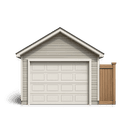
Detached structures on your property, such as a fence, shed, detached garage, or gazebo. Usually set at about 10 percent of your dwelling limit [2].

Personal Property
Your belongings, furniture, clothing, electronics, and appliances, generally written at 50 to 70 percent of your dwelling limit [2]. High-value items like jewelry and art carry special limits.

Additional Living Expenses
Also called loss of use. Pays your added living costs, hotel stays, meals, and a temporary rental, while a covered loss makes your home uninhabitable. Usually set at about 20 percent of your dwelling limit.

Liability
Covers you if someone is injured on your property, or you damage someone else's property, and you are found responsible. The standard $100,000 limit [2] is often raised to $300,000 or $500,000.

Medical Payments
Pays small medical bills, commonly $1,000 to $5,000, if a guest is hurt at your home regardless of fault, without a formal liability claim.
Homeowners Insurance Cost in New Orleans
Average Cost in Louisiana
$210 - $550
per month
In Louisiana, homeowners insurance premiums typically run $210 - $550 per month, which tends to run 111% above the national range of $110 - $250 per month.
- Home replacement cost, age, and construction type
- Roof age, material, and condition
- ZIP code and local weather risk (wind, hail, wildfire, hurricane)
- Coverage limits and endorsements
- All-peril and percentage wind/hail deductibles
- Claims history and insurance score where allowed
Typical range for many standard homeowners profiles; lower-risk homes fall below it and coastal, wildfire, or older-roof homes can run well above. Final pricing depends on property details, location, underwriting, and selected coverage.
Prices shown are general estimates, not guaranteed rates or quotes. Your actual premium will depend on the insurer, coverage selected, personal details, location, claims history, and other underwriting factors. Learn about our pricing methodology.
Louisiana homeowners insurance cost is shaped by weather exposure, rebuilding costs, and local underwriting rather than by home size alone. Compared with a national average of $165, the average premium range in the state runs from about $210 to $550 per month. That spread reflects differences in home age, roof material, deductible choices, claims history, and how close the property is to hurricane- and flood-prone areas.
Louisiana rates generally run well above the national baseline. Carriers price more cautiously here after major events such as Hurricane Ida and the 2024 spring flooding declarations. Coastal and low-lying homes often face stronger wind and hurricane deductible treatment, while homes farther inland may still see elevated pricing because severe storms are common statewide.
Roof age and material have a moderate impact, as do credit-based insurance scores and claims history. Home security features and building code upgrades can help at the margin, but they are lower-impact rating factors. With hundreds of active insurance companies in the market, quotes can differ significantly, so a personalized quote is more useful than relying on a statewide average.
What Affects Homeowners Insurance Rates in New Orleans
Local affordability changes the buying decision here. New Orleans has a median household income of $55,339 and a median home value that sits well above that income level, so the gap between what a household earns and what it may need to repair or rebuild is large enough that deductible choices, dwelling limits, and optional endorsements deserve a line-by-line review. That does not mean you should simply buy less coverage to lower the premium. It means you should pressure-test the parts of the policy that create the biggest out-of-pocket swing after a loss: whether the dwelling amount still tracks current rebuilding assumptions, whether personal property limits fit what you actually own, and whether loss of use would carry you through a meaningful displacement. Before you request a quote, gather your current declarations page, any recent renovation details, and a rough inventory of higher-value items so the comparison is based on your real exposure instead of a generic template.
What Makes New Orleans Different
Older, higher-character housing near active commercial corridors is the main thing that changes the calculus here. In the county containing New Orleans, accommodation and food services account for 16.7% of establishments, professional, scientific, and technical services 16.5%, and retail trade 13%, which means roughly one in six local businesses is a restaurant, bar, or hotel and another one in six is a professional office. For a homeowner, that means your block may see more foot traffic, deliveries, and renovation noise than a typical suburban street. Homes near mixed-use streets or busy neighborhood nodes can face more frequent deliveries, parking pressure, nearby renovation cycles, and guest activity than a purely residential subdivision. If your house sits in a neighborhood where residential and commercial activity overlap, ask for a quote built around that pattern instead of assuming a standard owner-occupied profile fits cleanly.
Our Recommendation for New Orleans
Start with the dwelling limit, because getting replacement cost right matters more than shaving the premium. If your home has older construction details, custom finishes, detached structures, or updates completed in phases, ask how the dwelling amount was estimated and what assumptions sit behind it. From there, walk through each coverage section against your actual property layout, including ordinance or law provisions, water damage language, loss of use, and personal liability. If you host guests often, live near busy neighborhood retail, or have regular contractor activity on the block, higher liability limits may be worth pricing. The same goes for inherited features, specialty materials, or recent upgrades, so make sure those details are reflected before you compare quotes. Keep your last declarations page, inspection notes, and renovation receipts ready, since documentation helps ensure the quote reflects the real house. If anything about occupancy, short-term use, or home-based business activity has changed, disclose it now rather than finding out after a claim that the policy was rated on the wrong profile.
Get Homeowners Insurance in New Orleans
Enter your ZIP code to compare homeowners insurance rates from carriers in New Orleans, LA.
Home insurance starting at $50/mo
FAQ
Frequently Asked Questions
New Orleans has a median home value of $296,400, so a small error in dwelling limits can translate into a much larger uninsured repair gap. Look at how each quote calculates replacement assumptions, not just the premium number.
Houses on mixed-use blocks tend to see more guest traffic, tighter parking, and occasional liability questions that a purely residential street would not. Mention that setting up front so the quote reflects your actual conditions.
Orleans Parish has 9,958 business establishments, which puts a notable share of homes within a few blocks of active service and retail corridors. That density is a practical reason to review liability limits, detached structures, and any home-use details before binding coverage.
Bring the current declarations page, renovation records, roof and system update dates, and a list of higher-value belongings. Those documents let the quote reflect the real house instead of a generic replacement template.
Louisiana homeowners can take unresolved insurance complaints to the Louisiana Department of Insurance. That agency is your recourse if a dispute goes unresolved, though the best protection is making sure your quote and application accurately describe occupancy, updates, and any special property features from the start.
It can help cover dwelling, personal property, liability, additional living expenses, other structures, and sometimes medical payments, but the exact policy wording varies by carrier and address. In Louisiana, you should also check how the policy handles wind and hurricane deductibles before you buy.
Many quotes vary widely, with a typical range from $210 to $550 per month. Your quote can change based on roof age, claims history, location, deductible choices, and endorsements.
Lenders usually require active homeowners coverage if the property secures a mortgage. They may also require proof that dwelling coverage is enough to protect the loan and the home's rebuild value.
Sources
- 1.U.S. Census Bureau, ACS 5-Year Estimates, table B19013(New Orleans has a median household income of $55,339 and a median home value that sits well above that income level, so the gap between what a household earns and what it may need to repair or rebuild is large enough that deductible choices, dwelling limits, and optional endorsements deserve a line-by-line review.)
- 2.U.S. Census Bureau, County Business Patterns, Orleans Parish(In the county containing New Orleans, accommodation and food services account for 16.7% of establishments, professional, scientific, and technical services 16.5%, and retail trade 13%, so many residential blocks operate close to restaurants, storefronts, offices, and steady vendor traffic.; Orleans Parish has 9,958 business establishments, so many residential areas sit close to active service and retail corridors.)
- 3.U.S. Census Bureau, ACS 5-Year Estimates, table B25077(New Orleans has a median home value of $296,400, so a small error in dwelling limits can translate into a much larger uninsured repair gap.)
- 4.Louisiana Department of Insurance(Louisiana homeowners can take unresolved insurance complaints to the Louisiana Department of Insurance.)
Updated July 16, 2026