







































Updated July 5, 2026

Inland Marine Insurance in New Orleans
Space costs shape inland marine insurance in New Orleans because replacing mobile equipment, stocked materials, or customer property can strain a budget fast when margins are already tight. With a median household income of $55,339, many local buyers are balancing deductible tolerance against the real cost of replacing what travels between jobs, events, kitchens, studios, and client sites. That is why inland marine insurance in New Orleans is less about buying the broadest form on paper and more about setting limits that match the values you actually move. If your crews stage gear in the Warehouse District, deliver inventory near the French Quarter, or carry tools between Uptown service calls, a low blanket limit can leave a gap exactly where your property is most exposed, while an unnecessarily high deductible can slow recovery after a loss. Start by listing your highest-value items by job type, then separate owned equipment, rented items, and customer property so your quote reflects what is really in transit or off premises during a normal week.
Inland Marine Insurance Risk Factors in New Orleans
New Orleans changes the risk conversation because property often moves through dense commercial blocks, event-heavy corridors, and short-hop routes where equipment is loaded, unloaded, and staged repeatedly. For inland marine, that handling pattern matters as much as the destination. A caterer moving warming cabinets and beverage equipment, a consultant carrying specialized electronics, or a contractor shifting tools between service stops can all have the same problem: values accumulate outside the main premises before anyone notices the total. The practical review here is operational. Check whether your peak property values happen during delivery windows, festival and event setups, or multi-stop service days. Then compare those peak values against any per-item, per-scheduled-item, or unnamed property limits in your quote. If you ever leave materials or equipment at a client location overnight, ask how temporary storage is treated and whether separate classes of property should be scheduled instead of grouped together.
Louisiana has a very high climate risk rating. Top hazards: Hurricane (Very High), Flooding (Very High), Severe Storm (High), Tornado (Moderate). The state's expected annual loss from natural hazards is $4.8B, which influences inland marine insurance premiums and may affect coverage availability in high-risk areas.
What Inland Marine Insurance Covers
Inland marine insurance is designed for business property that is mobile, installed away from your main location, or in transit over land. That includes tools, equipment, building materials, goods being shipped, and other mobile business property that may be offsite. For many buyers, the most relevant pieces are tools and equipment coverage, goods in transit coverage, contractors equipment coverage, installation floater coverage, and builders risk coverage.
This coverage matters because a standard commercial property policy usually can help protect against covered losses for items at a fixed address, while inland marine follows covered property as it moves. In Louisiana, that distinction is especially important in places exposed to hurricanes, flooding, and severe storms. Businesses may relocate materials, stage equipment offsite, or store items temporarily while projects are delayed. Your policy can respond to theft, damage, vandalism, and other covered perils while property is away from the primary business location.
Louisiana does not have a state-mandated inland marine minimum, and requirements vary by industry and business size. Because the LDOI regulates the market, endorsements, limits, deductibles, and covered property schedules should be checked line by line. If you work offsite or move property between cities, the policy should be matched to those locations and exposures rather than to a single storefront address.
Coverage Included
Tools & Equipment
Can help repair or replace hand tools, power tools, and gear that are stolen or damaged on the job or in transit.

Goods in Transit
May cover products, materials, and merchandise while they are being shipped or hauled between locations in your care.
Contractors Equipment
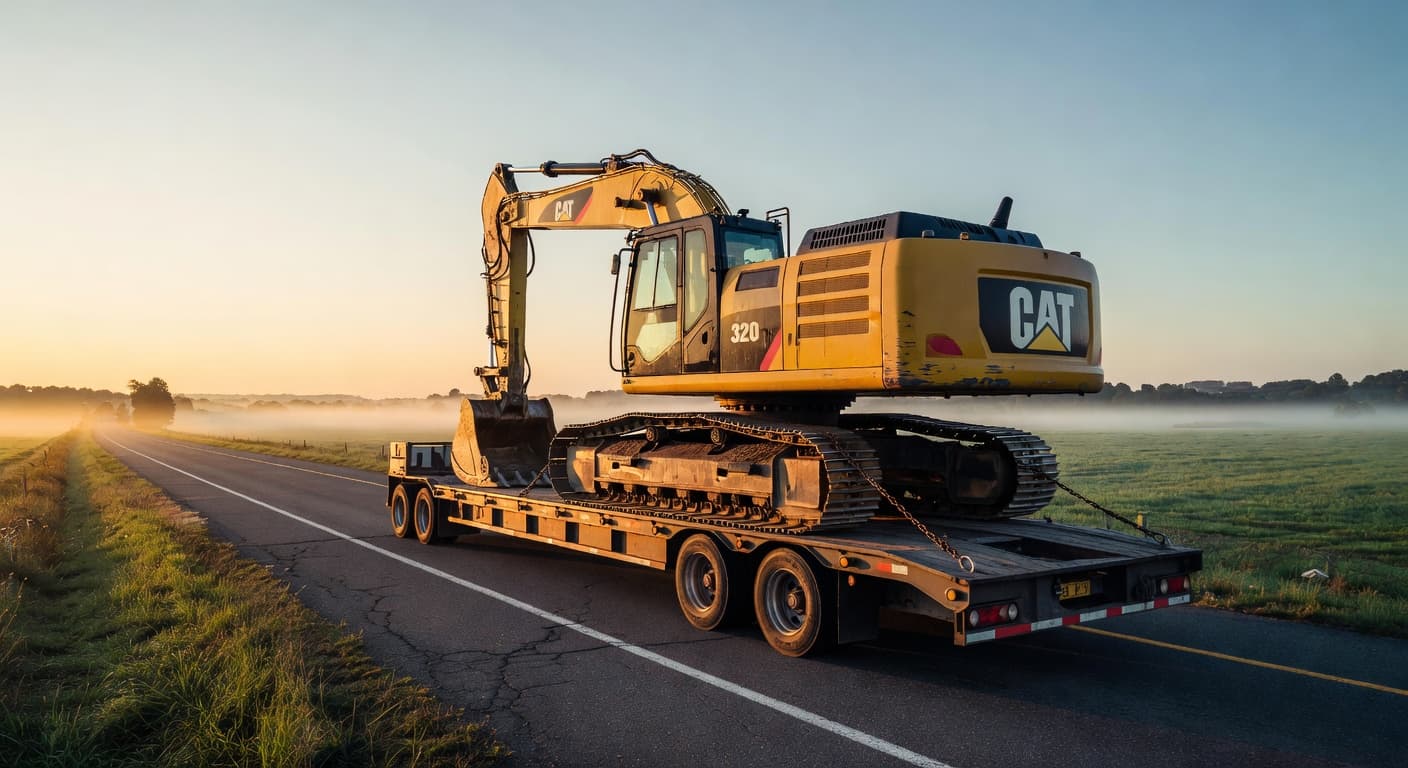
Typically covers heavy machinery like excavators, loaders, and generators against theft or damage at job sites and between them.

Installation Floater
Can help cover materials and fixtures from the moment you buy them until they are installed and accepted at a project.

Builders Risk
May cover a structure under construction, along with materials on site, against damage from fire, wind, theft, and vandalism.
Inland Marine Insurance Cost in New Orleans
Average Cost in Louisiana
$35 - $130
per month
Businesses in Louisiana typically see inland marine insurance premiums of $35 - $130 per month, which tends to run 38% above the national range of $20 - $100 per month.
- Total insured value of the scheduled property
- Type and age of the equipment
- Where it is stored and how far it travels
- Jobsite security and theft prevention
- Per-item limits and deductibles
- Prior theft and in-transit losses
Contact CPK Insurance for a personalized quote.
Prices shown are general estimates, not guaranteed rates or quotes. Your actual premium will depend on the insurer, coverage selected, business details, location, claims history, and other underwriting factors. Learn about our pricing methodology.
The average premium range for inland marine insurance in Louisiana is $35 to $130 per month, which is above the national average market level. Coverage limits and deductibles are major drivers, along with claims history, location, industry risk profile, and policy endorsements.
Severe weather exposure can push premiums upward because mobile property may be exposed during storms. The property crime rate is 3,020 per 100,000 residents. That means roughly 1 in 33 people here experience property crime in a given year, so securing your equipment offsite is a practical necessity, not just a precaution. Construction is one of the state's major industries, and businesses in that sector often need higher scheduled values for tools, materials, and contractors equipment, which can increase cost.
The market is competitive, with many active carriers writing business here. That competition can create meaningful quote variation, so comparing options from multiple carriers is important. Businesses with tighter schedules, lower deductibles, safer storage practices, and well-documented equipment inventories may see more favorable pricing than those with frequent losses or high-value mobile property.
Industries & Insurance Needs in New Orleans
Orleans Parish has 9,958 business establishments, and the leading sectors by establishment share are accommodation and food services at 16.7%, professional, scientific, and technical services at 16.5%, and retail trade at 13%. That mix matters for inland marine because a large share of local businesses depend on property that leaves the premises: catering gear, event equipment, portable electronics, display inventory, tools, and client property moving between locations. So a quote here should start with how your property travels, not just what sits at your main address. If you operate in hospitality, retail, or professional services, map your busiest week, not your average day. Include pop-up events, off-site service calls, deliveries, and any property kept in vehicles or at temporary locations. That gives you a more realistic basis for limits, item scheduling, and deductible choices than a premises-only property review.
What Makes New Orleans Different
Handling concentration is what changes the calculus here. In many places, inland marine exposure is mostly about distance traveled. Locally, the bigger issue is how often property is transferred between storage, vehicles, sidewalks, service entrances, customer spaces, and temporary setups in a compact operating area. That repeated handoff can create losses that are easy to underestimate because each stop feels routine and close by. The result is that buyers often focus on transit, but the real underwriting conversation should include loading, unloading, staging, and short-term off-premises storage. If your business works events, deliveries, mobile services, or multi-site jobs, build your application around those moments. Identify who has custody of the property, where it sits between stops, and the highest total value outside your main location at one time. That is usually the point where limits, scheduling, and deductible structure need the closest review.
Our Recommendation for New Orleans
Start your review with a property movement worksheet, not a generic equipment list. Note the items that leave your premises every week, the highest combined value out at one time, and whether those items are owned, rented, borrowed, or belong to a customer. Then ask for quote options that separate scheduled high-value items from lower-value miscellaneous property, because that can make limits easier to match to real operations. If you serve hotels, restaurants, retailers, or professional clients, check whether your busiest periods create temporary spikes in property values off premises. Those spikes are often where underinsurance shows up. It is also worth asking how the policy treats property at client sites, in transit between short local stops, and in temporary storage before pickup or installation. Bring your current inventory list, recent job schedule, and any rental agreements to a free, no-obligation quote review so the policy can be matched to how your property actually moves.
Get Inland Marine Insurance in New Orleans
Enter your ZIP code to compare inland marine insurance rates from carriers in New Orleans, LA.
Business insurance starting at $25/mo
FAQ
Frequently Asked Questions
New Orleans buyers should set limits around the highest value you have away from your main location at one time, not just the average load. If your property stacks up during deliveries, event setups, or multi-stop service days, ask for limits built around that peak exposure.
Orleans Parish has 9,958 business establishments, with accommodation and food services at 16.7%, professional services at 16.5%, and retail at 13%, so many local firms move equipment, stock, or client property off premises. That makes property movement patterns worth documenting before you quote.
New Orleans operations can create inland marine exposure even on short routes because loading, unloading, staging, and temporary off-site storage all increase the amount of property outside your premises. Review your busiest event or delivery day, then compare that total against your proposed limit.
New Orleans professional firms may need inland marine when they carry specialized electronics, instruments, or client property to meetings, installations, or service calls. If valuable items regularly leave the office, ask whether they should be scheduled individually instead of grouped under a small blanket limit.
New Orleans buyers often do better by matching the deductible to what the business can absorb quickly after a loss, especially in a market where the median household income is $55,339. If a higher deductible would delay replacing essential gear, test a lower option in your quote.
It is designed for mobile business property such as tools, equipment, building materials, and shipped goods while they are away from your main location. If your tools are sitting in a truck overnight or your materials are staged at a customer site, this coverage can help protect them.
It follows covered property when it is stored offsite, which helps fill the gap left by a fixed-location commercial property policy. So if your equipment is staged at a Louisiana job site or in temporary storage, your policy can respond to covered perils there.
Contractors, electricians, plumbers, landscapers, installers, and businesses that ship goods or hold customer property are common Louisiana buyers because they move property regularly.
Sources
- 1.U.S. Census Bureau, ACS 5-Year Estimates, table B19013(With a median household income of $55,339, many local buyers are balancing deductible tolerance against the real cost of replacing what travels between jobs, events, kitchens, studios, and client sites.)
- 2.U.S. Census Bureau, County Business Patterns, Orleans Parish(Orleans Parish has 9,958 business establishments, and the leading sectors by establishment share are accommodation and food services at 16.7%, professional, scientific, and technical services at 16.5%, and retail trade at 13%.)
Updated July 5, 2026





