Updated July 5, 2026

On-Hook Towing Insurance in New Orleans
Density is the sharpest difference here: your truck is more likely to pick up, move, and store customer vehicles in a tight urban service area where parking pressure, event traffic, hotel loading zones, and narrow access points can turn a routine tow into a higher-friction handoff. That is why on-hook towing insurance in New Orleans should be reviewed around how your operators actually work, not just how many trucks you run. A local account often includes short-distance relocations, private property impounds, garage-to-garage moves, and roadside calls where the exposure is less about mileage and more about transfer points, documentation, and vehicle condition disputes. Orleans Parish has 9,958 business establishments, so commercial accounts, property managers, restaurants, and retailers can create steady demand for fast towing response and equally fast proof of coverage before they send work your way. If your book includes downtown lots, hospitality corridors, or mixed-use properties, ask for a quote that matches your real dispatch pattern, after-hours activity, storage setup, and the kinds of vehicles you most often take into your care.
On-Hook Towing Insurance Risk Factors in New Orleans
New Orleans changes the on-hook conversation because many losses start at the scene, not on the highway. Tight alleys, crowded curb lanes, valet areas, apartment garages, and event-related congestion can increase the chance of scrape claims, loading damage allegations, or disagreements about pre-existing condition. State-level hazard exposure also matters here, especially if your operation handles post-storm recoveries, flooded vehicles, or relocations from damaged properties. That does not mean every local tow needs the same setup. It means your quote should be built around where your drivers hook up vehicles, how often they tow from constrained spaces, whether you move higher-value units for hotels or dealers, and how you document condition before winching, loading, and transport. If your dispatches spike during severe weather or property evacuations, review whether your **limits, deductibles, and operating procedures** still fit the work you actually accept.
Louisiana has a very high climate risk rating. Top hazards: Hurricane (Very High), Flooding (Very High), Severe Storm (High), Tornado (Moderate). The state's expected annual loss from natural hazards is $4.8B, which influences on-hook towing insurance premiums and may affect coverage availability in high-risk areas.
What On-Hook Towing Insurance Covers
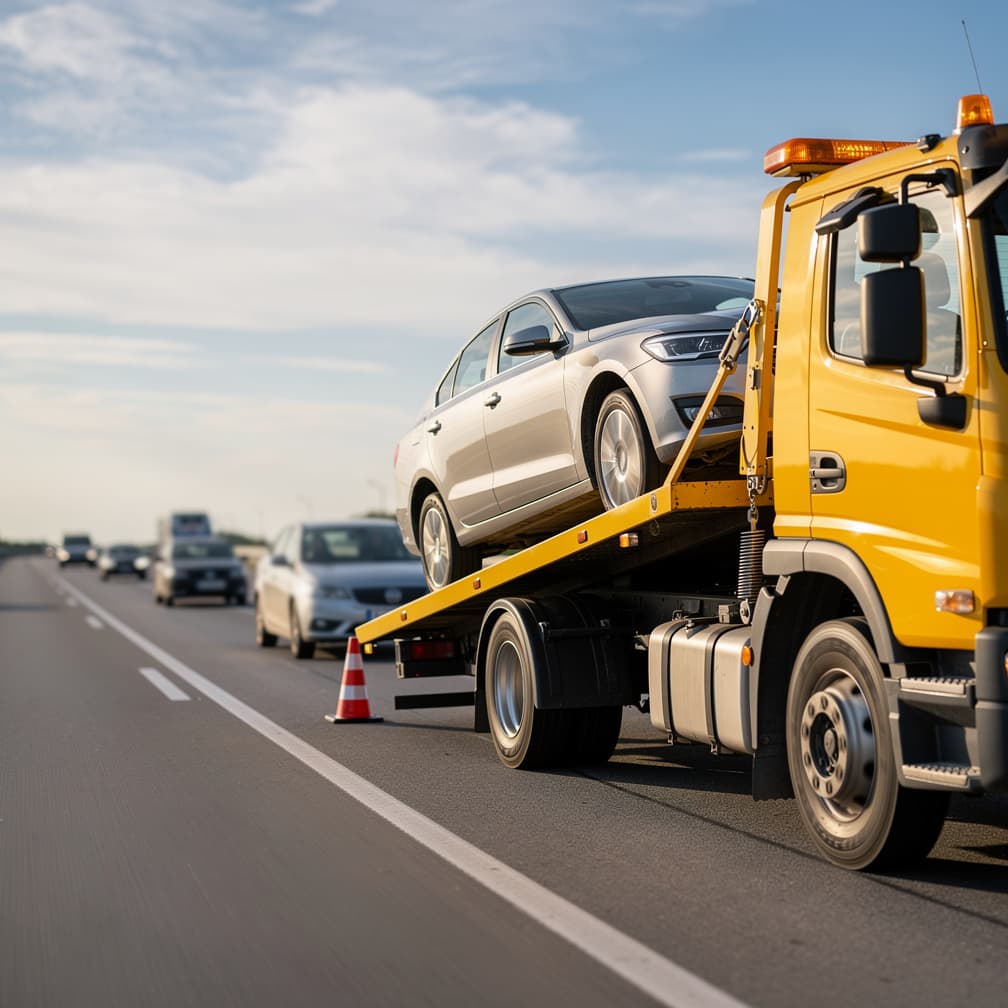
On-hook coverage responds when a customer's vehicle is damaged while attached to your truck, loaded on your bed, or being moved by your equipment. A tow company working urban accident scenes, apartment impounds, highway breakdowns, and storm-related recoveries can create very different damage scenarios even in the same week. You should review the points where a customer vehicle is most exposed during your operation: hookup angle, winching path, bed loading, wheel-lift securement, transport over uneven pavement, and unloading at the drop location.
State conditions matter here because weather can change the severity of a claim. Heavy rain and flooding can leave vehicles partly submerged, stuck in soft shoulders, or positioned where visibility and traction are poor. If your crews handle those calls, ask for a quote built around recovery-style exposures rather than a cleaner dealer-transfer profile. If you move low-clearance vehicles, motorcycles, luxury units, or commercial vans, say so up front, because the handling method and potential damage pattern are different.
Take a close look at how your policy fits with the rest of your insurance structure. A buyer in Louisiana usually wants to confirm which trucks perform towing, whether every unit is scheduled correctly, how after-hours dispatch is handled, and whether subcontracted work changes who has care, custody, or control at the time of loss. If your operation crosses parish lines regularly, note that in the application so the underwriter sees your true operating pattern. Before you compare quotes, build a service-by-service vehicle list.
Coverage Included

Collision on Hook
Covers damage to towed vehicles from collisions during transport.
Comprehensive on Hook
Covers theft, fire, and weather damage to vehicles being towed.
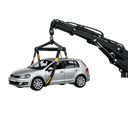
Loading & Unloading
Covers damage during the process of loading and unloading vehicles.

Winching Coverage
Covers damage to vehicles during winching and recovery operations.

Multiple Vehicle
Covers all vehicles on multi-car carriers and rollback flatbeds.
Industries & Insurance Needs in New Orleans
Hospitality-heavy demand is the local business difference that can change who sends you work and how quickly they expect paperwork. In Orleans Parish, accommodation and food services account for 16.7% of establishments, professional, scientific, and technical services 16.5%, and retail trade 13%. That mix matters because hotels, restaurants, garages, retailers, and commercial property operators often need towing vendors who can respond quickly, document vehicle custody clearly, and provide clean certificates before a relationship starts. If part of your revenue comes from private property towing, commercial accounts, or vendor lists tied to busy customer-facing locations, your on-hook review should focus on the classes of vehicles you handle, after-hours dispatch volume, and whether your policy details match the contracts you are asked to sign. A mismatch can slow onboarding even before a claim issue appears.
What Makes New Orleans Different
Urban handoff risk is what changes the calculus here. In many parts of the state, buyers focus first on distance, road conditions, or occasional recovery work. Here, the bigger underwriting question is often what happens during pickup, loading, relocation, and release in dense commercial areas where multiple parties may be involved and the customer is quick to challenge damage, timing, or authorization. That makes operational detail more important on your application. If you tow for apartments, hotels, restaurants, event venues, or private lots, describe that work plainly. If you perform short relocations more often than long transports, say so. If your drivers regularly enter garages, alleys, or restricted access properties, include that too. The goal is not to make the account sound broader than it is. The goal is to make sure the quote reflects the real custody exposures that drive on-hook claims and contract review here.
Our Recommendation for New Orleans
Start with your dispatch mix from the last few months and separate police rotation work, private property impounds, roadside assistance, dealer moves, and commercial account towing. That breakdown helps an agent test whether your current on-hook setup matches the vehicles and situations that create the most claim friction locally. Next, review how your drivers document condition at pickup, especially for tight-space tows, after-hours removals, and vehicles with existing body damage. Clear photos, timestamps, and release procedures can matter as much as limits when a dispute starts. If you serve hotels, retail sites, apartments, or mixed-use properties, compare your insurance details against the vendor requirements those accounts send over. Ask whether your territory, truck schedule, storage exposure, and deductible still fit the work you are actually accepting. If any part of your operation has shifted toward denser commercial towing, request a fresh quote before renewal rather than assuming the old setup still fits.
Get On-Hook Towing Insurance in New Orleans
Enter your ZIP code to compare on-hook towing insurance rates from carriers in New Orleans, LA.
Business insurance starting at $25/mo
FAQ
Frequently Asked Questions
New Orleans towing often involves short moves in crowded commercial areas, garages, and private lots, where loading and release disputes can matter more than mileage. That is why your quote should match your actual pickup environments, vehicle types, and documentation process.
New Orleans private property operators should describe who dispatches the tow, where vehicles are picked up, whether access is tight or gated, and how condition is documented before loading. Those details help the quote reflect the custody risk you actually take on.
Orleans Parish has 9,958 business establishments, so commercial vendors and property operators can expect fast certificates and clear policy details before assigning work. If commercial towing is part of your book, review your policy setup against those account requirements.
Orleans Parish is led by accommodation and food services at 16.7% of establishments, so towing tied to hotels and restaurants can be a meaningful part of local demand. If you serve those accounts, review after-hours dispatches, access constraints, and vehicle handoff procedures.
New Orleans operators who take post-storm calls should review whether their current setup still fits flooded vehicles, damaged-property pickups, and temporary surges in dispatch volume. Severe weather can change the kinds of vehicles you handle and how claims develop after pickup.
Yes, you should disclose that work clearly during quoting. An underwriter pricing flood recovery work wants specifics: water depth, typical vehicle condition at pickup, and whether your drivers have winch training for soft-ground extractions. A generic roadside-towing description will not capture that exposure.
Submit identical information to each market so the differences show up in coverage terms and underwriting appetite, not in the data you provided. That means the same driver roster, equipment list, service mix, and loss history across every quote.
The Louisiana Department of Insurance regulates policy forms and provides state insurance oversight. Use that as a reminder to review your declarations and endorsements carefully before binding.
Sources
- 1.U.S. Census Bureau, County Business Patterns, Orleans Parish(Orleans Parish has 9,958 business establishments, so commercial accounts, property managers, restaurants, and retailers can create steady demand for fast towing response and equally fast proof of coverage before they send work your way.; In Orleans Parish, accommodation and food services account for 16.7% of establishments, professional, scientific, and technical services 16.5%, and retail trade 13%.)
Updated July 5, 2026