Updated July 16, 2026

Dealer Open Lot Insurance in Shreveport
Space cost is the first local filter that shapes how independent dealers operate in Shreveport. With median household income at $48,465, buyers here tend to shop for value-priced transportation, which means your inventory mix likely skews toward affordable units rather than luxury stock. Many dealers here work hard to keep monthly occupancy and carrying costs in line, which usually pushes a practical conversation about how much inventory you leave outside and what deductible you can absorb after a loss. A lean lot setup can still create a large concentration problem if several higher-value vehicles sit in one fenced area overnight. If you use a smaller footprint near major retail corridors or split overflow between a main display row and a secondary storage address, ask for the quote to be built around your actual maximum values on each site, not a rough annual average. You should also make sure the deductible you choose is one your business can actually pay from operating cash, because a figure that looks efficient on paper can become a strain if multiple units are damaged at once.
Dealer Open Lot Insurance Risk Factors in Shreveport
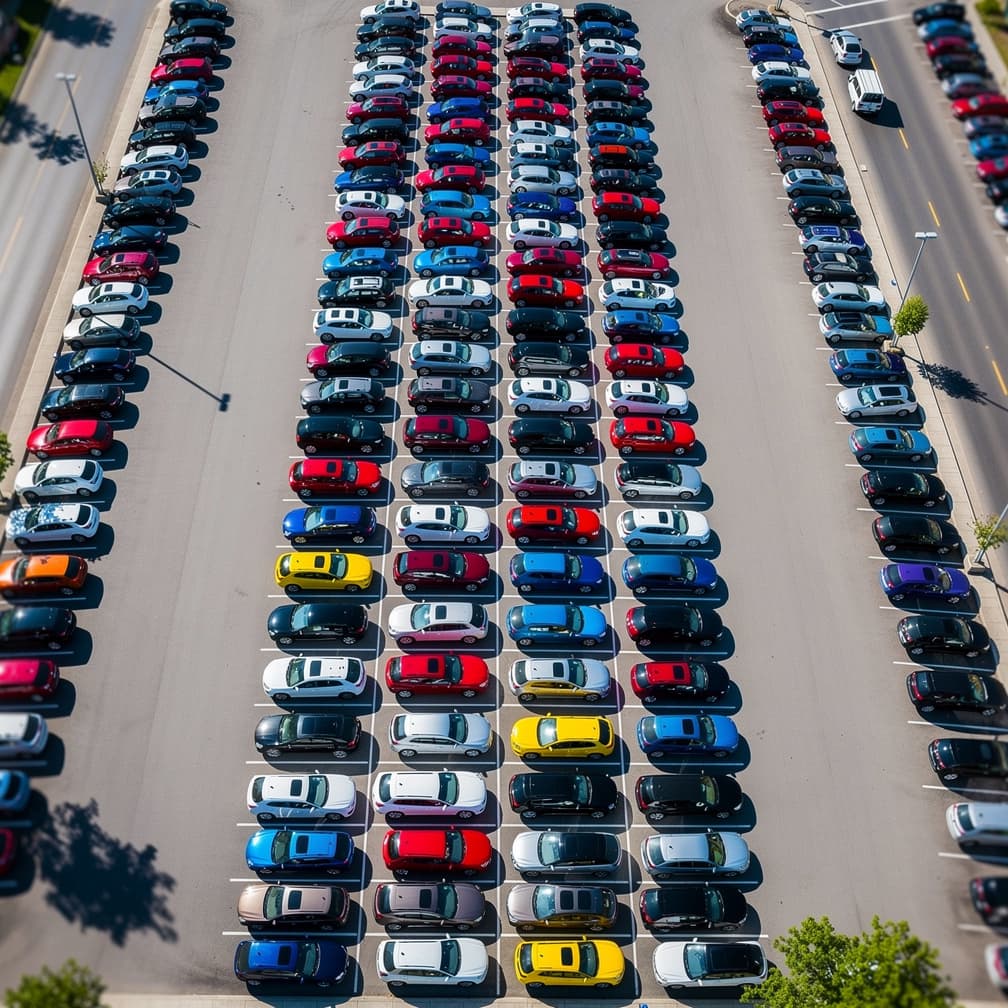
Shreveport's local difference is concentration on open pavement. State-level hazard patterns matter in Louisiana, but the practical issue here is how quickly weather can turn a tightly packed lot into a multi-unit claim if vehicles are stored close together with little room to reposition them. That is more important for dealers using smaller parcels, overflow rows, or mixed-use properties where display space and storage space are not the same thing. Review how units are parked overnight, where the highest-value vehicles sit, and whether temporary overflow ever ends up in a less secure area. If your lot layout changes during tax season, holiday sales periods, or after auction buys, tell the underwriter what your peak arrangement looks like, not just your normal week. You should also match your photo documentation and inventory reporting to the way vehicles are actually staged, because claim handling gets easier when the carrier can see how many units were exposed at each address on the date of loss.
Louisiana has a very high climate risk rating. Top hazards: Hurricane (Very High), Flooding (Very High), Severe Storm (High), Tornado (Moderate). The state's expected annual loss from natural hazards is $4.8B, which influences dealer open lot insurance premiums and may affect coverage availability in high-risk areas.
What Dealer Open Lot Insurance Covers
A dealership with a front sales line, an overflow lot, and a reconditioning area creates different handling points, and each one should be reflected in the schedule you submit. If a unit spends part of the week at a body shop, detail area, auction pickup point, or temporary storage yard, ask how that location is treated before you assume the same protection follows automatically.
You should also review how the policy values vehicles after a loss. That matters most when your inventory turns quickly, when recently acquired units have not yet been fully updated in your system, or when higher value trucks, specialty vehicles, or rebuilt units sit beside lower value inventory. Your policy should reflect how you actually buy, hold, repair, and display vehicles across every site you use.
Louisiana weather exposure adds another layer. Instead of stopping at a broad request for weather protection, ask whether your limits, reporting method, and location schedule still make sense during peak inventory periods or after you shift units around the property to make room for deliveries and repairs. If your operation uses more than one address, confirm whether each site is specifically listed and whether temporary concentration of vehicles at one location creates a gap. That is often where a claim dispute starts.
A practical review also includes key control, perimeter security, camera placement, and who can move vehicles after hours. Those details shape how defensible your file looks if a theft, vandalism, or weather loss happens. Ask for wording and limits that fit your actual lot operations, then compare terms line by line before you buy.
Coverage Included

Weather Damage
Covers hail, wind, flood, and storm damage to lot inventory.
Theft Protection
Covers vehicles stolen from your lot.
Fire Damage
Covers fire and explosion damage to inventory vehicles.

Vandalism
Covers intentional damage to vehicles on your lot.

Test Drive Coverage
Covers vehicles during customer and employee test drives.

Transit Coverage
Covers vehicles being moved between lot locations.
Industries & Insurance Needs in Shreveport
Local buyer traffic is the useful business signal here. Caddo Parish has 6,084 business establishments, and its leading sectors by establishment share are health care and social assistance at 14.1%, retail trade at 13.2%, and other services except public administration at 10.3%, so many independent dealers are selling into a broad working-market customer base rather than a narrow specialty niche. That usually affects inventory mix more than the policy form itself. If your lot leans toward affordable daily-driver vehicles, older trucks, or mixed-price inventory designed for payment-sensitive buyers, your insurance review should focus on total accumulated value and turnover patterns, not just unit count. A lot with many moderately priced vehicles can still carry a large open-lot exposure when inventory builds after auction purchases or slower sales weeks. Ask for your quote to reflect your real peak inventory values by location and season, especially if your stock changes with local demand for commuter vehicles, service-industry transportation, or budget-friendly replacement cars.
What Makes Shreveport Different
When vehicles are packed tightly to maximize frontage or fit more units on a modest parcel, one event can affect a larger share of your inventory than the same event would on a more spread-out property, so the physical arrangement of your lot directly affects how much a single claim could cost you.
The review that matters most looks at concentration by address, overnight storage patterns, and whether your highest-value units are clustered together, since those factors determine whether one incident could take out a disproportionate share of your stock. If you use a second address for overflow, service staging, or recently acquired units waiting for recon, bring that location into the conversation early so your quote reflects the full picture rather than just your primary address. Dealers whose inventory strategy shifts month to month as space gets tight are usually the ones who benefit most from that deeper look before renewal. Before renewing, test your limit against your true peak lot values and confirm the out-of-pocket amount you would owe after a loss is something your cash reserves can handle.
Our Recommendation for Shreveport
Start with the maximum inventory value at each address you use, including any overflow or staging location, since that figure is what your policy needs to protect. That gives you a cleaner way to test whether your current limit still works when auction buys arrive, slower-selling units stack up, or overflow moves to a secondary address. Then look at whether the deductible you carry matches the cash you actually have on hand, not the cash you hope to have. A higher deductible can reduce premium pressure, but it only works if you can carry the out-of-pocket hit without tapping reserves you need for floorplan or reconditioning.
Take time to write down how keys are controlled, where vehicles sit overnight, and when inventory is moved off the main display area. Underwriters often weigh those operational details more heavily than broad dealership categories, and having them documented can lead to a more accurate quote. If your stock is aimed at value-conscious households, revisit limits whenever your mix shifts toward newer trucks, SUVs, or financed units with higher actual cash values. When you request a quote, ask for it to reflect the busiest your lot gets during the year, because that is usually where underinsurance shows up first.
Get Dealer Open Lot Insurance in Shreveport
Enter your ZIP code to compare dealer open lot insurance rates from carriers in Shreveport, LA.
Business insurance starting at $25/mo
FAQ
Frequently Asked Questions
Shreveport dealers should use realistic peak inventory values by address, not a comfortable annual average. If your lot gets tighter after auction purchases or slower sales periods, quote the highest concentration you actually carry so the limit is tested before a loss.
Shreveport smaller lots can change the deductible conversation because tightly parked vehicles create more concentration in one place. The right approach is to pick a figure you could pay from reserves without borrowing, especially if several units could be damaged in the same event.
Caddo Parish has 6,084 business establishments, which means your customer base likely includes employees from a wide range of local industries rather than a single sector. Before you renew or move units between addresses, take time to review your inventory mix and peak accumulated value so your limits keep pace with what is actually on the lot.
Caddo Parish industry mix matters because health care and social assistance is 14.1%, retail trade 13.2%, and other services except public administration 10.3%. Those sectors employ a lot of people who need dependable daily transportation, which can support steady demand for practical commuter and replacement vehicles. That means unit count alone may understate your total lot value, since a lot full of affordable but reliable vehicles can still represent significant accumulated value.
Shreveport buyers who need state-level insurance guidance can look to the Louisiana Department of Insurance. For your quote review, the more immediate step is to organize inventory values, addresses, and storage practices so the policy matches how your lot actually operates.
Quotes go faster when you submit a current inventory list, peak lot values, and every storage address at the start. If offsite storage or overflow parking is missing, the underwriter usually comes back with follow-up questions before terms are finalized. Having your key control procedures and security documentation ready at the same time can help prevent delays.
Assume each storage location needs to be reviewed if vehicles are kept there with any regularity. That includes overflow areas, service-area parking, and temporary holding sites, because location details often affect both terms and claim handling. An unlisted address where inventory sits overnight can become a coverage dispute after a loss.
The Louisiana Department of Insurance oversees insurer licensing, market conduct, and complaint resolution. You can reach them at ldil.la.gov or 1-800-259-5300 to verify carrier standing while you review policy terms and dealership documentation.
Sources
- 1.U.S. Census Bureau, ACS 5-Year Estimates, table B19013(Shreveport median household income)
- 2.U.S. Census Bureau, County Business Patterns, Caddo Parish(Business establishments in Caddo Parish; Leading business sectors in the county containing Shreveport by establishment share)
- 3.Louisiana Department of Insurance(Louisiana's insurance regulator)
Updated July 16, 2026