
Updated July 5, 2026

Homeowners Insurance in Shreveport
Affordability is the sharpest difference here. In a market where many owners are balancing coverage choices against a Shreveport median household income of $48,465 and a relatively modest local home value, homeowners insurance in Shreveport often becomes a budgeting decision as much as a risk decision. That changes how you should shop. Instead of only asking whether a policy meets your mortgage requirement, review whether dwelling limits, roof settlement terms, water backup options, and deductibles still fit the house you own and the payment you can carry after a loss. A lower home value does not automatically mean a low rebuild bill, and a tight monthly budget can push people toward deductibles or endorsements they have not fully pressure-tested. Local buyers usually benefit from comparing replacement cost assumptions line by line, checking whether detached structures and personal property limits still match the property, and asking how claims would be settled if repairs happen in stages. Come to a quote with your current declarations page, roof age, and any recent updates so you can compare real terms instead of just the premium.
Louisiana has a very high climate risk rating. Top hazards: Hurricane (Very High), Flooding (Very High), Severe Storm (High), Tornado (Moderate). The state's expected annual loss from natural hazards is $4.8B, which influences homeowners insurance premiums and may affect coverage availability in high-risk areas.
What Homeowners Insurance Covers
In Louisiana, homeowners insurance is built around the same core protections as elsewhere, but the local details matter more because of hurricane exposure and separate flood rules. Dwelling coverage can help protect against covered losses to the structure of the home. In this state it should be sized to rebuild at current construction costs rather than market value. Louisiana's 2024 average dwelling coverage is $158,400, while the median home value is $198,000. That gap matters because dwelling limits should reflect rebuild costs, not what the home would sell for. In practical terms, you may need more or less coverage than the sale price suggests, so base your limits on a current rebuild estimate.
Personal property coverage helps replace belongings inside the home, and many homeowners use a limit tied to a percentage of dwelling coverage. If a covered loss leaves you temporarily displaced while repairs are underway, additional living expenses coverage can help with those costs. Other structures coverage can apply to detached garages, sheds, or similar structures. Medical payments coverage may help with smaller guest injury claims, depending on the policy.
Louisiana-specific exclusions and options matter. Standard homeowners policies exclude flood damage, so flood insurance is purchased separately through NFIP or a private flood market. Wind and hurricane deductibles may also apply separately in coastal areas, which can change how much you pay out of pocket after a storm. The Louisiana Department of Insurance regulates the market, so endorsements and policy wording can vary by carrier and location.
Coverage Included
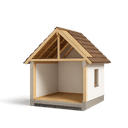
Dwelling
Repairs or rebuilds your home itself, the walls, roof, floors, built-in appliances, and attached structures like a garage, after a covered loss. Set this limit to the full cost of rebuilding, not market value.
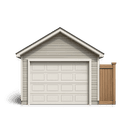
Other Structures
Detached structures on your property, such as a fence, shed, detached garage, or gazebo. Usually set at about 10 percent of your dwelling limit [2].

Personal Property
Your belongings, furniture, clothing, electronics, and appliances, generally written at 50 to 70 percent of your dwelling limit [2]. High-value items like jewelry and art carry special limits.

Additional Living Expenses
Also called loss of use. Pays your added living costs, hotel stays, meals, and a temporary rental, while a covered loss makes your home uninhabitable. Usually set at about 20 percent of your dwelling limit.

Liability
Covers you if someone is injured on your property, or you damage someone else's property, and you are found responsible. The standard $100,000 limit [2] is often raised to $300,000 or $500,000.

Medical Payments
Pays small medical bills, commonly $1,000 to $5,000, if a guest is hurt at your home regardless of fault, without a formal liability claim.
Homeowners Insurance Cost in Shreveport
Average Cost in Louisiana
$210 - $550
per month
In Louisiana, homeowners insurance premiums typically run $210 - $550 per month, which tends to run 111% above the national range of $110 - $250 per month.
- Home replacement cost, age, and construction type
- Roof age, material, and condition
- ZIP code and local weather risk (wind, hail, wildfire, hurricane)
- Coverage limits and endorsements
- All-peril and percentage wind/hail deductibles
- Claims history and insurance score where allowed
Typical range for many standard homeowners profiles; lower-risk homes fall below it and coastal, wildfire, or older-roof homes can run well above. Final pricing depends on property details, location, underwriting, and selected coverage.
Prices shown are general estimates, not guaranteed rates or quotes. Your actual premium will depend on the insurer, coverage selected, personal details, location, claims history, and other underwriting factors. Learn about our pricing methodology.
Louisiana homeowners insurance cost is shaped by weather exposure, rebuilding costs, and local underwriting rather than by home size alone. Compared with a national average of $165, the average premium range in the state runs from about $210 to $550 per month. That spread reflects differences in home age, roof material, deductible choices, claims history, and how close the property is to hurricane- and flood-prone areas.
Louisiana rates generally run well above the national baseline. Carriers price more cautiously here after major events such as Hurricane Ida and the 2024 spring flooding declarations. Coastal and low-lying homes often face stronger wind and hurricane deductible treatment, while homes farther inland may still see elevated pricing because severe storms are common statewide.
Roof age and material have a moderate impact, as do credit-based insurance scores and claims history. Home security features and building code upgrades can help at the margin, but they are lower-impact rating factors. With hundreds of active insurance companies in the market, quotes can differ significantly, so a personalized quote is more useful than relying on a statewide average.
What Affects Homeowners Insurance Rates in Shreveport
Local affordability changes the cost conversation more than another generic warning about Louisiana weather. Shreveport's median household income is $48,465, so even modest premium differences can affect which deductible you choose, whether you keep optional endorsements, and how much out of pocket you could handle after a covered loss. Local home values can tempt owners to anchor on market value instead of replacement cost. That is where mistakes happen. Insurance is priced and settled around covered damage to the structure under policy terms, not simply what a home might sell for. If your quote comes in higher than expected, do not solve the problem by cutting core protection first. Ask the agent to walk through dwelling valuation, ordinance or law, roof loss settlement, water backup, and deductible options in plain language. Then decide what risk you are actually retaining before you trade coverage for a lower bill.
What Makes Shreveport Different
Affordability discipline is what changes the calculus here. In some markets, buyers can absorb a higher deductible or add endorsements without much strain. Here, the decision often sits closer to the household budget, which means small coverage choices can have outsized consequences at claim time. That is why a local review should focus less on broad state talking points and more on whether your policy structure matches the house and your cash reserves. If you own an older property, ask how roof depreciation, actual cash value provisions, or sublimits could affect a partial loss. If you have detached storage, a workshop, or upgraded finishes, confirm those details are reflected instead of assumed. The goal is not to buy the most policy possible. It is to avoid discovering after a storm, fire, or water loss that the premium looked manageable only because key terms shifted more cost back onto you. A useful quote review here should show exactly where that tradeoff happens.
Our Recommendation for Shreveport
Start with the declarations page from your current policy and ask for a side by side comparison, not a fresh quote with hidden assumptions. Review dwelling coverage first, then roof settlement language, deductible structure, water backup availability, ordinance or law, and personal property limits. If your home has had updates, bring the year of the roof, electrical, plumbing, and HVAC work so the quote reflects the actual condition of the property. If your budget is tight, test deductible options against what you could realistically pay within days of a loss, not what sounds acceptable in theory. Owners with detached garages, sheds, fences, or larger lots should also verify other structures coverage instead of assuming the default limit is enough. If you are comparing policies for a mortgage closing or renewal, ask which endorsements are included, which are optional, and which losses would be settled on an actual cash value basis. That is usually where the meaningful differences show up.
Get Homeowners Insurance in Shreveport
Enter your ZIP code to compare homeowners insurance rates from carriers in Shreveport, LA.
Home insurance starting at $50/mo
FAQ
Frequently Asked Questions
Shreveport buyers often feel deductible and endorsement changes more directly because the city's median household income is $48,465. That makes it worth reviewing what you would actually pay after a covered loss, not just whether the monthly premium fits today.
Shreveport owners should be careful here. The city's median home value is $178,100, but your policy should be reviewed around covered rebuilding assumptions and policy terms, not only what the property might sell for in the current market.
Caddo Parish has 6,084 business establishments, so many households depend on service, retail, and care-sector work with varied income stability. That makes deductible planning and optional endorsement choices worth reviewing before renewal, especially if a large out-of-pocket loss would strain cash flow.
Caddo Parish includes strong shares of health care and social assistance at 14.1%, retail trade at 13.2%, and other services at 10.3%. If your schedule changes, storage use, or home-based activity affects the property, mention it so the quote reflects how the home is actually used.
It can help cover dwelling, personal property, liability, additional living expenses, other structures, and sometimes medical payments, but the exact policy wording varies by carrier and address. In Louisiana, you should also check how the policy handles wind and hurricane deductibles before you buy.
Many quotes vary widely, with a typical range from $210 to $550 per month. Your quote can change based on roof age, claims history, location, deductible choices, and endorsements.
Lenders usually require active homeowners coverage if the property secures a mortgage. They may also require proof that dwelling coverage is enough to protect the loan and the home's rebuild value.
It is not required by state law for every owner, but many people still choose it because Louisiana has severe storm and flood exposure. Owning the home free and clear does not reduce the cost of a fire, theft, wind, or liability claim.
Sources
- 1.U.S. Census Bureau, ACS 5-Year Estimates, table B19013(Shreveport median household income)
- 2.U.S. Census Bureau, ACS 5-Year Estimates, table B25077(Shreveport median home value)
- 3.U.S. Census Bureau, County Business Patterns, Caddo Parish(Business establishments in Caddo Parish; Leading business sectors in the county containing Shreveport by establishment share)
Updated July 5, 2026