








































Updated July 16, 2026

Inland Marine Insurance in Shreveport
What sets Shreveport apart is how tightly packed the job sites are. Mobile property exposure here comes from short, repeated runs between medical offices, retail locations, service calls, and temporary work sites rather than long hauls across the state. That should sharpen how you think about protecting gear that rarely sits still. In Caddo Parish, 6,084 business establishments mean a lot of vehicles making a lot of stops, and every stop is a window for theft or damage.
The local business mix tells you what is actually moving. Health care and social assistance accounts for 14.1% of establishments, retail trade 13.2%, and other services 10.3%, so your policy needs to account for portable medical gear and retail inventory, not just contractor tools. You need to schedule the property that actually leaves your main premises, including equipment used at client locations or stock moving between sites. If your operation makes several stops in a day, ask for a quote that accounts for where property travels, how long it sits off-site, and whether you need itemized scheduling for higher-value equipment.
Inland Marine Insurance Risk Factors in Shreveport
Shreveport's top risk factors include Flooding, Hurricane damage, Coastal storm surge, and Wind damage.
Louisiana has a very high climate risk rating. Top hazards: Hurricane (Very High), Flooding (Very High), Severe Storm (High), Tornado (Moderate). The state's expected annual loss from natural hazards is $4.8B, which influences inland marine insurance premiums and may affect coverage availability in high-risk areas.
What Inland Marine Insurance Covers
Inland marine insurance is designed for business property that is mobile, installed away from your main location, or in transit over land. That includes tools, equipment, building materials, goods being shipped, and other mobile business property that may be offsite. For many buyers, the most relevant pieces are tools and equipment coverage, goods in transit coverage, contractors equipment coverage, installation floater coverage, and builders risk coverage.
This coverage matters because a standard commercial property policy usually can help protect against covered losses for items at a fixed address, while inland marine follows covered property as it moves. In Louisiana, that distinction is especially important in places exposed to hurricanes, flooding, and severe storms. Businesses may relocate materials, stage equipment offsite, or store items temporarily while projects are delayed. Your policy can respond to theft, damage, vandalism, and other covered perils while property is away from the primary business location.
Louisiana does not have a state-mandated inland marine minimum, and requirements vary by industry and business size. Because the LDOI regulates the market, endorsements, limits, deductibles, and covered property schedules should be checked line by line. If you work offsite or move property between cities, the policy should be matched to those locations and exposures rather than to a single storefront address.
Coverage Included
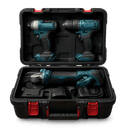
Tools & Equipment
Can help repair or replace hand tools, power tools, and gear that are stolen or damaged on the job or in transit.

Goods in Transit
May cover products, materials, and merchandise while they are being shipped or hauled between locations in your care.
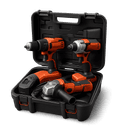
Contractors Equipment
Typically covers heavy machinery like excavators, loaders, and generators against theft or damage at job sites and between them.
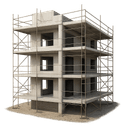
Installation Floater
Can help cover materials and fixtures from the moment you buy them until they are installed and accepted at a project.
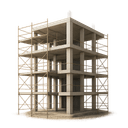
Builders Risk
May cover a structure under construction, along with materials on site, against damage from fire, wind, theft, and vandalism.
Inland Marine Insurance Cost in Shreveport
Average Cost in Louisiana
$35 - $130
per month
Businesses in Louisiana typically see inland marine insurance premiums of $35 - $130 per month, which tends to run 38% above the national range of $20 - $100 per month.
- Total insured value of the scheduled property
- Type and age of the equipment
- Where it is stored and how far it travels
- Jobsite security and theft prevention
- Per-item limits and deductibles
- Prior theft and in-transit losses
Contact CPK Insurance for a personalized quote.
Prices shown are general estimates, not guaranteed rates or quotes. Your actual premium will depend on the insurer, coverage selected, business details, location, claims history, and other underwriting factors. Learn about our pricing methodology.
The average premium range for inland marine insurance in Louisiana is $35 to $130 per month, which is above the national average market level. Coverage limits and deductibles are major drivers, along with claims history, location, industry risk profile, and policy endorsements.
Severe weather exposure can push premiums upward because mobile property may be exposed during storms. The property crime rate is 3,020 per 100,000 residents. That means roughly 1 in 33 people here experience property crime in a given year, so securing your equipment offsite is a practical necessity, not just a precaution. Construction is one of the state's major industries, and businesses in that sector often need higher scheduled values for tools, materials, and contractors equipment, which can increase cost.
The market is competitive, with many active carriers writing business here. That competition can create meaningful quote variation, so comparing options from multiple carriers is important. Businesses with tighter schedules, lower deductibles, safer storage practices, and well-documented equipment inventories may see more favorable pricing than those with frequent losses or high-value mobile property.
What Makes Shreveport Different
Job-site density is what changes the calculus here. In a market shaped by health care, retail, and service businesses, inland marine exposure often comes from frequent handling rather than a single warehouse-to-warehouse trip. That matters because losses can happen during transfer, setup, pickup, or while property is staged briefly at a customer location.
Health care, retail, and service businesses all depend on property that leaves the main insured address, whether that is portable equipment, display property, service tools, or customer items in your care. For you, that means the key review is operational. Ask what property leaves the premises, who has custody of it, and whether values spike on certain days or routes. If your team carries specialized gear or rotates stock between locations, ask whether blanket coverage is enough or whether specific items should be scheduled more precisely.
Our Recommendation for Shreveport
Before you fill out an application, map your property in motion. Over a typical week, note what leaves your main location, where it goes, who transports it, and whether each item is owned, rented, borrowed, or customer property in your care. That record becomes the foundation for a quote that fits how you actually work, especially in a local market where many businesses make repeated short trips and temporary stops.
When you serve clinics, stores, or homes, your policy language should fit property in transit, at a job site, and in temporary storage between appointments. Equipment that would be hard to replace quickly may warrant separate scheduling rather than reliance on a broad unscheduled limit. For commercial bids, keep a current equipment list with serial numbers and values so your quote reflects real exposure. Before binding, compare the deductible against the value of the items most likely to be moved by hand, loaded daily, or left off-premises during the workday.
Get Inland Marine Insurance in Shreveport
Enter your ZIP code to compare inland marine insurance rates from carriers in Shreveport, LA.
Business insurance starting at $25/mo
FAQ
Frequently Asked Questions
Shreveport businesses often do, because short local routes still create loading, unloading, and temporary off-site exposure. With 6,084 business establishments in Caddo Parish, the sheer volume of service calls and site-to-site movement creates frequent moments where gear sits unattended in a vehicle or at a stop.
Shreveport buyers in medical and service work often need the policy to follow portable equipment to client or treatment locations. Health care and social assistance represents 14.1% of parish establishments, a large enough share that your quote should account for how often diagnostic or treatment tools travel off-site.
Shreveport retail operations may need it when inventory, displays, or point-of-sale equipment moves between sites or to events. Retail trade makes up 13.2% of county establishments, so a meaningful portion of local businesses are regularly moving goods rather than just storing them.
Shreveport small businesses should compare scheduled and unscheduled options based on the value and replaceability of what travels. An uninsured equipment loss can strain cash flow, so prioritize the items that would be most expensive or time-consuming to replace.
It is designed for mobile business property such as tools, equipment, building materials, and shipped goods while they are away from your main location. If your tools are sitting in a truck overnight or your materials are staged at a customer site, this coverage can help protect them.
It follows covered property when it is stored offsite, which helps fill the gap left by a fixed-location commercial property policy. So if your equipment is staged at a Louisiana job site or in temporary storage, your policy can respond to covered perils there.
Contractors, electricians, plumbers, landscapers, installers, and businesses that ship goods or hold customer property are common Louisiana buyers because they move property regularly.
Limits, deductibles, claims history, location, industry risk, and endorsements all matter, and Louisiana's hurricane, flooding, and property crime conditions can also affect pricing.
Sources
- 1.U.S. Census Bureau, County Business Patterns, Caddo Parish(In Caddo Parish, there are 6,084 business establishments, so contractors, service firms, vendors, and specialty trades often move tools, diagnostic equipment, installation materials, or customer property through dense local routes where loading, unloading, and unattended intervals happen often.; The county's leading sectors, health care and social assistance at 14.1%, retail trade at 13.2%, and other services at 10.3%, point to a large share of businesses that rely on portable equipment, display property, service tools, or customer items away from the main insured address.)
Updated July 16, 2026





