Updated July 5, 2026

On-Hook Towing Insurance in Shreveport
A tighter local market changes how you shop this coverage. You may see fewer carriers willing to quote certain towing profiles, and the ones that do usually want clean, specific paperwork before they take on the risk. For on-hook towing insurance in Shreveport, that means your submission has to show exactly what you tow, where you pick up, how far you transport, and whether your work leans more toward roadside calls, impounds, dealer moves, or recovery. In a market where adjusters and underwriters often know the difference between a light-duty service truck and a unit handling more complicated recoveries, vague applications create delays. Local buyers also run into practical proof expectations. A body shop, apartment complex, lender, or fleet account may want certificates that match the named insured, truck schedule, and coverage dates before they release work. If any of that is off, you can lose time while paperwork gets corrected. The useful move here is to build your quote request from your real dispatch pattern, your current truck list, and the kinds of vehicles you actually take into your care.
On-Hook Towing Insurance Risk Factors in Shreveport
Shreveport's top risk factors include Flooding, Hurricane damage, Coastal storm surge, and Wind damage.
Louisiana has a very high climate risk rating. Top hazards: Hurricane (Very High), Flooding (Very High), Severe Storm (High), Tornado (Moderate). The state's expected annual loss from natural hazards is $4.8B, which influences on-hook towing insurance premiums and may affect coverage availability in high-risk areas.
What On-Hook Towing Insurance Covers
On-hook coverage responds when a customer's vehicle is damaged while attached to your truck, loaded on your bed, or being moved by your equipment. A tow company working urban accident scenes, apartment impounds, highway breakdowns, and storm-related recoveries can create very different damage scenarios even in the same week. You should review the points where a customer vehicle is most exposed during your operation: hookup angle, winching path, bed loading, wheel-lift securement, transport over uneven pavement, and unloading at the drop location.
State conditions matter here because weather can change the severity of a claim. Heavy rain and flooding can leave vehicles partly submerged, stuck in soft shoulders, or positioned where visibility and traction are poor. If your crews handle those calls, ask for a quote built around recovery-style exposures rather than a cleaner dealer-transfer profile. If you move low-clearance vehicles, motorcycles, luxury units, or commercial vans, say so up front, because the handling method and potential damage pattern are different.
Take a close look at how your policy fits with the rest of your insurance structure. A buyer in Louisiana usually wants to confirm which trucks perform towing, whether every unit is scheduled correctly, how after-hours dispatch is handled, and whether subcontracted work changes who has care, custody, or control at the time of loss. If your operation crosses parish lines regularly, note that in the application so the underwriter sees your true operating pattern. Before you compare quotes, build a service-by-service vehicle list.
Coverage Included

Collision on Hook
Covers damage to towed vehicles from collisions during transport.
Comprehensive on Hook
Covers theft, fire, and weather damage to vehicles being towed.
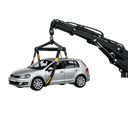
Loading & Unloading
Covers damage during the process of loading and unloading vehicles.
Winching Coverage
Covers damage to vehicles during winching and recovery operations.

Multiple Vehicle
Covers all vehicles on multi-car carriers and rollback flatbeds.
Industries & Insurance Needs in Shreveport
County demand is the part worth watching here. Caddo Parish has 6,084 business establishments, so a tow operator often serves a broad mix of commercial customers that expect fast proof of coverage before they hand over keys, authorize a removal, or approve a transport. The county mix also matters: health care and social assistance accounts for 14.1% of establishments, retail trade 13.2%, and other services 10.3%. That points to recurring towing situations around employee lots, customer parking areas, service businesses, and time-sensitive vehicle moves. The insurance consequence is not that one sector automatically costs more. It is that your on-hook setup should match the jobs those accounts create. If you handle private property impounds for retail centers, dealer transfers tied to service work, or after-hours removals for medical facilities, ask for wording and limits that fit those assignments, then make sure your certificates can be issued quickly when a new account asks.
What Makes Shreveport Different
Relationships are what change the calculus here. In a smaller commercial market, a lot of towing work comes from repeat referral channels rather than anonymous volume, so insurance friction shows up fast. If your certificate is slow, your named insured is wrong, or your truck schedule does not match the unit arriving on site, the problem is visible to the property manager, shop, lender, or municipal contact who sent the call. That matters because local households also feel budget pressure. Shreveport median household income is $48,465, so customers and counterparties may scrutinize charges, damage allegations, and paperwork more closely after a tow. For your insurance buying decision, that means claims handling and documentation discipline matter as much as the premium. You want an on-hook policy review that lines up with how you document pre-tow condition, who has custody of keys, where vehicles are stored between pickup and release, and how quickly you can produce proof for a new commercial account.
Our Recommendation for Shreveport
Start with your dispatch reality, not a generic towing description. Break your work into the jobs that create different handling exposures: roadside tows, shop deliveries, impounds, dealer transports, and any recovery assignments that involve longer custody or more transfer points. Then review whether every truck on your schedule is still accurate, including backup units that occasionally take calls. If you serve commercial accounts, ask how certificates are issued and how quickly named insured changes can be turned around, because that administrative speed can affect whether you keep an account. It is also smart to review your intake process. Photos at pickup, signed authorizations, lot condition notes, and release procedures can all matter if a damage dispute follows a tow. If your book is shifting toward more account work and less one-off roadside volume, say that clearly in the quote request. A cleaner, more specific submission usually gives you a more usable comparison than a broad application with missing operational detail.
Get On-Hook Towing Insurance in Shreveport
Enter your ZIP code to compare on-hook towing insurance rates from carriers in Shreveport, LA.
Business insurance starting at $25/mo
FAQ
Frequently Asked Questions
Shreveport buyers often shop in a tighter market, so underwriters usually want a precise truck schedule, towing radius, and job mix before they quote. If your application is vague, you may get slower responses or terms that do not fit the work you actually perform.
Caddo Parish has 6,084 business establishments, with health care and social assistance at 14.1%, retail trade at 13.2%, and other services at 10.3%, so many towing accounts involve parking enforcement, shop moves, and time-sensitive transports. Ask for coverage that matches those assignments.
Shreveport commercial accounts often want certificates that match your legal business name, covered units, and effective dates before they release work. That is worth checking before you bind, especially if you add trucks or take on new property management or fleet relationships.
Shreveport median household income is $48,465, so billing disputes and damage allegations may be examined closely after a tow. Clear pickup photos, signed authorizations, and release records can help you explain what happened if a claim or complaint follows.
Yes, you should disclose that work clearly during quoting. An underwriter pricing flood recovery work wants specifics: water depth, typical vehicle condition at pickup, and whether your drivers have winch training for soft-ground extractions. A generic roadside-towing description will not capture that exposure.
Submit identical information to each market so the differences show up in coverage terms and underwriting appetite, not in the data you provided. That means the same driver roster, equipment list, service mix, and loss history across every quote.
The Louisiana Department of Insurance regulates policy forms and provides state insurance oversight. Use that as a reminder to review your declarations and endorsements carefully before binding.
You can sometimes place both under one policy structure, but the quote should still describe each service accurately. Impounds and routine roadside calls do not always present the same claim pattern or documentation needs.
Sources
- 1.U.S. Census Bureau, County Business Patterns, Caddo Parish(Caddo Parish has 6,084 business establishments.; The county mix includes health care and social assistance at 14.1%, retail trade at 13.2%, and other services at 10.3%.)
- 2.U.S. Census Bureau, ACS 5-Year Estimates, table B19013(Shreveport median household income is $48,465.)
Updated July 5, 2026