







































Updated July 16, 2026

Builders Risk Insurance in Bangor
Construction work in Bangor often happens on projects that sit close to active retail corridors, medical facilities, and occupied properties rather than on isolated ground-up sites. In Penobscot County, construction accounts for 11.9% of establishments, alongside retail trade at 15.9% and health care and social assistance at 14.3%. Put differently, roughly one in nine local businesses is a contractor, and many of the rest are the very tenants you may be building around. That shapes the risk. Jobs here tend to involve additions, tenant improvements, phased renovations, and material deliveries that have to coexist with customer traffic or patient access. A quote is stronger when it specifies whether the job is a vacant structure, an occupied remodel, or a new build with stored materials off site. It also helps to identify who controls site security, how deliveries are staged, and whether the owner, lender, or general contractor needs to be named correctly from the start. If your project touches an operating business or care setting, ask for policy terms to be reviewed around soft costs, delay exposure, and theft-sensitive materials before work begins.
Builders Risk Insurance Risk Factors in Bangor
Bangor's top risk factors include Winter storm damage, Ice dam damage, Frozen pipe bursts, and Snow load collapse.
Maine has a moderate climate risk rating. Top hazards: Nor'easter (High), Winter Storm (High), Flooding (Moderate), Coastal Erosion (Moderate). The state's expected annual loss from natural hazards is $180M, which influences builders risk insurance premiums and may affect coverage availability in high-risk areas.
What Builders Risk Insurance Covers
Where property is located before installation, and how exposed the site stays between delivery and enclosure, often shapes the practical coverage review. That is especially important on projects with staged material drops, remote job locations, or renovation work where weather can reach partially completed areas for longer than expected. Instead of treating the policy as a simple box to check, review whether the form addresses temporary storage, materials in transit if needed, and the categories of property that matter to your build sequence.
Look closely at how the policy handles temporary structures, scaffolding, fencing, and similar jobsite property if those items are part of your risk transfer plan. On a project here, site protection can change quickly as conditions shift, so the useful question is not just whether something is covered, but under what terms, limits, and causes of loss. If the project includes custom components, imported finishes, or mechanical equipment with long replacement times, ask how those items are valued after a covered loss and what documentation the carrier expects.
For coastal or weather-sensitive work, it is worth reviewing exclusions and waiting periods with care. A builder, owner, or lender may assume the policy responds one way, while the actual form narrows recovery for certain causes of loss or categories of expense. If your contract pushes delay risk back onto you, ask whether soft costs like lost rental income, additional loan interest, or real estate taxes during delay should be considered. The goal is to match the policy to the build plan, the site conditions, and the contract obligations before work gets too far along.
Coverage Included

Structure Coverage
Covers the building or structure under construction.

Materials on Site
Covers building materials stored at the construction site.

Materials in Transit
Covers materials being transported to the job site.
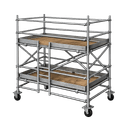
Temporary Structures
Covers scaffolding, fencing, and temporary buildings.

Soft Costs
Covers additional expenses from construction delays due to covered losses.

Equipment Coverage
Covers permanently installed fixtures and equipment.
What Makes Bangor Different
What changes the calculus here is proximity to operating tenants, storefront traffic, service entrances, and facilities that cannot simply shut down around a loss. Penobscot County has 4,218 business establishments spread across retail, health care and social assistance, and construction. In practical terms, that means your job site probably shares a wall, a parking lot, or a delivery lane with a business that still has to serve customers every day. For a builders risk buyer, the form should be reviewed less like a simple vacant-site policy and more like a project-specific contract tied to how the work is sequenced. If materials are stored before installation, if a renovation leaves part of a structure occupied, or if a lender expects evidence of coverage before draws continue, small wording issues can matter. Make sure the completed value, covered property, temporary storage, and named insured structure all line up with the actual contract set, and confirm any owner or lender requirements before the first delivery arrives.
Our Recommendation for Bangor
Start with the contract package, not just the plans. On a local project, ask your agent to review who bears the risk of loss during construction, who buys the policy, and whether subcontractor-installed materials are intended to be included before they are fully attached. If the work is a renovation, be clear about what part of the structure is existing property and what part is new work, because that distinction can affect how a claim is adjusted. Bangor's median home value is $206,300. For an owner financing the job or using savings, that means even a modest residential build or major remodel can represent a meaningful asset worth protecting accurately. That is a good reason to check valuation carefully instead of carrying a rough number from an early estimate. Before binding coverage, compare the construction schedule, storage locations, security plan, and any soft cost needs against the policy terms.
Get Builders Risk Insurance in Bangor
Enter your ZIP code to compare builders risk insurance rates from carriers in Bangor, ME.
Business insurance starting at $25/mo
FAQ
Frequently Asked Questions
Bangor renovation projects often involve occupied homes, storefronts, or service spaces, so the key issue is how the policy treats new work, stored materials, and any phased construction. Ask for the renovation scope and occupancy details to be reviewed before coverage is bound.
Before work starts, confirm whether the owner, general contractor, and lender need to appear a certain way on certificates or policy documents. When the named insured structure matches the contract and financing documents, projects tend to run more smoothly and certificate requests get fulfilled faster.
Penobscot County has construction at 11.9% of establishments, and local underwriters see a steady mix of new builds and remodels. Because they are familiar with this mix, you will generally get better terms by presenting a clear schedule, valuation, and storage plan instead of asking for a generic course-of-construction quote.
Bangor homeowners should compare the insured value to the current contract amount, change orders, and major supplied materials. With a median home value of $206,300, underestimating the project can leave a meaningful gap if a covered loss interrupts construction. The bottom line is that the insured amount should reflect what you are actually spending, not a ballpark figure from the original bid.
The buyer is usually the party the contract makes responsible for insuring the project, often the owner or general contractor. Review the agreement, lender requirements, and named insured wording before work starts so responsibility is clear.
Projects are usually easier to place when the insured value matches the contract and draw schedule. If values are understated, a claim can become harder to settle the way you expect, especially on phased or custom work.
Coastal projects often need a closer review of weather exposure, material storage, and how long the structure stays partially enclosed. Those details can change underwriting terms, deductibles, and the practical fit of one quote versus another.
Renovation projects can often be insured, but the submission should explain what existing structure remains, whether any area stays occupied, and how new work is separated from old. That detail helps avoid a quote built on the wrong assumptions.
Sources
- 1.U.S. Census Bureau, County Business Patterns, Penobscot County(In Penobscot County, construction accounts for 11.9% of establishments, alongside retail trade at 15.9% and health care and social assistance at 14.3%.; Penobscot County has 4,218 business establishments.)
- 2.U.S. Census Bureau, ACS 5-Year Estimates, table B25077(Bangor's median home value is $206,300.)
Updated July 16, 2026





