Updated July 16, 2026

Commercial Auto Insurance in Maine
If you run vehicles for work anywhere along Maine's coastal routes, commercial auto insurance has to fit winter driving, long rural mileage, and the state's minimum liability rules. Maine's market is active, with 260 insurers competing in 2024, meaning you have enough carriers vying for your business to make real price and coverage comparisons worthwhile. Premiums sit close to the national average at an index of 96, meaning Mainers pay roughly what the typical American business pays, so your final price still depends on vehicle type, driver history, operating radius, and whether you need fleet coverage or a policy for a single company car. That matters because Maine's high-risk weather patterns, including Nor'easter exposure and winter storms, can turn a routine delivery or service call into a collision, comprehensive, or liability claim. If your business sends people to client sites, moves tools across county lines, or operates commercial trucks on icy roads near Augusta, Lewiston, or along U.S. 1, the right policy can help cover how those vehicles are actually used.
What Commercial Auto Insurance Covers
Commercial auto insurance in Maine typically centers on liability, collision, comprehensive, medical payments, and uninsured motorist protection, with hired and non-owned auto options available when employees drive rented or personal vehicles for work. Maine requires minimum liability limits for commercial vehicles, and all commercial vehicles must be registered with the Maine DMV, so your policy and vehicle paperwork need to line up before you put a truck or van into service. That is especially important in a state where the uninsured driver rate is 4.9%, meaning roughly one in twenty drivers lacks coverage, so your liability policy may need to respond when another driver cannot fully pay for a loss. Collision can help with damage after an accident, while comprehensive is the part of your policy that addresses theft or weather-related damage during harsh winter conditions. If your business uses rentals, employee-owned cars, or mixed fleets, these endorsements close gaps that a standard company car policy may not fill. Coverage details vary by carrier, but the key Maine issue is aligning your policy to your actual business operations.

Bodily Injury Liability
Covers injuries you cause to others in an accident

Property Damage Liability
Covers damage you cause to others' property
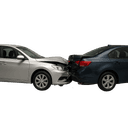
Collision Coverage
Pays for damage to your vehicle in an accident

Comprehensive Coverage
Covers theft, vandalism, weather, and animal damage

Medical Payments
Covers medical costs for your drivers and passengers

Uninsured Motorist
Protection when the other driver lacks insurance
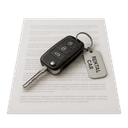
Hired & Non-Owned Auto
Covers rented or employee-owned vehicles used for work
Commercial Auto Insurance Requirements in Maine
- Maine's 4.9% uninsured driver rate means roughly one in twenty drivers on the road lacks coverage, making uninsured and underinsured motorist protection a practical consideration rather than a formality. Confirm how each carrier treats it in your quote.
- Hired and non-owned auto coverage is important if employees use personal cars or rentals for business use, since personal policies often exclude work-related driving.
How Much Does Commercial Auto Insurance Cost in Maine?
Average Cost in Maine
$120 - $330
per month
Businesses in Maine typically see commercial auto insurance premiums of $120 - $330 per month, which tends to run 18% below the national range of $140 - $410 per month.
- Fleet size and vehicle types
- Driver records and experience
- Coverage limits and deductibles
- Business industry and use
- Annual mileage and operating radius
- Claims history
Rates based on small business averages. Your actual premium may vary.
Commercial auto insurance cost in Maine is shaped by the state's average premium range of $120 to $330 per month per vehicle, with premiums near the national average, meaning Mainers pay roughly what the typical American business pays. Annual small-business costs often land between $1,200 and $2,400 per vehicle, so the real number depends on your operation rather than a fixed rate. Maine's active carrier market keeps pricing competitive, but rates still move with fleet size and vehicle types, driver records and experience, coverage limits and deductibles, business industry and use, annual mileage, operating radius, and claims history. A pickup making short trips around Augusta may price differently than commercial truck insurance for routes that stretch through coastal weather, rural roads, or higher-mileage service areas. The state's accident data also matters: Maine logged 32,000 crashes in 2023, with an average claim cost of $20,826, which is high enough that carrying only minimum liability limits could leave your business paying the difference out of pocket. Because Maine's premium index is near average, the biggest swings usually come from vehicle mix, driver profile, and whether you add hired and non-owned auto or fleet endorsements.
| Coverage Type | What It Covers | Typical Limits |
|---|---|---|
| Bodily Injury Liability | Injuries to others in accidents you cause | $500K to $2M |
| Property Damage Liability | Damage to others' property | $100K to $1M |
| Collision | Damage to your vehicle in an accident | Actual cash value |
| Comprehensive | Theft, vandalism, weather, animal damage | Actual cash value |
| Medical Payments | Medical costs for your drivers/passengers | $5K to $25K |
| Uninsured Motorist | Protection when other driver lacks insurance | $500K to $1M |
| Hired & Non-Owned | Rented or employee personal vehicles | Same as liability limits |
Bodily Injury Liability
- What It Covers
- Injuries to others in accidents you cause
- Typical Limits
- $500K to $2M
Property Damage Liability
- What It Covers
- Damage to others' property
- Typical Limits
- $100K to $1M
Collision
- What It Covers
- Damage to your vehicle in an accident
- Typical Limits
- Actual cash value
Comprehensive
- What It Covers
- Theft, vandalism, weather, animal damage
- Typical Limits
- Actual cash value
Medical Payments
- What It Covers
- Medical costs for your drivers/passengers
- Typical Limits
- $5K to $25K
Uninsured Motorist
- What It Covers
- Protection when other driver lacks insurance
- Typical Limits
- $500K to $1M
Hired & Non-Owned
- What It Covers
- Rented or employee personal vehicles
- Typical Limits
- Same as liability limits
How Maine compares with the national baseline
Uninsured drivers
4.9% vs 11.6% baseline
About 4.9% of Maine drivers are estimated to be uninsured, below the 11.6% average across states.
Fatal crashes per 100 million miles
1.22 vs 1.33 baseline
Maine sees about 1.22 fatal crashes per 100 million miles driven, below the national average of 1.33.
Blue bar: Maine. Gray line: national baseline.
Prices shown are general estimates, not guaranteed rates or quotes. Your actual premium will depend on the insurer, coverage selected, business details, location, claims history, and other underwriting factors. Learn about our pricing methodology.
Request a Quote Comparison
Enter your ZIP code to compare commercial auto insurance rates from top carriers.
Business insurance starting at $25/mo
Who Needs Commercial Auto Insurance?
Commercial auto insurance in Maine is relevant for any business that owns, leases, or regularly uses vehicles for work, especially in a state where most employers are running lean operations and a single vehicle loss can be disruptive. Healthcare and social assistance groups that send staff to multiple sites, retail businesses that move inventory between stores, and construction firms that haul tools or materials all face different exposure levels, but each may need a policy if a vehicle is used beyond personal errands. Delivery operations and service businesses are especially sensitive to Maine's winter weather, because a collision on icy roads can create a claim even on short routes. If employees use their own cars for meetings, client visits, or errands, hired and non-owned auto coverage may be the right fit, since personal policies often do not fully address business use. Fleet auto insurance in Maine is a better fit when you manage multiple vehicles under one program, while a single company car policy may be enough for a smaller operation with one or two vehicles. Commercial truck insurance is often a separate conversation for heavier vehicles, higher mileage, or routes that increase liability and collision exposure. In short, if the vehicle helps produce revenue, move people, or carry goods for the business, it belongs in the insurance review.
| Requirement | What Maine law says |
|---|---|
| Auto liability minimums | $50,000/$100,000/$25,000 (bodily injury per person / per accident / property damage). These floors apply to personal and business vehicles alike; lenders and contracts often require more. |
| Where to verify | Maine Bureau of Insurance publishes current requirements, consumer guides, and license lookups. |
Commercial Auto Insurance by City in Maine
Commercial Auto Insurance rates and coverage options can vary across Maine. Select your city below for localized information:
How to Buy Commercial Auto Insurance
The buying process starts with a clear picture of every business-use vehicle, including owned vans, pickups, specialty vehicles, rentals, and employee-owned cars used for work, because Maine's registration requirement means each commercial vehicle must be properly documented with the Maine DMV. From there, quote options from carriers active in the state are worth checking across both national and regional providers. Each carrier should be asked how its commercial auto insurance requirements align with the state minimum liability requirements and whether uninsured or underinsured motorist coverage is included or recommended for your vehicle mix. It also helps to confirm whether hired and non-owned auto coverage is available if employees drive personal vehicles or your business rents vehicles for short-term use. A strong quote request includes annual mileage, operating radius, driver records, garaging location, vehicle types, and whether the business operates in coastal, rural, or winter-heavy areas, because those details affect underwriting. If you manage multiple units, fleet auto insurance pricing can be compared against a single-policy structure on a per-vehicle basis. The cleanest buying process is to know how the vehicle is used, verify the registration and liability minimums, and then review endorsements before binding coverage.
How to Save on Commercial Auto Insurance
To lower commercial auto insurance cost in Maine, focus on the factors that carriers actually price: driver records, vehicle types, mileage, operating radius, limits, deductibles, and claims history. A fleet safety program can matter in a state where following too closely caused 31.2% of crashes and impaired driving accounted for 22.3%, meaning a third of accidents come from preventable driver behavior, so insurers often reward documented risk controls more than broad promises. GPS tracking and dash cameras can strengthen fleet auto insurance applications by giving carriers more confidence in how vehicles are driven and how claims are documented. Choosing higher deductibles may reduce premium, but only if the business can absorb the out-of-pocket cost after a vehicle accident or weather-related comprehensive claim. If you operate in areas with winter-storm exposure, review whether some vehicles need broader protection than others instead of insuring every unit the same way. Bundling commercial auto with other business policies can also help, and multi-policy discounts may be available through the same carrier, though actual savings vary. For businesses that use employee vehicles, confirm whether non-owned auto coverage is enough before adding more expensive vehicle-based coverage. Shopping annually is especially useful in a state with this many carriers, because pricing can change as your mileage, routes, drivers, and claims history change.
Our Recommendation for Maine
For Maine businesses, the smartest starting point is to insure the way the vehicles are actually used, not the way they are titled. If you have one service van in Augusta, a few pickups moving between job sites, or a delivery route that crosses coastal and inland roads, compare liability, collision, comprehensive, and uninsured motorist options against the state minimums rather than assuming a basic policy is enough. Make sure the quote reflects Maine's registration rules, your annual mileage, and whether employees ever use personal or rented vehicles for work. Because Maine's weather, crash patterns, and uninsured driver rate all affect claims exposure, ask each insurer to price the same limits and deductibles so you can compare fairly. If you run multiple units, ask for fleet auto insurance pricing. If you rely on employee cars, ask about hired and non-owned auto coverage instead of overbuying vehicle coverage you do not need.
FAQ
Frequently Asked Questions
In Maine, it can cover liability, collision, comprehensive, medical payments, and uninsured motorist protection, plus hired and non-owned auto coverage when the right endorsements are added.
The state-specific range is about $120 to $330 per month per vehicle, while small-business averages also fall within a typical monthly range. Your final price depends on vehicle type, mileage, operating radius, driver records, limits, deductibles, and claims history.
Any Maine business that owns, leases, or regularly uses vehicles for work should review it, including companies with one car, service vans, pickups, trucks, or fleets. It is especially relevant if the vehicle carries tools, moves goods, or takes employees to client sites.
Maine requires minimum liability coverage for commercial vehicles, and all commercial vehicles must be registered with the Maine DMV. You should also confirm whether uninsured or underinsured motorist coverage applies to your setup.
It can, but usually only if you add hired auto or non-owned auto coverage. That is the part of the policy that helps close the gap when employees drive personal vehicles for work or when your business rents a vehicle short term.
Fleet size, vehicle types, driver records, coverage limits, deductibles, business use, mileage, operating radius, and claims history all affect pricing. Maine's winter storm exposure, crash patterns, and average claim cost can also influence how carriers view the risk.
Use a fleet safety program, install GPS tracking or dash cameras, keep driver records clean, consider higher deductibles, and review whether you need fleet coverage or only a single company car policy. Bundling with other business policies may also help, though savings vary by carrier.
Commercial auto insurance can help cover liability for bodily injury and property damage, collision damage to your vehicles, comprehensive coverage for theft and weather damage, medical payments, and uninsured/underinsured motorist protection. It also can help cover hired and non-owned vehicles with the right endorsements.
Updated July 16, 2026