Updated July 16, 2026

Key Takeaways
- Compare a standalone commercial property policy against a Businessowners Policy using the same deductible, valuation method, and business income assumptions.
- Review whether your building and contents are insured on actual cash value or replacement cost before you accept a lower premium.
- Update your property schedule, equipment list, and inventory values before requesting quotes so limits match what you own now.
- Read your lease and identify which improvements, fixtures, signs, and attached equipment you are responsible to insure.
- Ask for ordinance or law and equipment breakdown to be reviewed if rebuilding costs or mechanical failure could interrupt operations.
Commercial Property Insurance in Maine
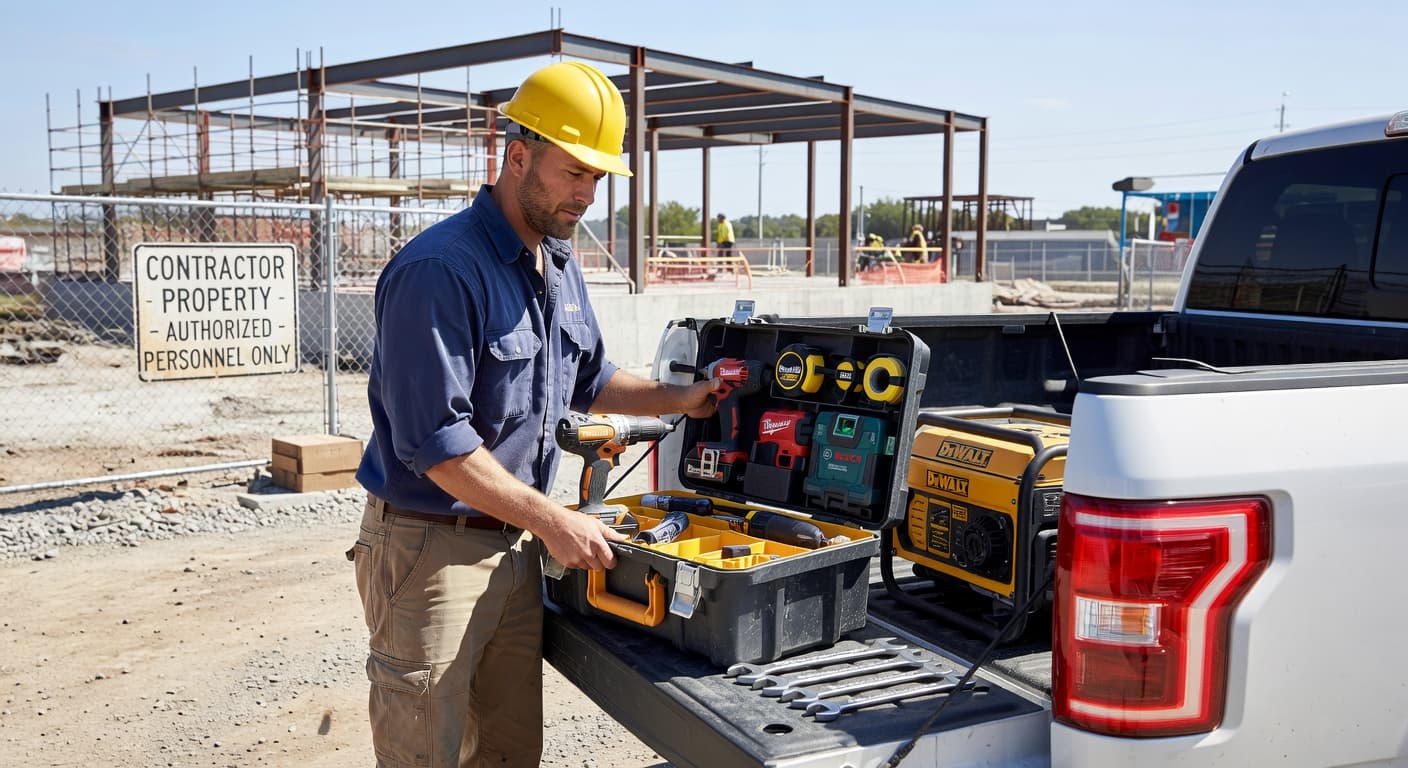
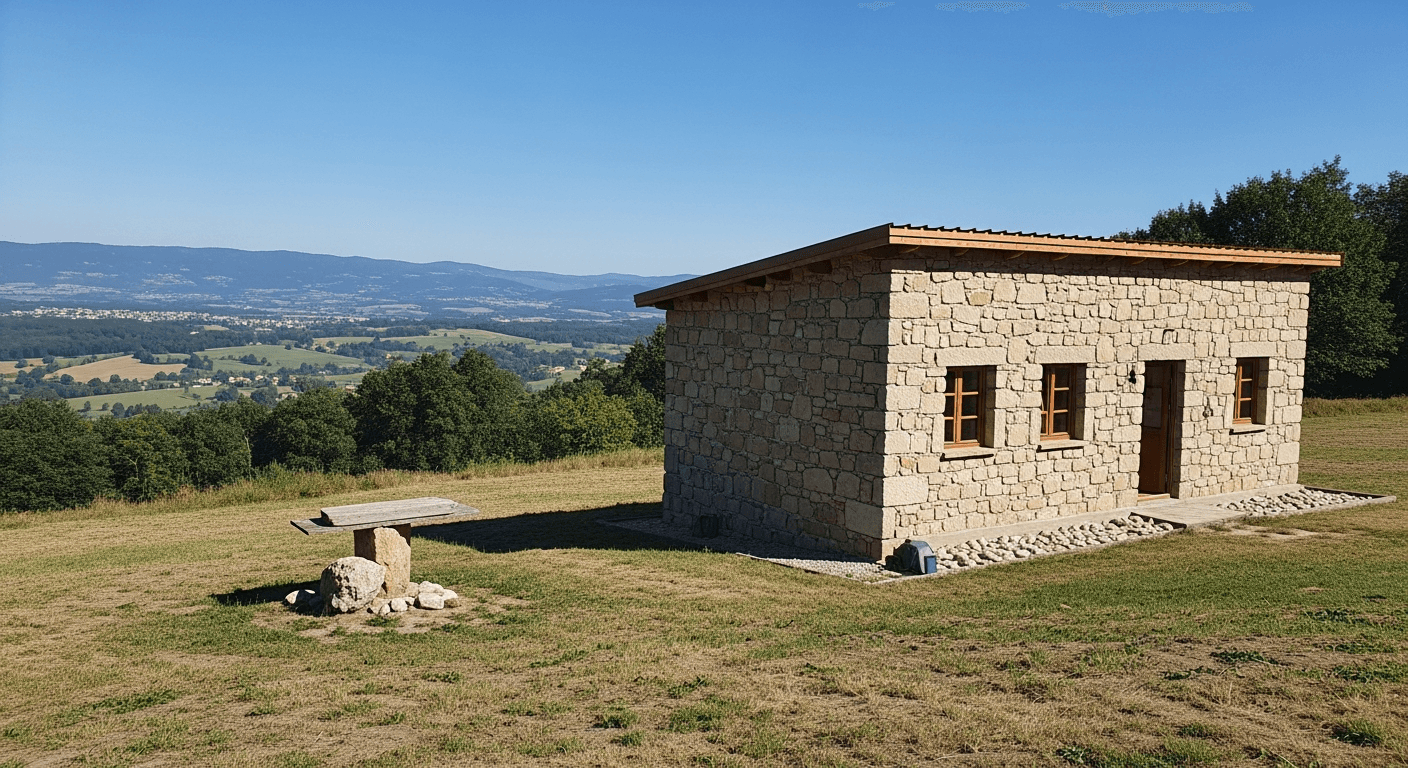
Commercial property insurance matters in Maine because your building, inventory, and equipment face winter storm exposure, coastal weather, and everyday theft or vandalism risk that can interrupt operations fast. The state's insurance market is active, with 260 insurers competing for business across 42,600 companies. With that many carriers vying for your premium, you have room to negotiate on limits, endorsements, and price when comparing quotes. Of those, 99.1% are small businesses, which means most owners are shopping for coverage that protects a modest footprint without paying for unnecessary extras. Coverage needs can shift with roof age, construction type, proximity to the coast, and how easily a property can be restored after a covered loss. Whether you lease a downtown storefront or own a freestanding building near the shore, your policy helps you think through building protection, business personal property coverage, and business income coverage before a storm or fire forces a shutdown.
What Commercial Property Insurance Covers
If you own the structure, building coverage can help protect it directly. Business personal property coverage then applies to equipment, furniture, fixtures, inventory, computers, and signage inside. The standard policy language addresses fire risk, theft, vandalism, storm damage, and building damage from covered perils, but it does not automatically include every weather-related loss. In Maine, that distinction matters because nor'easters, winter storms, coastal storm surge, and flash flooding have all produced major disaster declarations. Because flood damage is excluded, properties in coastal and river-adjacent areas may need separate flood protection if that exposure exists.
Equipment breakdown coverage can be important for restaurants, manufacturers, medical offices, and other businesses that depend on mechanical or electrical systems. Ordinance or law coverage also matters when a covered loss triggers local rebuilding requirements, especially in older buildings where code compliance may add repair cost. If a covered event closes your doors, business income coverage may help with lost revenue and continuing expenses during the interruption period, subject to policy terms and waiting periods. Maine does not impose a single statewide commercial property mandate, but requirements can vary by industry and business size.

Building Coverage
Can help pay to repair or rebuild your building after covered damage like fire, wind, or vandalism.

Business Personal Property
Can help replace furniture, inventory, equipment, and supplies inside your building when a covered event damages or destroys them.
Business Income
May replace lost revenue and help cover ongoing expenses like payroll and rent while covered damage keeps your business closed.

Equipment Breakdown
Typically covers sudden mechanical or electrical failure of equipment like HVAC systems, boilers, or refrigeration units, which standard property policies often exclude.
Ordinance or Law
Can help cover the added cost of rebuilding to current building codes after a covered loss to an older structure.
Commercial Property Insurance Requirements in Maine
- Maine's Bureau of Insurance regulates commercial property coverage, and policy details can vary by carrier and filing.
- Requirements may also vary by industry and business size, so there is no one-size-fits-all limit structure.
- Because standard policies exclude flood damage, a separate flood policy may be needed even outside a designated flood zone.
- Ordinance or law coverage and equipment breakdown coverage are important endorsements to review for older buildings and equipment-heavy operations.
How Much Does Commercial Property Insurance Cost in Maine?
Average Cost in Maine
$60 - $240
per month
Businesses in Maine typically see commercial property insurance premiums of $60 - $240 per month, which tends to run 15% below the national range of $65 - $290 per month.
- Building value and construction type
- Roof age and condition
- Fire protection class
- Occupancy and the operations inside the building
- Business personal property and equipment values
- Wind and hail deductible terms
Contact CPK Insurance for a personalized quote.
For Maine businesses, commercial property insurance cost depends on the property and policy structure. Maine's premium index is 96, which sits just below the national baseline of 100. That means premiums here run slightly lower than the U.S. average, though your individual quote depends on property-specific factors. A property in coastal Hancock County, York County, or another storm-exposed area may price differently than a similar building inland. That gap exists because Maine's top hazards include nor'easters and winter storms rated high, while flooding and coastal erosion also affect pricing decisions.
Your property's physical details shape the quote. Businesses with higher equipment values, more inventory, or a stronger need for business income coverage usually need broader limits, which can raise premiums. A higher deductible can lower monthly cost, but only if the business can absorb the out-of-pocket share after a loss. Comparing quotes from multiple carriers is a practical way to see how each insurer prices the same property differently. The most reliable savings come from matching limits to actual replacement needs rather than overbuying or underinsuring.
| Property Type | What's Covered | Common Exclusions |
|---|---|---|
| Building | Structure, roof, systems, permanent fixtures | Flood, earthquake, normal wear |
| Business Personal Property | Equipment, inventory, furniture, computers | Employee personal property, vehicles |
| Tenant Improvements | Build-outs, custom installations, modifications | Structural changes without landlord approval |
| Business Income | Lost revenue during covered shutdown | Losses from non-covered perils |
| Extra Expense | Additional costs to minimize shutdown | Costs not related to covered loss |
Building
- What's Covered
- Structure, roof, systems, permanent fixtures
- Common Exclusions
- Flood, earthquake, normal wear
Business Personal Property
- What's Covered
- Equipment, inventory, furniture, computers
- Common Exclusions
- Employee personal property, vehicles
Tenant Improvements
- What's Covered
- Build-outs, custom installations, modifications
- Common Exclusions
- Structural changes without landlord approval
Business Income
- What's Covered
- Lost revenue during covered shutdown
- Common Exclusions
- Losses from non-covered perils
Extra Expense
- What's Covered
- Additional costs to minimize shutdown
- Common Exclusions
- Costs not related to covered loss
How Maine compares with the national baseline
Property crime per 100,000 residents
1,420 vs 2,200 baseline
Property crime in Maine runs below the national average, at 1,420 vs 2,200 incidents per 100,000 residents.
Blue bar: Maine. Gray line: national baseline.
Prices shown are general estimates, not guaranteed rates or quotes. Your actual premium will depend on the insurer, coverage selected, business details, location, claims history, and other underwriting factors. Learn about our pricing methodology.
Request a Quote Comparison
Enter your ZIP code to compare commercial property insurance rates from top carriers.
Business insurance starting at $25/mo
Who Needs Commercial Property Insurance?
Owners who hold the deed to a storefront, office, warehouse, clinic, or light industrial building in Maine usually need this coverage because the policy protects the structure and its contents. That includes businesses across the state where storm damage, wind, snow load, or water intrusion can affect roofs, siding, signage, and interior finishes. Retailers and hospitality operators are common buyers because their operations depend heavily on inventory, fixtures, and foot traffic that can be disrupted by a covered closure. Both depend on inventory, furniture, fixtures, and business income coverage after a covered closure.
Healthcare and social assistance organizations also often need business property insurance because offices, exam rooms, and specialized equipment can be expensive to replace or repair. Manufacturers and construction-related firms may need broader building coverage and equipment breakdown coverage when operations depend on machinery, refrigeration, or electrical systems. Even businesses that lease rather than own should review their lease language, since tenant improvements, signage, and business personal property can still be exposed. For property risk, the key question is whether your operation depends on a physical location, inventory, or equipment that would be costly to replace after fire, theft, vandalism, or storm damage.
Commercial Property Insurance by City in Maine
Commercial Property Insurance rates and coverage options can vary across Maine. Select your city below for localized information:
How to Buy Commercial Property Insurance
Start by confirming whether you own the building or only lease space, because that changes whether you need building coverage, business personal property coverage, or both. In Maine, the policy is regulated by the Maine Bureau of Insurance, so comparing offers from multiple carriers is a sensible step rather than relying on the first quote. Ask each insurer for a quote that reflects your exact address, construction type, roof age, occupancy, fire protection class, and the value of inventory, fixtures, and equipment. If your operation depends on specialized machinery or refrigeration, ask about equipment breakdown coverage and whether the endorsement fits your risk.
If you operate in an older building or a property that may need code-driven repairs after a loss, ask how ordinance or law coverage is handled. For businesses that could lose revenue during repairs, request business income coverage terms and any waiting period details. A restaurant in Portland, a medical office in Bangor, and a warehouse near Augusta may need different limit structures based on industry and business size. Before you bind coverage, verify whether the policy uses replacement cost or actual cash value, because that choice affects claim payment after building damage or equipment loss. Request a quote through CPK Insurance to compare your options with participating licensed providers.
How to Save on Commercial Property Insurance
The most effective way to lower cost is to right-size the policy to actual property value, contents value, and interruption exposure instead of guessing at limits. If you can document updated roofing, fire protection, secured entry points, and good housekeeping, insurers may view the property more favorably. Maine pricing is sensitive to construction type, fire protection class, and location, and a higher deductible can reduce premium, but only if your cash flow can absorb the out-of-pocket share after a storm or fire.
Bundling property with other coverage can help in some cases, and a Business Owners Policy can be more cost-efficient than buying pieces separately, though the right structure varies by business. For operations near the coast or in areas exposed to winter storm damage, ask whether ordinance or law coverage and business income coverage are truly needed at the limits you select, because extra endorsements can change the quote. If your property has expensive machinery, ask whether equipment breakdown coverage should be scheduled only where it is needed rather than across every item. Compare multiple quotes because pricing can differ materially even for the same address. Keep claims history clean by maintaining the building, documenting repairs, and reducing preventable losses, since prior claims can affect future pricing. If you lease, ask your landlord which parts of the building are their responsibility and which tenant improvements you should insure yourself, so you do not pay for duplicate protection.
Our Recommendation for Maine
If you own the structure, prioritize building coverage. If you lease, make sure your business personal property coverage and tenant improvements are not overlooked. Ask for replacement cost terms whenever possible, because actual cash value can reduce claim payment through depreciation.
Businesses in coastal or older buildings should pay close attention to ordinance or law coverage and business income coverage. Rebuilding after a covered loss can trigger code-driven costs and extended downtime that a base policy may not fully address. Compare quotes from multiple Maine carriers and verify that the limits reflect your inventory, equipment, and reopening timeline.
FAQ
Frequently Asked Questions
In Maine, commercial property insurance may help cover the building you own, plus business personal property such as equipment, furniture, fixtures, inventory, computers, and signage after covered losses like fire, windstorm, hail, theft, vandalism, and some water damage.
Leasing does not remove the need to protect your own assets, because tenant improvements, business personal property, and signage can still be exposed even when the landlord insures the structure.
Your monthly cost depends on location, building type, limits, deductibles, claims history, and endorsements.
Maine pricing is influenced by storm exposure, proximity to the coast, fire protection class, construction type, roof condition, occupancy type, and whether you add business income coverage or equipment breakdown coverage.
No. Standard commercial property policies exclude flood damage, so a separate commercial flood policy is needed if that exposure exists.
Compare replacement cost versus actual cash value, building limits, business personal property limits, business income coverage, equipment breakdown coverage, ordinance or law coverage, deductibles, and any coastal or storm-related restrictions.
If a covered fire, storm, theft, or vandalism loss damages the property, the policy may help pay to repair or replace covered items, and business income coverage may help with lost revenue and continuing expenses during the shutdown.
Commercial property insurance in the U.S. generally addresses buildings, contents, and related property exposures described in the policy. III says a BOP covers any buildings the business owns and much of the property needed to run the business, so your declarations and endorsements matter.
Sources
- 1.iii.org
Updated July 16, 2026