







































Updated July 16, 2026

Commercial Truck Insurance in Lewiston
A tighter local market changes how you shop for truck coverage here. Fewer carriers may want every class of vehicle, radius, or hauling profile, so your submission quality matters more, and certificate requests often move on relationship speed as much as price. When you request quotes, bring a clean vehicle schedule, driver list, garaging address, and a clear description of whether you handle contractor hauling, retail delivery, service calls, or medical-related routes. Androscoggin County has 2,905 business establishments, so you are often bidding against companies that already have coverage in place. Underwriters here notice operational details quickly, including who parks trucks overnight, whether units cross into nearby towns daily, and how often you add hired or non-owned vehicles for overflow work.
Commercial Truck Insurance Risk Factors in Lewiston
Lewiston's top risk factors include Winter storm damage, Ice dam damage, Frozen pipe bursts, and Snow load collapse.
Maine has a moderate climate risk rating. Top hazards: Nor'easter (High), Winter Storm (High), Flooding (Moderate), Coastal Erosion (Moderate). The state's expected annual loss from natural hazards is $180M, which influences commercial truck insurance premiums and may affect coverage availability in high-risk areas.
What Commercial Truck Insurance Covers
Commercial truck insurance in Maine is usually built around the way the truck is used, not just what it is. Motor carrier liability is the core layer for many trucking risks, and you should compare that limit against the federal freight minimum and any shipper or broker requirement that may be higher. Maine's commercial auto minimums sit at $50,000/$100,000/$25,000, meaning the state floor is higher than many others, but trucking operations often need even more depending on freight, contracts, and route exposure. Physical damage coverage can help with repair or replacement after a collision or other covered loss, which is especially relevant where winter storms and road conditions increase accident risk. Cargo insurance is separate from liability and may help cover goods in transit, with limits and terms tied to the freight you haul. Trailer interchange can help protect you if you handle non-owned trailers under agreement. Bobtail coverage or non-trucking liability can apply when the truck is being operated outside dispatch. The Maine Bureau of Insurance regulates the market, so your policy should be matched to your operation rather than chosen from a one-size-fits-all form.
Coverage Included

Motor Carrier Liability
Can help cover injuries and property damage your truck causes to others, a coverage federal regulators require most for-hire carriers to maintain.
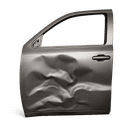
Physical Damage
Can help pay to repair or replace your own truck after an accident, fire, theft, or vandalism.
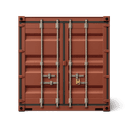
Cargo Coverage
May pay for damage to or theft of the freight you are hauling while it is in your care.
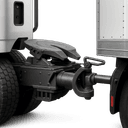
Trailer Interchange
Can help cover damage to trailers you haul under an interchange agreement but do not own.
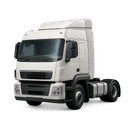
Bobtail Coverage
May provide liability protection when you drive your tractor without a trailer attached, such as after dropping off a load.

Non-Trucking Liability
Can help cover accidents that happen when you use your truck for personal errands rather than dispatched work.
Commercial Truck Insurance Cost in Lewiston
Average Cost in Maine
$340 - $850
per month
Businesses in Maine typically see commercial truck insurance premiums of $340 - $850 per month, which tends to run 22% below the national range of $400 - $1,125 per month.
- Radius of operation
- Commodities hauled and cargo value
- Number and value of power units
- Driver motor vehicle records and CDL experience
- DOT safety record, inspections, and FMCSA scores
- Liability limits and physical damage deductibles
Contact CPK Insurance for a personalized quote.
Prices shown are general estimates, not guaranteed rates or quotes. Your actual premium will depend on the insurer, coverage selected, business details, location, claims history, and other underwriting factors. Learn about our pricing methodology.
Coverage limits and deductibles, claims history, location, industry profile, and policy endorsements all affect the quote. Location matters because winter storm exposure, coastal routes, and the way a truck is garaged or dispatched may influence underwriting. Carrier appetite differs by operation type, so shopping across more than one can help you compare options. A long-haul fleet moving freight through higher-exposure corridors may price differently than a local delivery truck operating in one county. Claims history also matters because common crash causes in the state include following too closely, lane departure, and reckless driving. If those patterns show up in your fleet's record, a carrier may view your operation as higher risk and price accordingly. If you add cargo or other endorsements, the premium can change with each one and with the deductible you choose.
Industries & Insurance Needs in Lewiston
The county business mix is what changes demand here. In Androscoggin County, the leading sectors by establishment share are retail trade at 14.7%, construction at 14.6%, and health care and social assistance at 13.6%, so truck use often centers on deliveries, contractor equipment and material runs, and service vehicles supporting care-related operations rather than long-haul freight alone. That matters because the right quote depends on the actual duty cycle of each unit. A pickup hauling tools to jobsites, a box truck making store deliveries, and a vehicle supporting health-related services can trigger different questions about radius, cargo, attached equipment, driver usage, and stop frequency. If your fleet does more than one of those jobs in the same week, ask for each vehicle to be rated by its real use instead of grouping everything under one broad description.
What Makes Lewiston Different
This city has a concentrated buyer pool, which means your reputation and responsiveness often matter as much as your rate. In a smaller commercial community, your truck policy is often judged less by abstract fleet size and more by how clearly your operation fits the work local businesses actually buy. Contractors, retailers, property owners, and service buyers want certificates quickly and expect names, vehicles, and coverage details to match the job at hand. That makes administrative readiness part of the buying decision, not just premium. If your operation adds trailers seasonally, uses employee vehicles occasionally, or shifts between delivery and jobsite work, those details should be settled before binding. Handling that upfront reduces certificate corrections, avoids mismatches between scheduled vehicles and actual use, and gives underwriters a cleaner picture of why your trucks are on the road.
Our Recommendation for Lewiston
Start with a vehicle-by-vehicle review instead of asking for one broad fleet quote. Here, that usually means separating contractor pickups, vans, box trucks, and any heavier units by use, garaging, and driver assignment. If you serve local stores, jobsites, or care-related accounts, ask whether your policy language and endorsements fit frequent stops, loading activity, and certificate requests from third parties. Check your hired and non-owned auto exposure whenever supervisors or employees drive personal vehicles for work purposes. If a truck is financed or leased, confirm lienholder and loss payee details before binding so paperwork does not delay release. You should also ask how physical damage deductibles, towing, rental reimbursement, and trailer coverage apply to each unit, because those choices affect downtime after a claim as much as premium. Gather your current declarations page and any contract insurance requirements before you compare quotes.
Get Commercial Truck Insurance in Lewiston
Enter your ZIP code to compare commercial truck insurance rates from carriers in Lewiston, ME.
Business insurance starting at $25/mo
FAQ
Frequently Asked Questions
Lewiston area accounts often want proof before work starts because many jobs here are business-to-business. Bring certificate wording, additional insured requests, and vehicle details into the quote process early to avoid last-minute revisions.
Lewiston operations can place them on one policy, but each vehicle should be rated for its actual use. A contractor pickup, delivery box truck, and service van can present different radius, cargo, and stop-frequency questions, and those details shape how an underwriter evaluates the account.
Androscoggin County is led by retail trade at 14.7%, construction at 14.6%, and health care and social assistance at 13.6%, so your trucks likely face a mix of delivery, jobsite, and service demands. Describe each duty cycle clearly before you compare quotes.
Lewiston submissions usually move better when you provide a complete vehicle schedule, driver list, garaging address, loss runs if available, and any contract insurance requirements. That gives underwriters a cleaner picture of radius, usage, and certificate needs from the start.
It can be structured around motor carrier liability, physical damage, cargo coverage, trailer interchange, bobtail coverage, and non-trucking liability insurance, depending on how your truck is used in Maine.
Maine commercial auto minimums are $50,000/$100,000/$25,000, and the state is regulated by the Maine Bureau of Insurance, but trucking contracts and freight rules may require higher limits.
Premiums often start from $340 to $850 per month per truck in Maine, though your actual premium depends on limits, deductibles, claims history, location, and endorsements.
Many Maine trucking operations need motor carrier liability as the core layer, cargo if they haul goods for others, and physical damage if they want repair or replacement protection for the truck itself.
Sources
- 1.U.S. Census Bureau, County Business Patterns, Androscoggin County(Androscoggin County has 2,905 business establishments, so a lot of local work starts with another business asking for proof of insurance before a load, subcontract, or site visit is approved.; In Androscoggin County, the leading sectors by establishment share are retail trade at 14.7%, construction at 14.6%, and health care and social assistance at 13.6%, so truck use often centers on deliveries, contractor equipment and material runs, and service vehicles supporting care-related operations rather than long-haul freight alone.)
Updated July 16, 2026





