







































Updated July 5, 2026

Inland Marine Insurance in Lewiston
A lot of local buyers start this review when a downtown lease is signed, a contractor lines up spring work, or a shop owner realizes tools, stock, or display equipment will spend part of the week away from the main address. That is the point where inland marine insurance in Lewiston becomes a practical conversation, not a generic add-on. Here, the question is usually less about a single warehouse and more about property that moves between a storefront, a vehicle, a temporary work site, or a customer location.
That matters because the county around the city supports 2,905 business establishments, so vendors, landlords, and project partners often expect you to show clear insurance details before property starts moving under your control. If your operation depends on portable tools, installation materials, medical equipment, computers, or items you take off premises for service calls or events, your quote should match that movement. Before you request terms, list what leaves your main location, who transports it, where it is stored overnight, and whether values spike during busy seasons. That gives you a cleaner schedule of property and a more useful quote comparison.
Inland Marine Insurance Risk Factors in Lewiston
Lewiston's top risk factors include Winter storm damage, Ice dam damage, Frozen pipe bursts, and Snow load collapse.
Maine has a moderate climate risk rating. Top hazards: Nor'easter (High), Winter Storm (High), Flooding (Moderate), Coastal Erosion (Moderate). The state's expected annual loss from natural hazards is $180M, which influences inland marine insurance premiums and may affect coverage availability in high-risk areas.
What Inland Marine Insurance Covers
In Maine, inland marine coverage is designed for property that does not stay put. This matters because standard commercial property policies are tied to a fixed premises. That means tools, portable equipment, materials, and goods moving between job sites can be insured while they are in transit, at a customer location, or in temporary storage. For Maine businesses, that mobility matters in places like Augusta, Portland, Bangor, and coastal communities where work often shifts between locations and weather can interrupt schedules. Coverage choices can be tailored to tools and equipment, goods in transit, contractors equipment, installation floater, or builders risk.
State-specific rules are generally handled through the Maine Bureau of Insurance, and requirements depend on what your business actually does rather than through one universal mandate. That means the policy form, endorsements, limits, and deductibles should be reviewed carefully before binding. Your policy may include theft, damage, vandalism, and other covered perils, but the exact scope depends on the carrier and endorsements you choose. For Maine businesses working through winter storms, flooding, or coastal conditions, it is especially important to confirm whether property is protected while on a job site, in transit between counties, or stored temporarily offsite. Because Maine has a large small-business base and many businesses operate with portable assets, the policy should be matched to how often equipment moves and where it is exposed.
Coverage Included
Tools & Equipment
Can help repair or replace hand tools, power tools, and gear that are stolen or damaged on the job or in transit.

Goods in Transit
May cover products, materials, and merchandise while they are being shipped or hauled between locations in your care.
Contractors Equipment
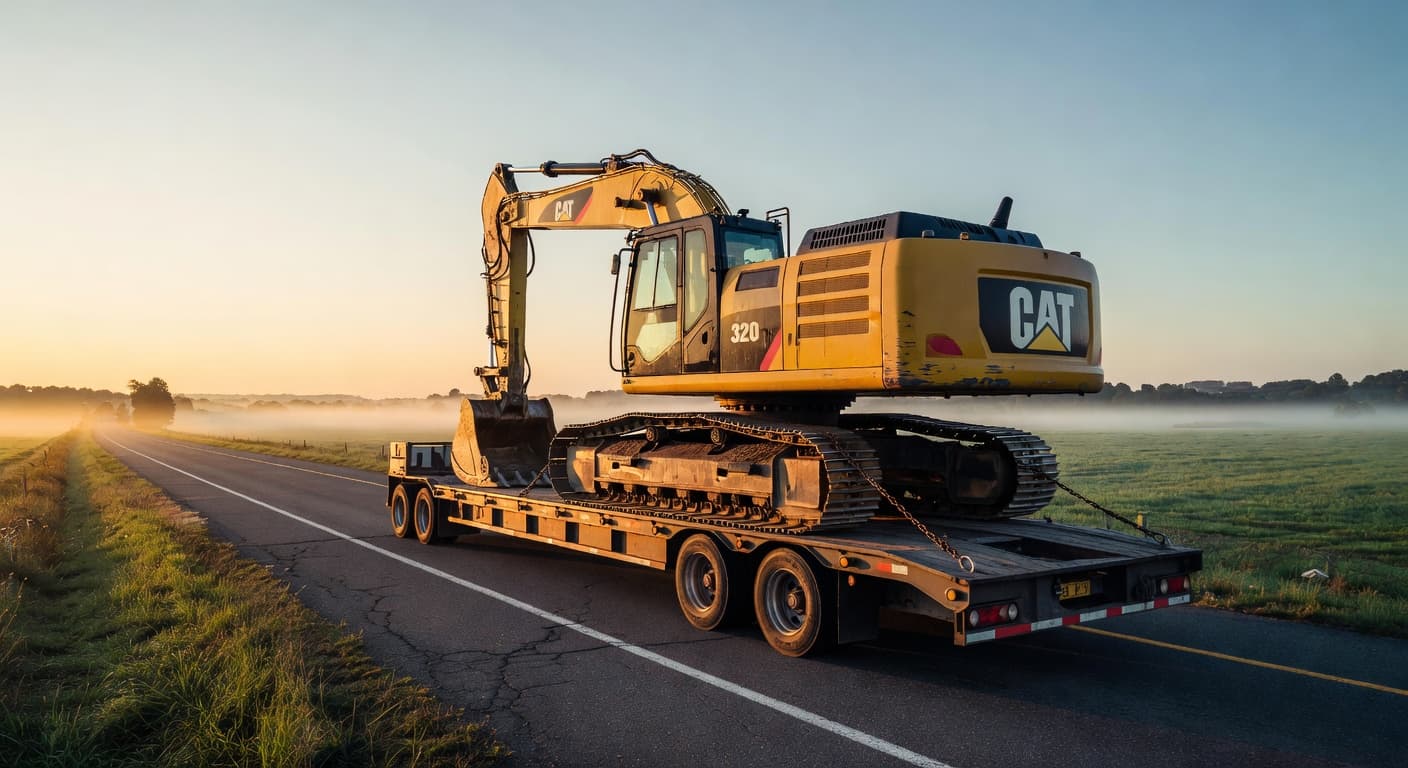
Typically covers heavy machinery like excavators, loaders, and generators against theft or damage at job sites and between them.

Installation Floater
Can help cover materials and fixtures from the moment you buy them until they are installed and accepted at a project.
Builders Risk
May cover a structure under construction, along with materials on site, against damage from fire, wind, theft, and vandalism.
Inland Marine Insurance Cost in Lewiston
Average Cost in Maine
$20 - $90
per month
Businesses in Maine typically see inland marine insurance premiums of $20 - $90 per month, which tends to run 8% below the national range of $20 - $100 per month.
- Total insured value of the scheduled property
- Type and age of the equipment
- Where it is stored and how far it travels
- Jobsite security and theft prevention
- Per-item limits and deductibles
- Prior theft and in-transit losses
Contact CPK Insurance for a personalized quote.
Prices shown are general estimates, not guaranteed rates or quotes. Your actual premium will depend on the insurer, coverage selected, business details, location, claims history, and other underwriting factors. Learn about our pricing methodology.
For Maine businesses, the average premium range for this coverage is about $20 to $90 per month, with broader small-business figures showing a typical range of $20 to $100 per month depending on the account. Maine's premium index is 96, meaning pricing runs about 4% below national levels, so your final cost usually comes down to the details of the risk rather than a statewide surcharge. Coverage limits and deductibles, claims history, location, industry or risk profile, and policy endorsements all influence the final price.
Maine-specific conditions can push pricing one way or another. A contractor moving tools across coastal routes, inland towns, and winter-weather job sites may pay differently than a business with limited travel and shorter hauling distances. Nor'easters and winter storms are high-rated hazards in the state, and flooding and coastal erosion can also matter when equipment is staged near shorelines or in low-lying storage areas. If your property spends time in temporary storage, at customer sites, or in transit between counties, the carrier may look more closely at the value and frequency of movement.
Maine also has a competitive insurance market, so comparing terms can be as important as comparing price. A lower quote may reflect narrower terms, higher deductibles, or different endorsements, so the quote should be reviewed for the exact protection you need. For many Maine small businesses, the best pricing discussion starts with how much mobile property you actually move, how often it moves, and whether you need separate limits for tools, equipment, materials, or installation work.
Industries & Insurance Needs in Lewiston
Androscoggin County's business mix changes who should look closely at this coverage. Retail trade accounts for 14.7% of establishments, construction 14.6%, and health care and social assistance 13.6%, so a large share of local businesses handle property that is mobile, installed offsite, or temporarily kept away from the main premises. For a retailer, that can mean display items, pop-up inventory, or equipment used at events. For a contractor, it is often tools, materials, and small equipment moving from truck to site to storage. For health care and social assistance operations, it may involve portable diagnostic, service, or support equipment used across locations.
That mix does not mean every account needs the same form. It does mean you should ask whether your policy needs itemized equipment, installation coverage, or broader protection for property in transit and at temporary locations. Start with the property that earns revenue away from your address, then review limits by class instead of assuming your main property policy follows it everywhere.
What Makes Lewiston Different
Mobility is the key difference here. In this market, many buyers are not shipping goods across the country. They are moving valuable property short distances, between a main location, a vehicle, a client site, and temporary storage during the same week. That shorter travel pattern can make owners underestimate the exposure, especially when the property is unloaded, staged for installation, or left off premises overnight.
The practical buying move is to map the route your property takes after it leaves the building. If you cannot tell an agent what travels, who carries it, and where it sits between jobs, your inland marine quote is probably too generic to be dependable.
Our Recommendation for Lewiston
Start with a property movement audit, not a limit guess. List the tools, materials, equipment, or stock that leave your main address, then separate them by how they travel: in a company vehicle, by employee transport, by delivery, or to a temporary job site. That usually shows whether you need scheduled items, a broader contractors equipment approach, installation coverage, or another inland marine form.
If your household or business budget is tight, be especially deliberate about deductibles and item values. Lewiston's median household income is $56,558, so an avoidable gap on a stolen or damaged piece of mobile property can hit cash flow harder than many owners expect. Review replacement cost versus actual cash value, ask how offsite storage is treated, and confirm whether borrowed or rented equipment needs separate handling. Before binding, compare the quote against your real weekly movement pattern, not just your street address.
Get Inland Marine Insurance in Lewiston
Enter your ZIP code to compare inland marine insurance rates from carriers in Lewiston, ME.
Business insurance starting at $25/mo
FAQ
Frequently Asked Questions
Lewiston buyers should start with any operation that regularly takes tools, materials, equipment, or stock away from the main address. In Androscoggin County, construction makes up 14.6% of establishments, which is a strong signal to review mobile property exposures carefully.
Lewiston contractors often find the real issue starts after tools leave the scheduled premises. If equipment rides in trucks, sits at a job site, or is staged before installation, ask for inland marine terms built around that movement pattern.
Androscoggin County retailers should pay attention because retail trade represents 14.7% of county establishments. If inventory, displays, or sales equipment travel to events, temporary spaces, or customer locations, off-premises property should be reviewed specifically.
Lewiston service businesses should gather a current equipment list, item values, where property is stored overnight, who transports it, and whether anything is rented or borrowed. That gives you a quote built around actual movement instead of a vague offsite assumption.
Lewiston buyers should raise that question when policy language on transit, temporary storage, or valuation is unclear. The Maine Bureau of Insurance is the state's regulator, but your first step is still to get the form and endorsements explained before you buy.
In Maine, it can cover portable tools, equipment, materials, and goods while they are in transit, at job sites, or in temporary storage, but the exact list depends on the carrier and the scheduled items.
If your property is kept in temporary storage away from your fixed location, inland marine coverage can follow it there, which matters for Maine businesses that stage materials between jobs or during weather delays.
Contractors, builders, and any business that regularly moves valuable property between job sites or coastal areas often need it most, especially if tools or materials leave the main premises.
Sources
- 1.U.S. Census Bureau, County Business Patterns, Androscoggin County(The county around the city supports 2,905 business establishments; Androscoggin County's business mix includes retail trade at 14.7%, construction at 14.6%, and health care and social assistance at 13.6%)
- 2.U.S. Census Bureau, ACS 5-Year Estimates, table B19013(Lewiston's median household income is $56,558)
- 3.Maine Bureau of Insurance(The Maine Bureau of Insurance is the state's regulator)
Updated July 5, 2026





