Updated July 16, 2026

Builders Risk Insurance in Portland
Professional, scientific, and technical services represent the largest share of Cumberland County business establishments at 12.5%, with health care close behind at 12.4% and retail at 11.9%. You are therefore more likely to find yourself renovating an occupied office suite or medical buildout than breaking ground on a vacant lot. That means your policy needs to track phased work, owner-supplied materials, lender requirements, and occupied-adjacent conditions rather than treating the project like a simple new build. When a clinic or retail tenant is waiting on your finish date, a delay can push back their lease start or equipment delivery, which raises the stakes on getting coverage details right from day one. Come prepared with the scope of work and a clear picture of how materials, occupancy, and financial interests shift across each stage. A quote built on those specifics can help you spot gaps before the first delivery arrives.
Builders Risk Insurance Risk Factors in Portland
Portland's top risk factors include Winter storm damage, Ice dam damage, Frozen pipe bursts, and Snow load collapse.
Maine has a moderate climate risk rating. Top hazards: Nor'easter (High), Winter Storm (High), Flooding (Moderate), Coastal Erosion (Moderate). The state's expected annual loss from natural hazards is $180M, which influences builders risk insurance premiums and may affect coverage availability in high-risk areas.
What Builders Risk Insurance Covers
Where property is located before installation, and how exposed the site stays between delivery and enclosure, often shapes the practical coverage review. That is especially important on projects with staged material drops, remote job locations, or renovation work where weather can reach partially completed areas for longer than expected. Instead of treating the policy as a simple box to check, review whether the form addresses temporary storage, materials in transit if needed, and the categories of property that matter to your build sequence.
Look closely at how the policy handles temporary structures, scaffolding, fencing, and similar jobsite property if those items are part of your risk transfer plan. On a project here, site protection can change quickly as conditions shift, so the useful question is not just whether something is covered, but under what terms, limits, and causes of loss. If the project includes custom components, imported finishes, or mechanical equipment with long replacement times, ask how those items are valued after a covered loss and what documentation the carrier expects.
For coastal or weather-sensitive work, it is worth reviewing exclusions and waiting periods with care. A builder, owner, or lender may assume the policy responds one way, while the actual form narrows recovery for certain causes of loss or categories of expense. If your contract pushes delay risk back onto you, ask whether soft costs like lost rental income, additional loan interest, or real estate taxes during delay should be considered. The goal is to match the policy to the build plan, the site conditions, and the contract obligations before work gets too far along.
Coverage Included

Structure Coverage
Covers the building or structure under construction.

Materials on Site
Covers building materials stored at the construction site.

Materials in Transit
Covers materials being transported to the job site.
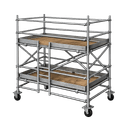
Temporary Structures
Covers scaffolding, fencing, and temporary buildings.

Soft Costs
Covers additional expenses from construction delays due to covered losses.

Equipment Coverage
Covers permanently installed fixtures and equipment.
What Makes Portland Different
Renovation and tenant improvement work is what shapes most coverage decisions in this market. With 12,174 business establishments across Cumberland County, much of the local construction happens inside or adjacent to operating commercial space. Your policy may need to account for conditions a vacant site never raises. The review shifts from completed value alone to logistics like staged materials, shared-wall exposure, and work sequencing around active tenants. Those logistics also shape who gets named on the policy and what documentation a lender wants before releasing funds. If your job involves a medical office conversion, retail refresh, or professional suite buildout, you might ask whether terms can be structured for phased renovation and whether business interruption exposure for neighboring tenants may be addressed.
Our Recommendation for Portland
Start by pulling your construction agreement and draw schedule, then check them against the policy's covered property, valuation method, and end of coverage trigger. That review matters most on remodels and fit-outs where the owner, tenant, lender, and general contractor each hold a different financial interest in the same job. Portland's median home value sits at $452,600. A mid-range renovation at that price point can carry enough invested value that underreported materials or soft costs leave a real gap if a loss hits mid-project. For higher-finish homes or substantial renovations, consider whether the limit should account for custom components that arrive before installation and whether temporary storage locations need to be scheduled. Portland's median household income of $76,174 gives you a practical read on client cushion. A household at that level may have limited room to cover a large deductible or wait out a construction delay. Bring your plans, contract value, timeline, and any lender insurance requirements to the quote request so the policy gets measured against the real job.
Get Builders Risk Insurance in Portland
Enter your ZIP code to compare builders risk insurance rates from carriers in Portland, ME.
Business insurance starting at $25/mo
FAQ
Frequently Asked Questions
It often is, given the volume of established commercial space in the area. If your project touches an existing occupied building, ask for terms that fit phased renovation, stored materials, and multiple insured interests.
Gather your construction agreement, draw schedule, and any lender or landlord requirements before requesting a quote. Because professional services and health care make up a large share of local establishments, buildouts in those sectors tend to carry tighter documentation requirements and firm opening dates that your policy should reflect.
Residential jobs warrant a careful limit review. At Portland's median home value of $452,600, even a standard renovation can involve enough invested value that a shortfall becomes a real problem. If your renovation includes custom finishes, owner-purchased materials, or a long installation timeline, ask how those values are counted before work begins.
Household finances can shape deductible and delay tolerance. Portland's median household income of $76,174 gives you a practical sense of how much out-of-pocket risk a client can realistically carry during construction. That figure does not set your premium, but it can guide the conversation about deductible levels and whether extra coverage for soft costs makes sense for the project.
The buyer is usually the party the contract makes responsible for insuring the project, often the owner or general contractor. Review the agreement, lender requirements, and named insured wording before work starts so responsibility is clear.
Projects are usually easier to place when the insured value matches the contract and draw schedule. If values are understated, a claim can become harder to settle the way you expect, especially on phased or custom work.
Coastal projects often need a closer review of weather exposure, material storage, and how long the structure stays partially enclosed. Those details can change underwriting terms, deductibles, and the practical fit of one quote versus another.
Renovation projects can often be insured, but the submission should explain what existing structure remains, whether any area stays occupied, and how new work is separated from old. That detail helps avoid a quote built on the wrong assumptions.
Sources
- 1.U.S. Census Bureau, County Business Patterns, Cumberland County(Professional, scientific, and technical services hold the largest establishment share in Cumberland County at 12.5%, just ahead of health care and social assistance at 12.4% and retail trade at 11.9%.; Cumberland County has 12,174 business establishments.)
- 2.U.S. Census Bureau, ACS 5-Year Estimates, table B25077(Portland's median home value is $452,600.)
- 3.U.S. Census Bureau, ACS 5-Year Estimates, table B19013(Portland median household income is $76,174.)
Updated July 16, 2026