








































Updated July 16, 2026

Commercial Truck Insurance in Portland
Portland's peninsula changes how a truck policy should be built. For many operators, that means thinking about dense delivery stops, tighter street access, and clients who expect fast certificates before freight or service vehicles arrive. Whether you run a single box truck serving downtown accounts, a contractor pickup moving tools between Back Cove and outer neighborhoods, or a small fleet making retail and medical deliveries across the local market, the risk often comes down to how often your vehicles stop and back into tight spaces. The county mix also leans toward professional services, health care, and retail, which usually means more scheduled deliveries, more time-sensitive stops, and more backing, loading, and unloading around occupied properties. If your current policy was built for longer rural runs, review hired and non-owned auto, cargo, physical damage, and your protection levels against how your vehicles actually operate here.
Commercial Truck Insurance Risk Factors in Portland
Portland's top risk factors include Winter storm damage, Ice dam damage, Frozen pipe bursts, and Snow load collapse.
Maine has a moderate climate risk rating. Top hazards: Nor'easter (High), Winter Storm (High), Flooding (Moderate), Coastal Erosion (Moderate). The state's expected annual loss from natural hazards is $180M, which influences commercial truck insurance premiums and may affect coverage availability in high-risk areas.
What Commercial Truck Insurance Covers
Commercial truck insurance in Maine is usually built around the way the truck is used, not just what it is. Motor carrier liability is the core layer for many trucking risks, and you should compare that limit against the federal freight minimum and any shipper or broker requirement that may be higher. Maine's commercial auto minimums sit at $50,000/$100,000/$25,000, meaning the state floor is higher than many others, but trucking operations often need even more depending on freight, contracts, and route exposure. Physical damage coverage can help with repair or replacement after a collision or other covered loss, which is especially relevant where winter storms and road conditions increase accident risk. Cargo insurance is separate from liability and may help cover goods in transit, with limits and terms tied to the freight you haul. Trailer interchange can help protect you if you handle non-owned trailers under agreement. Bobtail coverage or non-trucking liability can apply when the truck is being operated outside dispatch. The Maine Bureau of Insurance regulates the market, so your policy should be matched to your operation rather than chosen from a one-size-fits-all form.
Coverage Included

Motor Carrier Liability
Can help cover injuries and property damage your truck causes to others, a coverage federal regulators require most for-hire carriers to maintain.
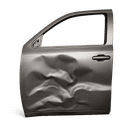
Physical Damage
Can help pay to repair or replace your own truck after an accident, fire, theft, or vandalism.
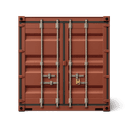
Cargo Coverage
May pay for damage to or theft of the freight you are hauling while it is in your care.
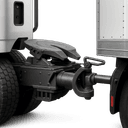
Trailer Interchange
Can help cover damage to trailers you haul under an interchange agreement but do not own.

Bobtail Coverage
May provide liability protection when you drive your tractor without a trailer attached, such as after dropping off a load.

Non-Trucking Liability
Can help cover accidents that happen when you use your truck for personal errands rather than dispatched work.
Commercial Truck Insurance Cost in Portland
Average Cost in Maine
$340 - $850
per month
Businesses in Maine typically see commercial truck insurance premiums of $340 - $850 per month, which tends to run 22% below the national range of $400 - $1,125 per month.
- Radius of operation
- Commodities hauled and cargo value
- Number and value of power units
- Driver motor vehicle records and CDL experience
- DOT safety record, inspections, and FMCSA scores
- Liability limits and physical damage deductibles
Contact CPK Insurance for a personalized quote.
Prices shown are general estimates, not guaranteed rates or quotes. Your actual premium will depend on the insurer, coverage selected, business details, location, claims history, and other underwriting factors. Learn about our pricing methodology.
Coverage limits and deductibles, claims history, location, industry profile, and policy endorsements all affect the quote. Location matters because winter storm exposure, coastal routes, and the way a truck is garaged or dispatched may influence underwriting. Carrier appetite differs by operation type, so shopping across more than one can help you compare options. A long-haul fleet moving freight through higher-exposure corridors may price differently than a local delivery truck operating in one county. Claims history also matters because common crash causes in the state include following too closely, lane departure, and reckless driving. If those patterns show up in your fleet's record, a carrier may view your operation as higher risk and price accordingly. If you add cargo or other endorsements, the premium can change with each one and with the deductible you choose.
What Makes Portland Different
What changes the calculus is how often your drivers work in tighter commercial corridors, shared parking areas, loading zones, and customer properties where a minor backing loss can interrupt business for someone else. In a smaller Maine market, a truck policy may be shaped mostly by radius, vehicle type, and driver history. Around Portland, the operational question is often about stop frequency and access constraints. Cumberland County has 12,174 business establishments, which translates to a lot of loading docks, shared lots, and occupied commercial spaces your drivers are backing into every day. The leading sectors are professional, scientific, and technical services at 12.5%, health care and social assistance at 12.4%, and retail trade at 11.9%, meaning your drivers are walking freight into clinics, offices, and storefronts rather than dropping trailers at a warehouse dock. Route planning, driver scheduling, and loading practices therefore become more important to the insurance conversation than a simple vehicle list.
Our Recommendation for Portland
Start by looking at your stop pattern and truck schedule as a single picture. If your drivers make frequent deliveries to offices, retail locations, or health care related sites, it makes sense to review your protection levels, physical damage deductibles, cargo needs, and any hired and non-owned auto exposure tied to borrowed, rented, or employee-used vehicles. Next, match your paperwork to the way local customers buy. Portland's median household income is $76,174, so your clients are paying for professional service and expect punctual deliveries with clean documentation. Delays around certificates or unclear limits can cost you work even before a claim happens. Check where vehicles are parked after hours, who is allowed to drive them, and whether your policy reflects seasonal shifts in route frequency. If your operation has changed over the past year, having your vehicle schedule, driver list, garaging addresses, and top contract requirements ready helps ensure the policy gets reviewed against how you actually run today.
Get Commercial Truck Insurance in Portland
Enter your ZIP code to compare commercial truck insurance rates from carriers in Portland, ME.
Business insurance starting at $25/mo
FAQ
Frequently Asked Questions
They can. Frequent stops, tighter access, and more loading around occupied businesses often make your protection levels, physical damage, and cargo terms worth checking against your actual route pattern.
Many truck operators here work around commercial leases, vendor rules, and certificate requests tied to that density. The practical effect is on how quickly you need proof of coverage and which endorsements deserve a closer look.
Roughly one in eight county businesses is in professional services, with health care and retail close behind. Delivering to clinics, storefronts, and office buildings puts a premium on backing and loading exposures that deserve real attention.
Portland commercial customers often want proof of coverage before access is granted or work starts. Knowing how fast your provider issues certificates and whether the listed protection fits the contract language can save you the scramble.
A current vehicle schedule, driver list, garaging details, and any customer insurance requirements give participating licensed providers what they need to match your quote to your real routes, parking setup, and delivery obligations.
It can be structured around motor carrier liability, physical damage, cargo coverage, trailer interchange, bobtail coverage, and non-trucking liability insurance, depending on how your truck is used in Maine.
Maine commercial auto minimums are $50,000/$100,000/$25,000, and the state is regulated by the Maine Bureau of Insurance, but trucking contracts and freight rules may require higher limits.
Premiums often start from $340 to $850 per month per truck in Maine, though your actual premium depends on limits, deductibles, claims history, location, and endorsements.
Sources
- 1.U.S. Census Bureau, County Business Patterns, Cumberland County(Cumberland County has 12,174 business establishments, so local trucking risk is tied closely to business-to-business service expectations, certificates of insurance, and property access rules that can affect what limits and endorsements you should review.; The county's leading sectors are professional, scientific, and technical services at 12.5%, health care and social assistance at 12.4%, and retail trade at 11.9%, so many truck accounts here are not just hauling, they are delivering into active workplaces, clinics, and storefront environments.)
- 2.U.S. Census Bureau, ACS 5-Year Estimates, table B19013(Portland's median household income is $76,174, which can support a customer base that expects reliable delivery windows, professional documentation, and quick proof of coverage, so delays around certificates or unclear limits can cost you work even before a claim happens.)
Updated July 16, 2026





