Updated July 5, 2026

Dealer Open Lot Insurance in Portland
A smaller market changes how you shop this coverage. You may see fewer local markets willing to quote unusual inventory mixes, seasonal swings, or vehicles stored across more than one address, so your submission quality matters more. For dealer open lot insurance in Portland, that usually means giving underwriters a cleaner picture of where units sit, how keys are controlled, when vehicles move between display, recon, and overflow space, and who is responsible for each handoff. Local buyers also tend to notice missing or delayed proof quickly, because transactions often move on relationship trust and straightforward documentation rather than volume alone. Portland median household income is $76,174, so many shoppers here arrive with clear expectations about vehicle condition, documentation, and delivery timing. That raises the stakes if a damaged unit, missing option package, or delayed replacement interrupts a sale. Before you request quotes, line up your current inventory list, every storage address you use, your lot security details, and any routine off-hours parking arrangement so the policy review matches how you actually operate.
Dealer Open Lot Insurance Risk Factors in Portland
Portland's top risk factors include Winter storm damage, Ice dam damage, Frozen pipe bursts, and Snow load collapse.
Maine has a moderate climate risk rating. Top hazards: Nor'easter (High), Winter Storm (High), Flooding (Moderate), Coastal Erosion (Moderate). The state's expected annual loss from natural hazards is $180M, which influences dealer open lot insurance premiums and may affect coverage availability in high-risk areas.
What Dealer Open Lot Insurance Covers
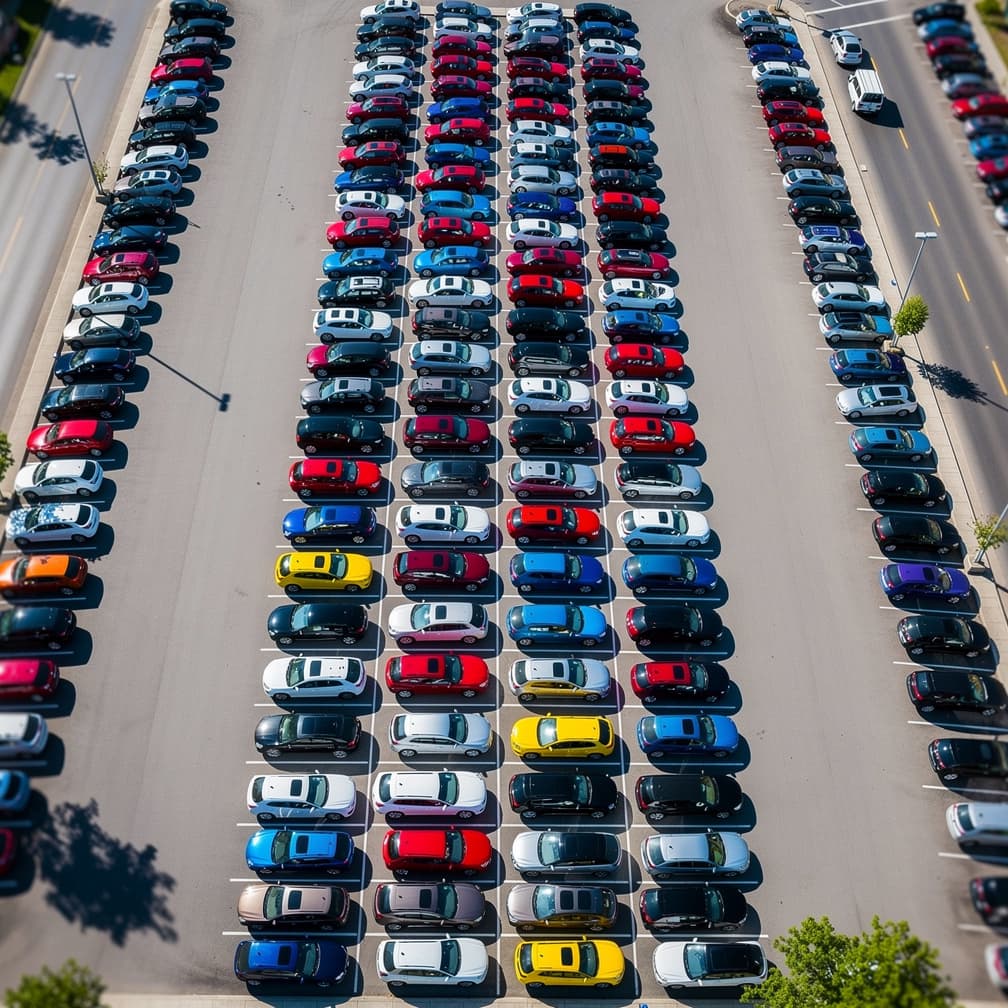
Review how your policy treats inventory handling across mixed-use dealership space. A dealership may keep front-line units near the road, hold lower-turn inventory in a back row, move trucks or SUVs to a plow-cleared overflow area, and stage newly acquired vehicles near service before they are sale-ready.
Review where coverage applies, especially if vehicles are stored at more than one address or moved between owned and non-owned locations. If your lot uses a nearby parcel, a fenced annex, a repair partner's yard, or seasonal overflow parking, ask for those locations to be addressed clearly in the quote. Units in transit between your auction pickup point, reconditioning area, and sales lot need the same attention.
Maine conditions make physical handling a real cost risk. Snow removal, ice buildup, freeze-thaw cycles, and wind-driven debris can cause contact damage or total losses that run from a few thousand dollars per unit to the full retail value of a packed front row. Ask how the policy responds when inventory is being moved by employees, parked temporarily during plowing, or held off the main lot while space is cleared.
Key control, fencing, lighting, camera placement, and test-drive procedures belong in the coverage discussion because they shape how underwriters evaluate theft, vandalism, and unexplained disappearance exposures.
Coverage Included

Weather Damage
Covers hail, wind, flood, and storm damage to lot inventory.
Theft Protection
Covers vehicles stolen from your lot.

Fire Damage
Covers fire and explosion damage to inventory vehicles.

Vandalism
Covers intentional damage to vehicles on your lot.
Test Drive Coverage
Covers vehicles during customer and employee test drives.
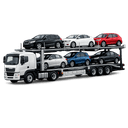
Transit Coverage
Covers vehicles being moved between lot locations.
Industries & Insurance Needs in Portland
County business density is the local demand signal worth watching. Cumberland County has 12,174 business establishments, and its largest establishment shares are professional, scientific, and technical services at 12.5%, health care and social assistance at 12.4%, and retail trade at 11.9%. That mix matters because it can support steady demand for commuter vehicles, light trucks, and practical used inventory rather than a one-size-fits-all lot profile. If your inventory leans toward what nearby employers and households actually buy, carriers may focus less on raw unit count and more on turnover discipline, storage consistency, and how quickly aged units are moved or relocated. When you ask for terms, describe your typical buyer profile, your most common vehicle classes, and whether certain units sit longer than others. That gives the underwriter a more usable picture than inventory totals alone.
What Makes Portland Different
Relationship-driven documentation is the main difference here. In a tighter local market, a dealer often relies on repeat buyers, referral traffic, nearby lenders, and service relationships that all move faster when paperwork is clean and slower when anything about a vehicle's status is unclear. That changes the insurance calculus because dealer open lot claims are easier to sort out when your records show exactly where each unit was kept, when it moved, and whether it was awaiting sale, recon, transport, or delivery prep. The issue is not just physical damage. It is whether your records support the story of the vehicle at the time of loss. If you use a main display lot plus overflow, street-adjacent parking, or a separate service location, review those addresses and handling routines before binding. A thinner market rewards dealers who present a precise schedule of locations, controls, and movement practices the first time.
Our Recommendation for Portland
Start with your lot map, not your last policy. Mark every place a vehicle can spend the night, including overflow areas, service bays, detail space, and any temporary holding arrangement used during busy weeks. Then match that map to your inventory reporting process so units are not listed at one address while actually sitting somewhere else. If you sell a mix of daily-driver inventory and harder-to-place units, ask how longer holding times affect the review of open lot exposure. If keys move between sales, service, and after-hours staff, document that chain clearly before you request terms. You should also ask how the policy treats newly acquired units, dealer trades, and vehicles waiting on parts or cosmetic work, because those are the moments when location records often drift. A useful quote conversation here is specific: addresses, fencing, lighting, key control, transfer routines, and who updates inventory status each day.
Get Dealer Open Lot Insurance in Portland
Enter your ZIP code to compare dealer open lot insurance rates from carriers in Portland, ME.
Business insurance starting at $25/mo
FAQ
Frequently Asked Questions
Portland submissions are easier to place when every storage address is disclosed up front. In a smaller local market, underwriters often focus on where units actually sit overnight, so you should list display, overflow, recon, and temporary holding locations clearly.
Portland buyers often expect clean documentation and quick delivery. With median household income at $76,174, you should be ready to explain vehicle condition, turnover, and how you handle delays, because a disrupted sale can turn a small loss into a larger business problem.
Cumberland County matters because it shapes local vehicle demand. The county has 12,174 business establishments, so you should describe whether your inventory is built for commuter, retail, or light commercial use instead of assuming unit count tells the whole story.
Cumberland County's leading sectors are professional services at 12.5%, health care at 12.4%, and retail trade at 11.9%. That makes it smart to explain your common vehicle classes, expected turnover, and whether some units predictably sit longer than others.
Portland dealers with state-level insurance questions can check the Maine Bureau of Insurance. Use that for regulatory guidance, then review your own lot addresses, inventory controls, and storage practices before asking for a quote.
Maine dealers often do if inventory stays at an overflow or secondary location overnight. Make sure that address and use are clearly reflected in the quote and policy review before a loss occurs.
Maine winter operations can change where vehicles are parked, how tightly inventory is stored, and how often employees move units for plowing or access. Disclose those handling patterns so the policy matches your real lot activity.
The Maine Bureau of Insurance regulates dealer insurance questions in the state. If you need help understanding policy language, complaint channels, or state consumer guidance, that is the regulator buyers should know.
Sources
- 1.U.S. Census Bureau, ACS 5-Year Estimates, table B19013(Portland median household income is $76,174.)
- 2.U.S. Census Bureau, County Business Patterns, Cumberland County(Cumberland County has 12,174 business establishments.; Cumberland County's largest establishment shares are professional, scientific, and technical services at 12.5%, health care and social assistance at 12.4%, and retail trade at 11.9%.)
- 3.Maine Bureau of Insurance(Maine's insurance regulator is the Maine Bureau of Insurance.)
Updated July 5, 2026