Updated July 5, 2026

On-Hook Towing Insurance in Portland
A tighter local market changes how you shop this coverage. Fewer underwriters may want towing risks here, and the ones that do usually look closely at where you store vehicles, how fast you can document condition, and which accounts expect certificates before a release or impound handoff. That makes on-hook towing insurance in Portland less about broad shopping and more about presenting a clean, specific operation. If your work mixes private-property tows, roadside recovery, dealer moves, and police-ordered calls, your quote request should separate those lanes clearly. Cumberland County has 12,174 business establishments, so a lot of your potential clients, from retail sites to medical offices to professional buildings, may want proof of coverage before they let you work their lots or move customer vehicles. Here, the practical edge is preparation: list every truck, describe your storage setup, explain who photographs vehicles at pickup and drop-off, and note any after-hours release procedures. A sharper submission gives an underwriter fewer reasons to guess, and fewer guesses usually means a more usable quote to review.
On-Hook Towing Insurance Risk Factors in Portland
Portland's top risk factors include Winter storm damage, Ice dam damage, Frozen pipe bursts, and Snow load collapse.
Maine has a moderate climate risk rating. Top hazards: Nor'easter (High), Winter Storm (High), Flooding (Moderate), Coastal Erosion (Moderate). The state's expected annual loss from natural hazards is $180M, which influences on-hook towing insurance premiums and may affect coverage availability in high-risk areas.
What On-Hook Towing Insurance Covers
In Maine, the useful question is not the basic definition of on-hook coverage. The real question is where your operation is most likely to create a disputed damage claim, and whether your policy language matches that point in the job. If you run winter roadside calls, review how your coverage is written for slide-offs, ditch pulls, and low-visibility loading conditions. If you move vehicles from coastal communities, ask how salt exposure, tight marina parking areas, and narrow access roads affect underwriting and claim handling. If your drivers work long rural routes, confirm how the policy treats the full trip, not just the first pickup location.
You should also review the handoff points that create arguments after a loss. That includes condition at pickup, photos before loading, key control, release procedures, and whether a vehicle is dropped at a repair shop, storage yard, dealership, residence, or municipal lot.
Maine weather and road conditions can change quickly, so ask your agent to walk through your actual service mix instead of assuming every tow looks the same. A flatbed handling disabled electric vehicles, a wheel-lift unit doing apartment impounds, and a heavy unit responding to commercial breakdowns can create very different on-hook exposures. Bring sample invoices, dispatch logs, and driver procedures to the quote review so exclusions, deductibles, and limits are tested against real jobs before a claim does it for you.
Coverage Included

Collision on Hook
Covers damage to towed vehicles from collisions during transport.
Comprehensive on Hook
Covers theft, fire, and weather damage to vehicles being towed.
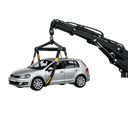
Loading & Unloading
Covers damage during the process of loading and unloading vehicles.
Winching Coverage
Covers damage to vehicles during winching and recovery operations.
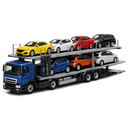
Multiple Vehicle
Covers all vehicles on multi-car carriers and rollback flatbeds.
Industries & Insurance Needs in Portland
Cumberland County's business mix matters because it shapes the kinds of towing accounts you may pursue and the documentation those clients expect. The county's leading sectors by establishment share are professional, scientific, and technical services at 12.5%, health care and social assistance at 12.4%, and retail trade at 11.9%, so your book may lean toward office properties, care facilities, shopping areas, and mixed-use parking arrangements rather than one uniform class of tow. That changes the on-hook conversation. A medical office or care-related account may focus on release handling and incident documentation. A retail property may care more about fast certificate turnaround and clear procedures for lot enforcement. An office landlord may want contract language reviewed alongside limits. If those account types are part of your plan, ask for a quote built around your actual client mix, not a generic towing description, and be ready to show how you document vehicle condition before hookup and after delivery.
What Makes Portland Different
Relationship-driven account access is what changes the calculus here. In a smaller market, a towing operator often wins or loses work based on whether property managers, institutions, and local businesses trust the paperwork as much as the truck. Portland's median household income is $76,174, so vehicle owners and commercial clients may be less tolerant of vague claim handling when a damaged vehicle allegation involves a newer or higher-value car. That does not automatically change every policy term, but it does raise the stakes on how your operation is presented. If your submission is thin, an underwriter may assume broader severity potential than your procedures justify. If your submission is detailed, you have a better chance to show how your drivers inspect, photograph, secure, transport, and release vehicles. The practical takeaway is simple: treat your quote package like part of your sales process. Clear custody procedures, yard controls, and driver protocols can matter as much as the limit you request.
Our Recommendation for Portland
Start by mapping your real service mix, then ask for terms that match it. If you mainly handle parking enforcement for local commercial properties, say so plainly instead of blending that work with roadside recovery or longer-haul transport. If you tow for clinics, retailers, or office properties, keep sample certificates and contract requirements together so your quote request shows what counterparties actually ask for. Review how you document pre-tow condition, where photos are stored, who can authorize a release, and how keys are controlled after hours. Those details help an underwriter judge custody risk instead of guessing from a short application. If a landlord, lender, or municipal counterparty asks for wording you do not recognize, slow down and compare it against your policy terms before agreeing. If a dispute arises, organized records matter. The Maine Bureau of Insurance oversees insurance regulation in the state, but your day-to-day advantage comes from tighter internal procedures and a quote built around the accounts you actually serve.
Get On-Hook Towing Insurance in Portland
Enter your ZIP code to compare on-hook towing insurance rates from carriers in Portland, ME.
Business insurance starting at $25/mo
FAQ
Frequently Asked Questions
Portland-area accounts often want more than a basic certificate because Cumberland County has 12,174 business establishments, and many property owners or managers use formal vendor screening before they hand over lot access or vehicle custody expectations.
Portland operators usually should separate those activities. Here, a clearer breakdown of parking enforcement, roadside recovery, dealer moves, and impound-related work gives underwriters a more accurate picture of custody risk and can lead to a more usable quote.
Cumberland County does affect the approach. With professional services at 12.5%, health care and social assistance at 12.4%, and retail trade at 11.9%, you may need coverage and documentation that fit office, care-facility, and shopping-property accounts.
Portland can change that review. The city's median household income is $76,174, so damage allegations may involve newer or higher-value vehicles, which makes it worth checking whether your requested limits fit the cars you actually tow.
Maine insurance questions are overseen by the Maine Bureau of Insurance. If you are comparing on-hook wording, producer licensing, or complaint options, start there so you can verify the regulatory side of the policy before you bind.
Yes. Property owners often want to confirm your insurance matches the towing and impound work you perform on their premises before granting access. Bring contract requirements to your quote review so certificates and policy terms line up before service begins.
Maine tow companies should organize truck schedules, driver lists, service types, and sample dispatch records before requesting quotes. That helps the underwriter price your actual operation instead of assuming every truck handles the same kind of tow.
Maine coastal operators should ask carriers to review where vehicles are picked up, how tight access points affect loading, and whether seasonal traffic changes your exposure. Those details can matter more than a generic towing classification.
Sources
- 1.U.S. Census Bureau, County Business Patterns, Cumberland County(Cumberland County has 12,174 business establishments, so many potential clients may want proof of coverage before they let you work their lots or move customer vehicles.; The county's leading sectors by establishment share are professional, scientific, and technical services at 12.5%, health care and social assistance at 12.4%, and retail trade at 11.9%, which shapes the kinds of towing accounts you may pursue.)
- 2.U.S. Census Bureau, ACS 5-Year Estimates, table B19013(Portland's median household income is $76,174, so damage allegations may involve newer or higher-value vehicles and deserve a careful limit review.)
- 3.Maine Bureau of Insurance(The Maine Bureau of Insurance oversees insurance regulation in the state.)
Updated July 5, 2026