







































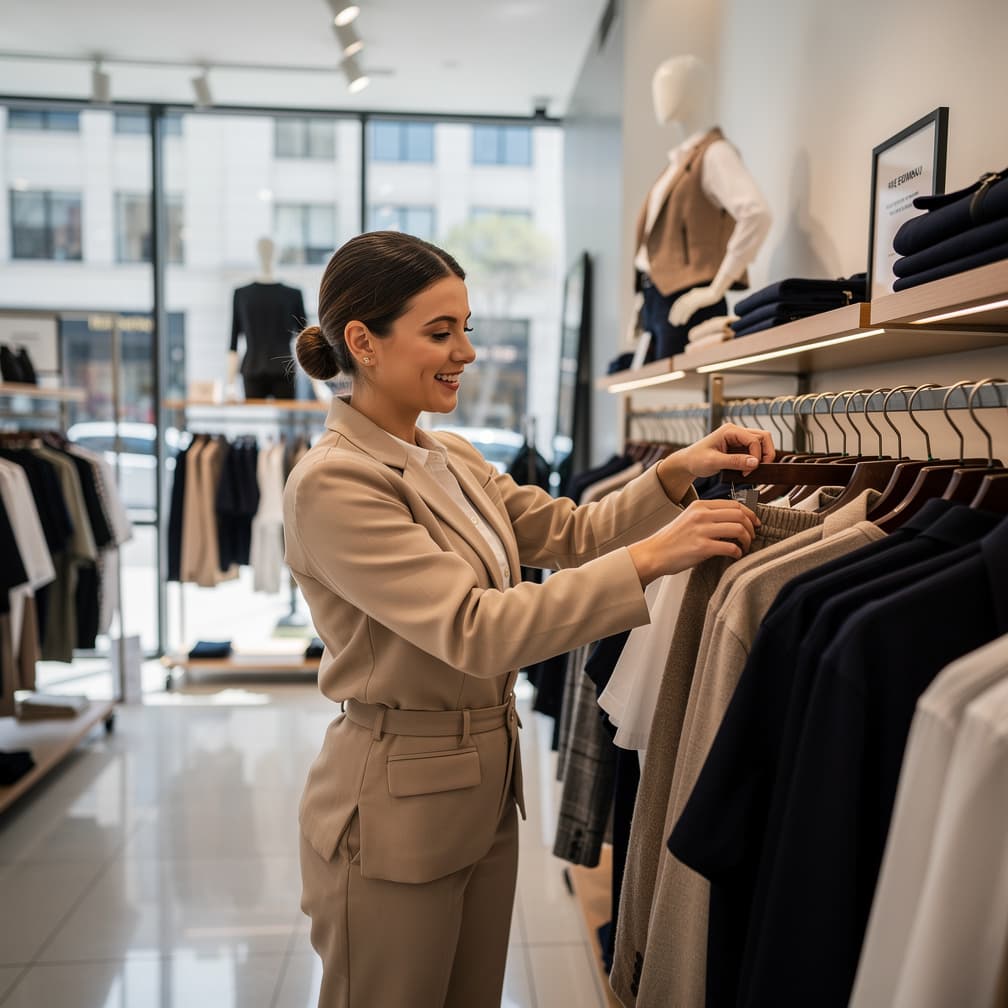

As a clothing store in Baltimore, your first insurance deadline is usually set by somebody else, because a lease rarely gets countersigned until a certificate lands in the property manager's inbox. That timing matters, since the policy you buy in a hurry is the policy you keep for a year. Fixtures, mirrors, and steamers get listed. The fitting room floor and the mat by the door rarely do, and that is where injury claims start. Clothing store insurance in Baltimore should be shopped against your actual floor plan rather than a generic retail description. Walk the space and write down every place a person can trip, every place stock sits unwatched, and every machine that stops sales when it dies. Bring that list to the quote.
What Makes Baltimore Different
Additional insured is the phrase that costs apparel owners the most and gets explained to them the least. It puts another party under your policy for claims arising out of your own operations. Naming your landlord can mean their defense comes out of your limit after a customer falls in your doorway. That is exactly what they want from the clause, and exactly why the limit they demand deserves checking. A limit split between you and two named parties is a smaller limit than it looks on paper. Owners rarely do that arithmetic until an adjuster does it for them during the worst week of the year. So price a higher limit alongside the demanded one whenever a Baltimore lease names somebody besides you. The difference is often smaller than the exposure you just agreed to share with them in Maryland.
Local Risk Factors in Baltimore
Hurricane risk reaches apparel retail as a sequence rather than a single event. The storefront gets boarded and the sidewalk display comes in, then the power goes and the climate control with it, and finally water finds whatever the wind opened. Stock that survives the wind can still be ruined by three humid days without cooling. Commercial Property may respond to wind damage and to the water following a wind-opened roof, though the storm surge portion is typically treated as flood and sits outside the form. That gap catches coastal owners every season. Ask a Maryland carrier how the wind deductible works, because it is often a percentage of building value rather than a flat figure, and for a Baltimore storefront that difference is real money.
What Coverage Does a Clothing Store in Baltimore Need?
General Liability
A shopper goes down on a polished floor, and the claim that follows is somebody else's injury rather than your property. That is what General Liability is aimed at: third-party bodily injury and property damage on your premises, plus the legal defense attached to it. It typically does nothing for your own stock or for an injured employee. Landlords commonly require it by name.
Example: A customer trips over a cable running out to a window display, breaks a wrist, and hires a lawyer. The medical bills and the defense costs might land inside this line, subject to your limit.
Commercial Property
Your lender and often your landlord want this one named on paper. It stands behind everything you own inside the space: racks, mirrors, signage, checkout equipment, and the stock itself. Commercial Property may respond to fire, sudden water, theft after a forced entry, and vandalism, while flood and slow gradual leaks typically sit outside it.
Example: A pried back door, a bare rack where the new denim hung, and the register drawer on the floor at opening time. Stolen inventory and the broken frame may both be picked up here, subject to the alarm conditions.
Workers Compensation
Nothing on the liability side answers when the person hurt is on your payroll, and that is the gap Workers Compensation fills. It is generally meant for medical treatment and lost wages after a work injury, and it is rated per $100 of payroll rather than as a flat monthly charge. Requirements vary by state and by headcount.
Example: An associate hauling a carton of coats down from a stockroom shelf slips off the step stool and tears a shoulder. Treatment and time away from the floor could run through this coverage.
Business Owners Policy
One policy, two halves. A Business Owners Policy packages the property side and the liability side for a single storefront, and it often carries a business income provision as well. Employee injury, flood, and mechanical breakdown stay outside it, so read what is inside before assuming a bundle is broader than its parts.
Example: Fire in the unit next door shuts your Baltimore store for six weeks. Repairs to your fixtures and some of the income lost while the doors stay closed may both be addressed under one policy.
How Much Does Clothing Store Insurance Cost in Baltimore?
Clothing Store Insurance is a bundle of separate policies, priced separately. The ranges below are typical figures for Baltimore for each line, except workers compensation, which is rated per $100 of payroll; a quote prices each one against your own operations.
| Coverage | Typical range | What moves your price |
|---|---|---|
| General Liability Insurance | $50 - $150 per month | Industry and risk classification, annual revenue, number of employees |
| Commercial Property Insurance | $75 - $250 per month | Building value and construction type, roof age and condition, fire protection class |
| Workers Compensation Insurance | $0.75 - $2.74 per $100 of payroll | Employee classification codes, total annual payroll, experience modification rate |
| Business Owners Policy Insurance | $75 - $240 per month | Annual revenue and industry class, building and contents values, square footage and building age |
Prices shown are general estimates, not guaranteed rates or quotes. Your actual premium will depend on the insurer, coverage selected, business details, location, claims history, and other underwriting factors. Learn about our pricing methodology.
What Are the Insurance Requirements for a Clothing Store in Baltimore?
Workers' comp is generally required once you have your first employee. Maryland generally requires employers to carry workers' compensation at that point. Common exemptions include sole proprietors, partners, and corporate officers. Confirm current thresholds with your state's workers' compensation agency before you hire.
Flood damage is typically excluded from standard policies. Standard commercial property and builders-risk-type policies typically exclude flood. Given Baltimore's coastal flood exposure, a separate flood policy is worth pricing; FEMA's National Flood Insurance Program is the usual starting point.
Where to verify licensing and coverage rules. The Maryland Insurance Administration publishes consumer guidance and current insurance requirements for Maryland businesses. When a contract or lease demands specific wording, the Maryland Insurance Administration's guidance is the authoritative place to check.
Get Your Clothing Store Quote in Baltimore
Compare rates from multiple carriers. Free quotes, no obligation.
Operating in Baltimore
- About 12,500 businesses fill Baltimore city, and any of them that supplies you, leases to you, or shares a wall with you can end up on the same claim file.
- Reopening after a fire waits on permits, fixtures, and a shopfitter's calendar, none of which you control, and all of which run longer than the estimate you were handed.
- A property manager can hold your keys, your dock access, or your fit-out approval until a current certificate sits on file, so a lapsed policy in Baltimore becomes a locked door rather than a late notice.
- Shrink gets measured once a year at count, which means the theft you are buying insurance against is usually a number you discover months after it actually happened.
How to Buy: Advice for Baltimore Owners
Two numbers decide most of what you actually feel: the limit at the top and the deductible at the bottom. Quote your General Liability limit at the level your lease demands and one level higher, then look hard at the difference. It is often modest, and one serious fall on a polished floor can exhaust the lower one. Do the reverse exercise on Commercial Property: raise the deductible until the saving stops being interesting, then step back one notch. That point is where you have bought as much premium relief as your cash can honestly support. The Maryland Insurance Administration publishes consumer guidance on how limits and deductibles work together. Bring both versions to the table and compare quotes from participating carriers serving Baltimore on structure, not only on the monthly figure.
FAQ
Clothing Store Insurance in Baltimore: FAQ
It is an endorsement that extends your policy to another party for claims arising out of your operations. Your landlord wants it because a shopper who falls in your doorway may sue the building owner too, and the endorsement can put your limit to work on their defense. That is also the catch: one limit shared between you and them is a smaller limit than it looks on the certificate. Price a higher one before agreeing.
Usually, and it is the lever owners forget they hold. A higher deductible moves small losses onto your side and generally trims the monthly figure. The honest test is whether you could write a check that size during your slowest fortnight without borrowing. If not, take the lower deductible and stop negotiating with yourself. Ask for both versions quoted so the saving becomes a number rather than a feeling.
Per-occurrence is the most that may be paid for one incident. The aggregate caps what the whole policy year can produce across every incident added together. A shop with two slip claims inside one year can find the second landing against whatever is left rather than against a fresh limit. Defense costs may erode that annual ceiling as well, depending on the form. Ask which structure you are buying, since a monthly price rarely reveals it.
Rarely in the way owners hope. Ordinary shrink, meaning stock that quietly walks out during trading hours, is generally treated as a cost of retail rather than an insured event. Burglary, where somebody breaks in outside hours and leaves evidence of forced entry, is a different question, and Commercial Property may respond subject to alarm conditions and any sublimit on cash. Read those conditions well before you need them.
Expect questions about square footage, construction type, sprinklers and alarms, payroll by role, annual revenue, peak inventory value, and your claims from the last five years. Some will ask about the flooring and the cleaning routine, because slips drive the liability side. Send every carrier the same page of figures, since a spread built on different inputs teaches you nothing useful about Baltimore pricing.
Not by default. A standard property form typically leaves out mechanical and electrical breakdown, so a dead card reader on a busy afternoon is your problem unless an equipment breakdown endorsement was added. That endorsement can also reach lighting, climate control, and any refrigeration you run. Ask for the quote both ways, because the price of the endorsement is usually smaller than an afternoon of declined payments.
Sources
- 1.U.S. Census Bureau, County Business Patterns (2022), Baltimore city(Baltimore city has about 12,500 business establishments.)
- 2.Maryland Insurance Administration(Maryland Insurance Administration publishes consumer guidance for insurance buyers.)
- 3.FEMA / FloodSmart(Flood coverage is typically purchased separately; FEMA administers the National Flood Insurance Program.)


