Updated July 5, 2026

Car Insurance in Baltimore
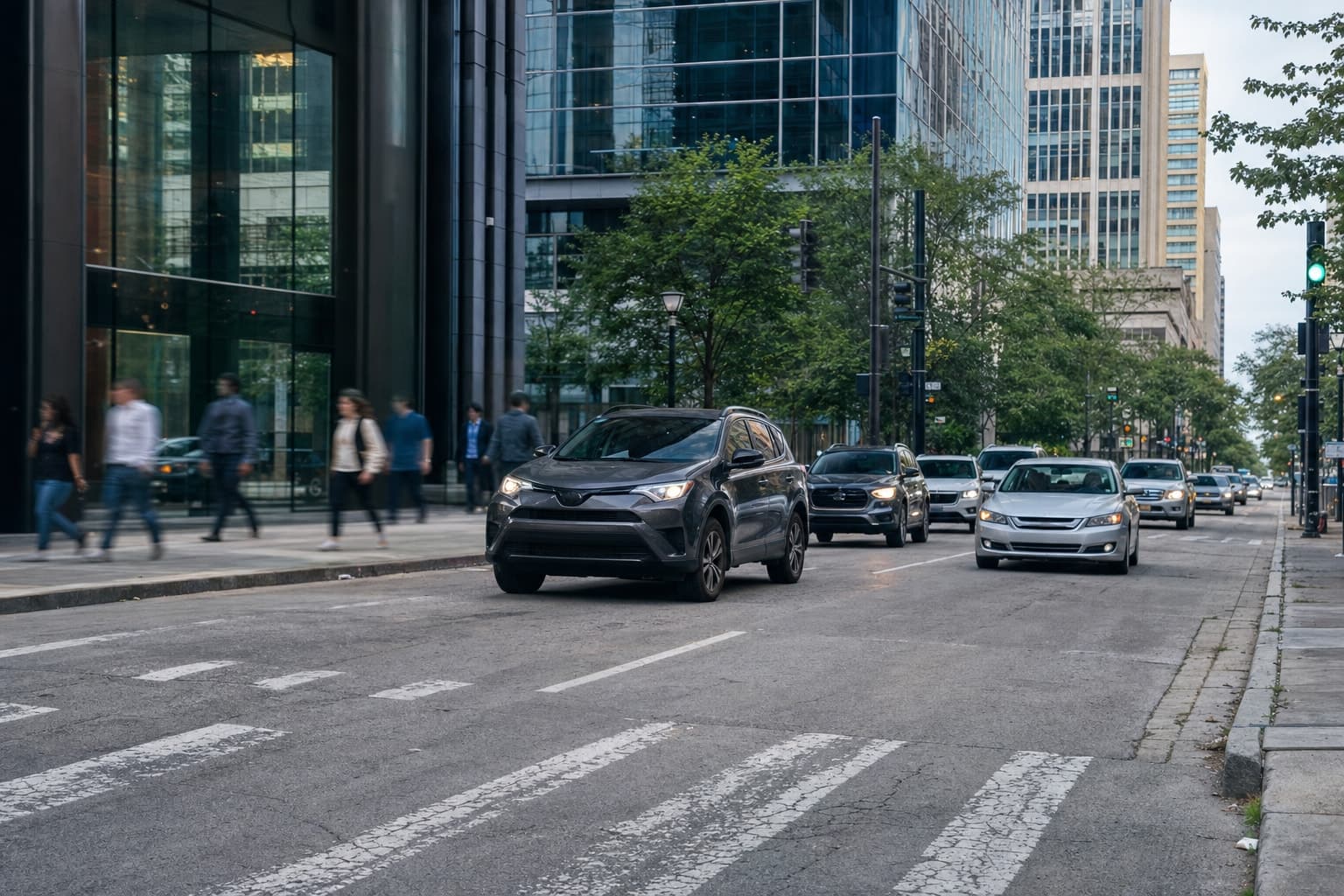
A fender bender on a tight city block, a sideswipe while merging onto an urban arterial, or a parked-car claim after an overnight street-parking incident can turn into a bigger insurance problem if your limits and deductibles do not match how you actually drive here. That is the practical question behind car insurance in Baltimore. You are not just insuring a vehicle. You are insuring how often it sits curbside, how often you navigate dense intersections, and how quickly a small property-damage claim can involve multiple vehicles or pedestrians. Local driving patterns also tie back to household budgets, so many drivers need a quote that balances usable protection against a monthly payment they can carry through the policy term, and deductible choice and optional physical-damage coverage deserve a closer review before you bind. If your car is financed, street parked, or used for daily cross-town trips, ask for side-by-side quotes with different deductibles and liability limits, then compare what changes before you renew.
Maryland has a moderate climate risk rating. Top hazards: Hurricane (High), Flooding (High), Severe Storm (Moderate), Winter Storm (Moderate). The state's expected annual loss from natural hazards is $680M, which influences car insurance premiums and may affect coverage availability in high-risk areas.
What Car Insurance Covers
Car insurance in Maryland usually starts with liability, which can help cover injuries or damage you cause to others in an auto accident. The state's market makes that especially important because drivers here face a higher-than-average premium environment and a significant number of uninsured motorists. Collision coverage can help repair or replace your own vehicle after a crash. Comprehensive coverage is the part that matters when non-collision losses are in play, including storm-related damage that is more relevant here because Maryland has high hurricane and flooding risk and has seen repeated disaster declarations.
Uninsured motorist coverage is particularly useful in a state with so many uninsured drivers. Medical payments coverage can help with covered medical expenses after a crash regardless of fault, depending on your policy. Rental reimbursement can help keep you mobile while your vehicle is being repaired after a covered loss. The Maryland Insurance Administration regulates the market, so policy terms, limits, and endorsements should be reviewed carefully before you bind coverage.
Coverage Included

Liability
Can help pay for injuries and property damage you cause to others in an accident, coverage most states require drivers to carry.
Collision
Can help pay to repair or replace your car after a crash with another vehicle or object, regardless of fault.

Comprehensive
Typically covers damage to your car from events other than collisions, such as theft, hail, fire, flooding, or hitting an animal.

Uninsured Motorist
May pay for your injuries and, in some states, car damage when an at-fault driver has no insurance or too little.

Medical Payments
Can help cover medical bills for you and your passengers after an accident, no matter who was at fault.
Rental Reimbursement
May pay for a rental car while your vehicle is in the shop for repairs after a covered claim.
Car Insurance Cost in Baltimore
Average Cost in Maryland
$110 - $270
per month
In Maryland, car insurance premiums typically run $110 - $270 per month, which tends to run 12% above the national range of $110 - $230 per month.
- Driving record and age
- Vehicle make, model, and year
- Location and commute distance
- Credit-based insurance score
- Coverage limits and deductibles
Contact CPK Insurance for a personalized quote.
Prices shown are general estimates, not guaranteed rates or quotes. Your actual premium will depend on the insurer, coverage selected, personal details, location, claims history, and other underwriting factors. Learn about our pricing methodology.
The average monthly premium range for car insurance in Maryland starts at $110 to $270, which sits above the national average. That pricing reflects a mix of local factors including coverage limits, deductibles, claims history, location, policy endorsements, and the driver profile behind the application. The state's premium index suggests local rates are elevated relative to the national baseline, and that can show up more clearly in dense commuting areas, coastal counties, and places with heavier traffic exposure.
The state's 2023 auto data also points to a meaningful claim environment, with average claim costs already substantial and 108,000 total crashes, which can influence how insurers price liability, collision, and comprehensive coverage. Weather risk is another local pressure point. Hurricanes, flooding, and severe storms all matter here, and those hazards can increase the value of comprehensive coverage for drivers who park outside, live near low-lying areas, or drive during storm seasons. Maryland's competitive market does help shoppers, since hundreds of insurers were active in the state in 2024. That competition can create meaningful quote differences, so comparing offers from multiple carriers rather than taking a single quote is worth your time.
What Affects Car Insurance Rates in Baltimore
With Baltimore median household income at $59,623, the cost conversation is less about chasing the lowest premium and more about choosing a structure you can keep in force. A policy that looks affordable at first can become fragile if the deductible is too high to use after a loss, or if liability limits are so lean that one city crash creates out-of-pocket exposure. That is why local drivers often benefit from quote options built around tradeoffs, not just one number. Ask to compare at least two deductible levels and more than one liability limit, then look at the monthly difference against what you could actually absorb after a claim. If your car is older, also ask where physical-damage coverage stops making financial sense. The goal is a policy you can maintain without stripping out protection you may need the first time a parked-car or intersection claim lands on your record.
What Makes Baltimore Different
Street parking changes the calculus here. On the Maryland state page, the broad issues are already covered. The city-level difference is how often your vehicle may be unattended in shared public space, surrounded by delivery traffic, buses, tight turns, and drivers cycling through dense commercial blocks. That raises the importance of reviewing physical-damage choices in a more practical way than a suburban garage-kept vehicle might require. The county containing Baltimore also has 12,365 business establishments, with retail trade, health care and social assistance, and professional, scientific, and technical services leading by establishment share, so many local trips happen around active storefronts, medical campuses, offices, and service stops rather than long uninterrupted highway miles. For you, that means the exposure is often frequent short trips, curbside parking, and crowded property-damage settings. A useful quote here should test liability limits, uninsured motorist protection, and deductibles against those day-to-day conditions, not just against a state minimum mindset.
Our Recommendation for Baltimore
Start with how your car is stored, then build outward. If you park on the street most nights, ask for quotes that show comprehensive and collision with more than one deductible, because the right answer depends on your vehicle value and what you could comfortably pay after a claim. Next, review liability limits with city driving in mind. A low-speed crash can still involve several damaged vehicles, a fence, or an injury allegation, so it is worth seeing the price difference for higher limits before deciding. If your household shares one car, make sure every regular driver is disclosed and the garaging address is accurate. If you commute only occasionally, say so, but do not understate use. If you are comparing policies, line up the same deductibles, same liability limits, and the same optional coverages on each quote. That is the fastest way to see whether you are buying real value or just a thinner policy.
Get Car Insurance in Baltimore
Enter your ZIP code to compare car insurance rates from carriers in Baltimore, MD.
Car insurance starting at $59/mo
FAQ
Frequently Asked Questions
Baltimore drivers often review both when a car spends nights on the street, because parked-vehicle claims can involve hit-and-run damage, vandalism, or other physical loss where liability coverage alone does not help. Compare deductibles against your vehicle value before deciding.
Baltimore drivers should start with what they could actually pay after a claim. Local household budgets can make a lower premium less useful if the deductible would be hard to fund when the car needs repairs.
Baltimore city county has 12,365 business establishments, so many local trips happen around active commercial blocks, offices, and service stops. That makes it smart to review liability limits and parked-car exposure, especially if you drive short urban routes most days.
Baltimore city county is led by retail trade at 13.3%, health care and social assistance at 13.3%, and professional, scientific, and technical services at 13.1%. That mix points to frequent stop-and-go driving and curbside activity, so deductible and liability choices deserve closer review.
In Maryland, liability coverage can help cover injuries or damage you cause to others, collision coverage can help repair your vehicle after a crash, and comprehensive coverage can help with non-collision losses such as storm-related damage. Medical payments coverage can help with covered medical expenses after an auto accident, and rental reimbursement can help keep you moving while repairs are in progress.
Maryland requires minimum liability coverage of $30,000 per person and $60,000 per accident for bodily injury, plus $15,000 for property damage. The state also requires uninsured motorist coverage and personal injury protection. Your needs can vary based on how you use your vehicle and your household situation, so the right policy should be reviewed carefully before you buy.
Average monthly pricing typically starts at $110 to $270, and the final price depends on coverage limits, deductibles, claims history, location, and policy endorsements. Maryland's premium index is 116, which means local pricing is above the national average.
Many Maryland drivers start with liability coverage, then add collision coverage if they want help with crash repairs and comprehensive coverage if they park in storm-exposed or higher-risk areas. Whether you need all three depends on vehicle value, commute patterns, and how much out-of-pocket risk you want to carry.
Sources
- 1.U.S. Census Bureau, ACS 5-Year Estimates, table B19013(With Baltimore median household income at $59,623, the cost conversation is less about chasing the lowest premium and more about choosing a structure you can keep in force.)
- 2.U.S. Census Bureau, County Business Patterns, Baltimore city(The county containing Baltimore also has 12,365 business establishments, with retail trade, health care and social assistance, and professional, scientific, and technical services leading by establishment share.)
Updated July 5, 2026