







































Updated July 16, 2026

Inland Marine Insurance in Baltimore
Property managers, lenders, venue operators, and general contractors in Baltimore often ask for proof that your cameras, tools, leased equipment, or client property stay insured once they leave your shop or warehouse. The certificate they want has to match the job, the address, and the kind of property you move. That might be staging gear headed into an event space, diagnostic equipment traveling to a care site, or contractor tools riding between rowhouse rehabs and commercial interiors. The county containing Baltimore has 12,365 business establishments, so you are likely to meet counterparties with formal insurance requirements before they grant access, sign a contract, or release financed equipment. If your operation depends on mobile property, ask for a quote that schedules the items that matter most, clarifies any transit and temporary storage terms, and lines up with the certificates your customers expect to see.
Inland Marine Insurance Risk Factors in Baltimore
Baltimore's top risk factors include Flooding, Hurricane damage, Coastal storm surge, and Wind damage.
Maryland has a moderate climate risk rating. Top hazards: Hurricane (High), Flooding (High), Severe Storm (Moderate), Winter Storm (Moderate). The state's expected annual loss from natural hazards is $680M, which influences inland marine insurance premiums and may affect coverage availability in high-risk areas.
What Inland Marine Insurance Covers
In Maryland, inland marine insurance is built for business property that does not stay in one fixed place, so it is a practical fit for tools, equipment, building materials, and other mobile property used on job sites, in transit, or in temporary storage. The policy concept is especially useful for contractors working across counties, installers carrying materials to customer locations, and businesses that need coverage for goods moving between warehouses, trucks, and project sites. Maryland does not create a special state-mandated inland marine form, so coverage terms depend on the carrier, the schedule of property, and the endorsements you choose.
A Maryland policy may be written around tools and equipment, goods in transit, contractors equipment, installation floater, or builders risk, depending on what your operation actually moves. That distinction matters because a policy for tools stored in a truck overnight near a job site is not the same as a policy for materials waiting to be installed at a customer location in Baltimore, Annapolis, or another Maryland city. Coverage typically follows the property away from your primary business location, but the exact triggers, exclusions, and limits vary by carrier and policy language.
Maryland's insurance market is competitive, yet the state is also exposed to hurricanes, flooding, severe storms, and winter storms, so carriers may look closely at where the property is used and stored. If your work crosses coastal areas or flood-prone locations, ask specifically how the policy treats temporary storage, transit between job sites, and installation materials before binding. Those details determine whether your coverage actually responds when property is in the vulnerable in-between moments.
Coverage Included
Tools & Equipment
Can help repair or replace hand tools, power tools, and gear that are stolen or damaged on the job or in transit.

Goods in Transit
May cover products, materials, and merchandise while they are being shipped or hauled between locations in your care.
Contractors Equipment
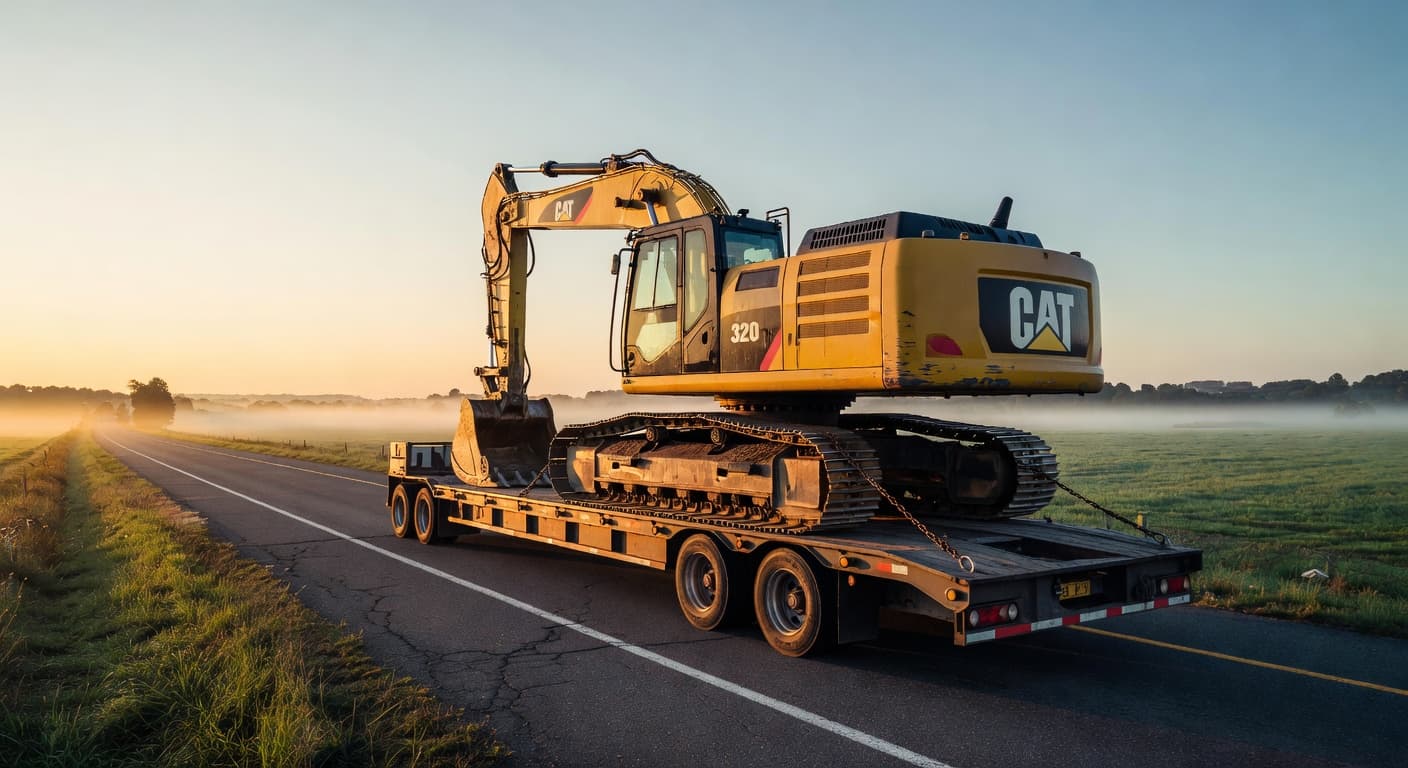
Typically covers heavy machinery like excavators, loaders, and generators against theft or damage at job sites and between them.
Installation Floater
Can help cover materials and fixtures from the moment you buy them until they are installed and accepted at a project.
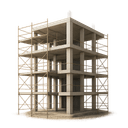
Builders Risk
May cover a structure under construction, along with materials on site, against damage from fire, wind, theft, and vandalism.
Inland Marine Insurance Cost in Baltimore
Average Cost in Maryland
$25 - $100
per month
Businesses in Maryland typically see inland marine insurance premiums of $25 - $100 per month, which tends to run 4% above the national range of $20 - $100 per month.
- Total insured value of the scheduled property
- Type and age of the equipment
- Where it is stored and how far it travels
- Jobsite security and theft prevention
- Per-item limits and deductibles
- Prior theft and in-transit losses
Contact CPK Insurance for a personalized quote.
Prices shown are general estimates, not guaranteed rates or quotes. Your actual premium will depend on the insurer, coverage selected, business details, location, claims history, and other underwriting factors. Learn about our pricing methodology.
Maryland's premium index is 116, which means you can expect to pay roughly 16% more for coverage than the national average, so budgeting an extra cushion for your mobile property protection is practical. If you need inland marine insurance for tools, contractors equipment, or goods in transit, the biggest pricing drivers are your coverage limits and deductibles, followed by claims history, location, industry risk, and any policy endorsements.
Because Maryland has high hurricane and flooding risk plus a history of major disaster declarations, carriers pay close attention to where your property travels and sits overnight. A business with property moving through Baltimore, Annapolis, or other Maryland cities may face a different quote than a business with the same equipment kept mostly in one inland area, because the policy has to match the actual travel pattern and storage exposure.
Maryland also has a large small-business base, with 99.5% of the state's 153,800 businesses classified as small businesses, which means carriers are accustomed to quoting for operations like yours, so you are not forced into a policy built for a large corporation. To get a useful inland marine insurance quote in Maryland, expect the carrier to ask what you move, how often it moves, where it is stored, and whether you need installation floater or builders risk style protection for specific projects. Having those answers ready makes the quote more accurate and often faster.
Industries & Insurance Needs in Baltimore
The county business mix changes who tends to need this coverage and how the property is used day to day. In the county containing Baltimore, retail trade accounts for 13.3% of establishments, health care and social assistance 13.3%, and professional, scientific, and technical services 13.1%, so mobile inventory, diagnostic devices, laptops, testing gear, and specialized field equipment are common exposures across very different operations. That matters because a blanket limit that works for one class of property may be thin for another, especially if you carry higher-value items off premises or leave them at temporary locations between appointments. If your business fits one of these sectors, review whether you need itemized scheduling for key equipment, broader protection for property in transit, or tighter valuation language for tools and electronics that are hard to replace quickly.
What Makes Baltimore Different
In many places, this coverage is purchased after a loss scare or because an agent recommends it. Around Baltimore, it is often pushed by the people controlling access to work, space, financing, or events. You may need to show that protection follows property away from your main address before a landlord approves move-in logistics, a venue accepts outside vendors, or a contractor lets a subcontractor bring equipment onto a site. That means more counterparties, more contract handoffs, and more chances for insurance requirements to become operational bottlenecks. Buy with certificates in mind. Make sure the named insured is correct, the covered property description is specific enough to satisfy review, and any high-value mobile items are identified before someone asks for proof on short notice.
Our Recommendation for Baltimore
Start with the property that would interrupt revenue if it were stolen, damaged, or delayed for even a few days. For some local businesses that means a trailer full of tools, while for others it is rented event equipment, medical devices, or laptops and testing gear moving between client locations. When you build your quote request, include where the property travels, whether it is owned, leased, or customer-owned, and how often it sits overnight at temporary sites. If you work with sophisticated counterparties, ask to review sample certificate requirements before binding so the policy language and limits are less likely to create friction later. If a lender or contract requires proof, confirm whether they expect scheduled equipment, installation coverage, or protection for property in transit. A generic policy form can look acceptable until a claim or certificate request exposes a gap.
Get Inland Marine Insurance in Baltimore
Enter your ZIP code to compare inland marine insurance rates from carriers in Baltimore, MD.
Business insurance starting at $25/mo
FAQ
Frequently Asked Questions
Property managers, lenders, venues, and contractors that control access to a job, building, or event are the ones who typically ask. Expect a formal certificate request before work starts, especially when another party controls the site or financing.
Scheduling higher-value items individually can make sense when a lost tool, camera kit, or device would delay work. That approach can make certificates clearer and reduce disputes about what property was meant to be covered.
The county containing Baltimore is not just a contractor market for this protection. Health care and social assistance make up 13.3% of establishments, and professional, scientific, and technical services 13.1%. In practical terms, a laptop or diagnostic unit lost in transit can sideline a service appointment just as fast as a missing tool.
Retail operations may need this review when inventory, displays, or equipment travel to pop-ups, events, or temporary sites. Retail trade represents 13.3% of establishments in the county containing Baltimore, and that share translates into off-premises property being a routine exposure rather than an occasional one.
An equipment list, approximate values, where the property travels, who owns it, and any contract insurance requirements will speed up your quote request. That gives you a better chance of matching the policy to real certificate and claim scenarios.
It may help protect business property that moves between locations, including tools, equipment, materials, and goods being transported over land. The exact list depends on the carrier and the schedule, so you should confirm whether your policy includes your gear, goods in transit, or both.
The policy is designed to follow covered property away from your fixed location, which is useful when items are staged at a Maryland job site or kept in temporary storage. Because storm, flooding, and theft exposures vary by location, ask how the policy treats overnight storage and temporary locations before you bind coverage.
Contractors, installers, builders, and any business that regularly moves property across Maryland job sites usually need to look at this coverage. It is also relevant for businesses in the state's large small-business economy that use portable equipment or ship items between locations.
Sources
- 1.U.S. Census Bureau, County Business Patterns, Baltimore city(The county containing Baltimore has 12,365 business establishments, so you are more likely to run into counterparties with formal insurance requirements before access is granted, a contract is signed, or financed equipment is released.; In the county containing Baltimore, retail trade accounts for 13.3% of establishments, health care and social assistance 13.3%, and professional, scientific, and technical services 13.1%, so mobile inventory, diagnostic devices, laptops, testing gear, and specialized field equipment are common exposures across very different operations.)
Updated July 16, 2026





