








































Updated July 5, 2026

Commercial Truck Insurance in Frederick
A service body truck slides wide on a wet downhill approach, clips a curb, and puts the unit out of service before the first stop is finished. That is the kind of local loss scenario commercial truck insurance in Frederick needs to anticipate, because many routes here mix older city streets, neighborhood deliveries, and quick transitions onto faster regional roads in the same day. If your drivers move tools, materials, medical supplies, or service equipment, the exposure is not just highway mileage. It is backing into tight alleys, turning around near job sites, and parking where theft or incidental damage can happen between calls. Frederick also sits inside a county with 6,468 business establishments, so trucks often operate in dense vendor, contractor, and service networks where certificates, contract requirements, and missed appointments can affect revenue as much as the repair bill. A useful quote should match how your units are garaged, what they carry, who drives them, and whether they stay local or cross county lines. Before you renew, line up your vehicle schedule, driver list, radius, and any leased or hired units so the quote reflects the way your operation actually runs.
Commercial Truck Insurance Risk Factors in Frederick
Local street exposure is the main difference here. A truck that spends the morning on neighborhood service calls and the afternoon running materials to an active project takes more **low-speed collision and backing risk** than a unit that simply stays on a long highway lane. That matters for body style, stated radius, physical damage deductibles, and whether you add towing, rental reimbursement, or downtime-sensitive options where available. The county business mix also points to the kinds of fleets that are common around Frederick: professional, scientific, and technical services account for 14.7% of establishments, construction 14%, and health care and social assistance 11.7%. So if your truck supports contractors, mobile technicians, or health-related delivery work, ask your agent to review equipment permanently attached to the vehicle, tools and materials carried between stops, and any [hired or non-owned auto exposure](/insurance/commercial-auto-insurance) from employees using personal vehicles for errands.
Maryland has a moderate climate risk rating. Top hazards: Hurricane (High), Flooding (High), Severe Storm (Moderate), Winter Storm (Moderate). The state's expected annual loss from natural hazards is $680M, which influences commercial truck insurance premiums and may affect coverage availability in high-risk areas.
What Commercial Truck Insurance Covers
Commercial truck insurance in Maryland is built to match the way your trucks actually operate on state roads, at loading docks, and across interstate lanes. A policy can include motor carrier liability for bodily injury and property damage arising from trucking operations, plus physical damage coverage to help protect the tractor or straight truck itself. Cargo insurance is commonly added when you haul goods that could be stolen, damaged, or lost in transit. Trailer interchange applies if you use trailers you do not own under an interchange agreement.
Maryland's commercial auto minimums sit at $30,000 per person and $60,000 per accident for bodily injury, with $15,000 for property damage, but trucking businesses often need to review higher limits because freight contracts, brokers, and route exposure can demand more than the minimums. The Maryland Insurance Administration regulates the market, so policy wording and endorsements should be checked carefully before binding. That is especially important if your operation crosses from local delivery into long haul or regional freight, because bobtail coverage and non-trucking liability only apply in specific off-dispatch situations. These coverages are not interchangeable, and they do not respond the same way as truck liability insurance tied to active hauling.
The product may be written for semi-trucks, tractor-trailers, flatbeds, dump trucks, tankers, refrigerated trucks, box trucks, and delivery vans. The applicable endorsements and limits vary by operation, freight type, and carrier underwriting.
Coverage Included

Motor Carrier Liability
Can help cover injuries and property damage your truck causes to others, a coverage federal regulators require most for-hire carriers to maintain.

Physical Damage
Can help pay to repair or replace your own truck after an accident, fire, theft, or vandalism.
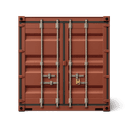
Cargo Coverage
May pay for damage to or theft of the freight you are hauling while it is in your care.
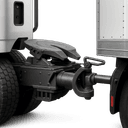
Trailer Interchange
Can help cover damage to trailers you haul under an interchange agreement but do not own.

Bobtail Coverage
May provide liability protection when you drive your tractor without a trailer attached, such as after dropping off a load.

Non-Trucking Liability
Can help cover accidents that happen when you use your truck for personal errands rather than dispatched work.
Commercial Truck Insurance Cost in Frederick
Average Cost in Maryland
$500 - $1,425
per month
Businesses in Maryland typically see commercial truck insurance premiums of $500 - $1,425 per month, which tends to run 26% above the national range of $400 - $1,125 per month.
- Radius of operation
- Commodities hauled and cargo value
- Number and value of power units
- Driver motor vehicle records and CDL experience
- DOT safety record, inspections, and FMCSA scores
- Liability limits and physical damage deductibles
Contact CPK Insurance for a personalized quote.
Prices shown are general estimates, not guaranteed rates or quotes. Your actual premium will depend on the insurer, coverage selected, business details, location, claims history, and other underwriting factors. Learn about our pricing methodology.
Commercial truck insurance cost in Maryland is influenced by the state's above-average premium environment, traffic exposure, and weather risk. Cost can vary widely per truck depending on the operation. Maryland's premium index of 116 means pricing runs about 16 percent above the national average, so a policy that might cost $8,000 elsewhere could run closer to $9,280 before Maryland-specific surcharges. That aligns with a market where insurers are balancing dense traffic, coastal weather, and frequent claim pressure.
Several Maryland-specific factors can move your quote up or down. Location matters because operating near Baltimore, coastal counties, or flood-prone routes can raise risk compared with quieter inland areas. Claims history is another major factor, and Maryland's auto claim environment shows an average claim cost of $19,836, which means a single at-fault accident can add thousands to your renewal premium. Coverage limits and deductibles also matter, especially if you select higher motor carrier liability or physical damage deductibles. Policy endorsements can add cost, but they also tailor the form to trailer interchange, cargo, or bobtail exposure.
Maryland's market is competitive, with a broad field of active insurance companies. That competition can help you compare terms, but it does not remove the impact of your route profile, freight type, and loss history. If your operation is affected by hurricane, flooding, or severe storm exposure, underwriters may view the risk differently than a truck that stays on lower-exposure local routes. A personalized quote is the best way to see how those factors combine for your operation.
What Makes Frederick Different
Local service-route density is what changes the buying calculus here. In a market built around repeat stops, short dispatches, and customer-facing work, one preventable fender-bender can cost more than sheet metal. It can delay a crew, miss a delivery window, or put a contract relationship under strain. Frederick County has 6,468 business establishments, so many truck operators here work inside a broad network of builders, offices, care providers, and vendors that expect reliable arrival times and current proof of coverage before work starts. That makes policy structure as important as the liability limit itself. You may need to think through substitute vehicles, hired autos, and how quickly a claim can be documented so a unit gets back into service. If your truck is part of a service business rather than a pure long-haul operation, review the policy around daily operating reality: multiple stops, employee drivers, attached equipment, and cargo or materials that change from one job to the next.
Our Recommendation for Frederick
Start with the vehicle schedule and be exact. List body type, use, garaging, typical radius, and any permanently mounted equipment, because those details often matter more here than a generic class code. Next, separate true cargo from tools, parts, and contractor materials so you can ask which property exposures belong on the auto policy and which may need another form. If employees ever use personal vehicles for bank runs, pickups, or site visits, ask for a review of hired and non-owned auto exposure instead of assuming the business auto policy handles it automatically. Frederick’s median household income is $95,150, so many local customers and commercial clients have little patience for missed appointments, visible damage, or weak claim follow-through. That is a practical reason to review deductibles, rental or temporary replacement options where offered, and certificate turnaround before binding. Bring loss runs, MVR details, and your current declarations page to the quote request so coverage gaps show up before renewal, not after a crash.
Get Commercial Truck Insurance in Frederick
Enter your ZIP code to compare commercial truck insurance rates from carriers in Frederick, MD.
Business insurance starting at $25/mo
FAQ
Frequently Asked Questions
Frederick fleets should review route radius, backing exposure, garaging location, driver assignments, and any attached equipment. If your trucks handle short service calls instead of long highway runs, ask for the quote to reflect stop frequency and customer-site parking, not just annual mileage.
Frederick County has 6,468 business establishments, so many truck operators work in dense contractor and vendor networks where certificates and on-time arrival matter. That makes downtime planning, substitute vehicle options, and clear liability limits worth reviewing before you bind coverage.
Frederick contractor and service trucks often carry more than standard vehicle equipment. Mounted units may need to be scheduled accurately, while tools, parts, and materials can require separate review so you do not assume the auto policy responds to every property loss.
Frederick County’s establishment mix includes professional services at 14.7%, construction at 14%, and health care and social assistance at 11.7%. That points to frequent local service and delivery work, so policy reviews should focus on multiple stops, employee drivers, and time-sensitive operations.
Frederick policies are regulated at the state level by the Maryland Insurance Administration. If you are comparing quotes, keep copies of applications, endorsements, and certificates so any billing, claim, or coverage question can be documented clearly from the start.
In Maryland, the policy can be built around motor carrier liability, physical damage, cargo coverage, trailer interchange, bobtail coverage, and non-trucking liability, depending on whether you run long haul, regional, or local routes.
Maryland's commercial auto minimums are $30,000 per person and $60,000 per accident for bodily injury, with $15,000 for property damage, but trucking businesses often need higher limits because freight contracts and route exposure can exceed the state minimums.
Cost per truck in Maryland depends on limits, deductibles, claims history, location, industry risk, and endorsements. A clean loss record and lower-exposure routes tend to keep your premium down, while higher limits and coastal operations tend to raise it.
Sources
- 1.U.S. Census Bureau, County Business Patterns, Frederick County(Frederick County has 6,468 business establishments, so trucks often operate in dense vendor, contractor, and service networks where certificates, contract requirements, and missed appointments can affect revenue as much as the repair bill.; The county business mix also points to the kinds of fleets that are common around Frederick: professional, scientific, and technical services account for 14.7% of establishments, construction 14%, and health care and social assistance 11.7%.)
- 2.U.S. Census Bureau, ACS 5-Year Estimates, table B19013(Frederick’s median household income is $95,150, so many local customers and commercial clients have little patience for missed appointments, visible damage, or weak claim follow-through.)
- 3.Maryland Insurance Administration(Frederick policies are regulated at the state level by the Maryland Insurance Administration.)
Updated July 5, 2026





