








































Updated July 5, 2026

Inland Marine Insurance in Frederick
A smaller market changes how you shop for this coverage. You may see fewer local underwriting appetites for unusual equipment schedules, higher-value mobile property, or customer property that moves between shops, vans, and temporary sites, so your submission has to be clean the first time. For inland marine insurance in Frederick, that usually means listing exactly what travels, where it is left during the workday, who has custody, and whether you need blanket protection or itemized limits. That matters here because buyers, landlords, and project partners often expect prompt proof of coverage before property leaves your premises or arrives at a site. In Frederick County, there are 6,468 business establishments, so certificate requests and contract insurance language are a routine part of doing business, not an exception. If your operation handles tools, diagnostic equipment, installation materials, or client property off premises, ask for a quote built around your actual movement pattern, your temporary storage habits, and the values you need scheduled.
Inland Marine Insurance Risk Factors in Frederick
Frederick's top risk factors include Flooding, Hurricane damage, Coastal storm surge, and Wind damage.
Maryland has a moderate climate risk rating. Top hazards: Hurricane (High), Flooding (High), Severe Storm (Moderate), Winter Storm (Moderate). The state's expected annual loss from natural hazards is $680M, which influences inland marine insurance premiums and may affect coverage availability in high-risk areas.
What Inland Marine Insurance Covers
In Maryland, inland marine insurance is built for business property that does not stay in one fixed place, so it is a practical fit for tools, equipment, building materials, and other mobile property used on job sites, in transit, or in temporary storage. The policy concept is especially useful for contractors working across counties, installers carrying materials to customer locations, and businesses that need coverage for goods moving between warehouses, trucks, and project sites. Maryland does not create a special state-mandated inland marine form, so coverage terms depend on the carrier, the schedule of property, and the endorsements you choose.
A Maryland policy may be written around tools and equipment, goods in transit, contractors equipment, installation floater, or builders risk, depending on what your operation actually moves. That distinction matters because a policy for tools stored in a truck overnight near a job site is not the same as a policy for materials waiting to be installed at a customer location in Baltimore, Annapolis, or another Maryland city. Coverage typically follows the property away from your primary business location, but the exact triggers, exclusions, and limits vary by carrier and policy language.
Maryland's insurance market is competitive, yet the state is also exposed to hurricanes, flooding, severe storms, and winter storms, so carriers may look closely at where the property is used and stored. If your work crosses coastal areas or flood-prone locations, ask specifically how the policy treats temporary storage, transit between job sites, and installation materials before binding. Those details determine whether your coverage actually responds when property is in the vulnerable in-between moments.
Coverage Included
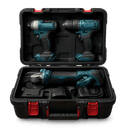
Tools & Equipment
Can help repair or replace hand tools, power tools, and gear that are stolen or damaged on the job or in transit.

Goods in Transit
May cover products, materials, and merchandise while they are being shipped or hauled between locations in your care.
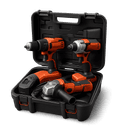
Contractors Equipment
Typically covers heavy machinery like excavators, loaders, and generators against theft or damage at job sites and between them.

Installation Floater
Can help cover materials and fixtures from the moment you buy them until they are installed and accepted at a project.

Builders Risk
May cover a structure under construction, along with materials on site, against damage from fire, wind, theft, and vandalism.
Inland Marine Insurance Cost in Frederick
Average Cost in Maryland
$25 - $100
per month
Businesses in Maryland typically see inland marine insurance premiums of $25 - $100 per month, which tends to run 4% above the national range of $20 - $100 per month.
- Total insured value of the scheduled property
- Type and age of the equipment
- Where it is stored and how far it travels
- Jobsite security and theft prevention
- Per-item limits and deductibles
- Prior theft and in-transit losses
Contact CPK Insurance for a personalized quote.
Prices shown are general estimates, not guaranteed rates or quotes. Your actual premium will depend on the insurer, coverage selected, business details, location, claims history, and other underwriting factors. Learn about our pricing methodology.
Maryland's premium index is 116, which means you can expect to pay roughly 16% more for coverage than the national average, so budgeting an extra cushion for your mobile property protection is practical. If you need inland marine insurance for tools, contractors equipment, or goods in transit, the biggest pricing drivers are your coverage limits and deductibles, followed by claims history, location, industry risk, and any policy endorsements.
Because Maryland has high hurricane and flooding risk plus a history of major disaster declarations, carriers pay close attention to where your property travels and sits overnight. A business with property moving through Baltimore, Annapolis, or other Maryland cities may face a different quote than a business with the same equipment kept mostly in one inland area, because the policy has to match the actual travel pattern and storage exposure.
Maryland also has a large small-business base, with 99.5% of the state's 153,800 businesses classified as small businesses, which means carriers are accustomed to quoting for operations like yours, so you are not forced into a policy built for a large corporation. To get a useful inland marine insurance quote in Maryland, expect the carrier to ask what you move, how often it moves, where it is stored, and whether you need installation floater or builders risk style protection for specific projects. Having those answers ready makes the quote more accurate and often faster.
Industries & Insurance Needs in Frederick
Frederick County's business mix changes which inland marine forms tend to matter most. Professional, scientific, and technical services account for 14.7% of county establishments, construction 14%, and health care and social assistance 11.7%, so local demand is not just about contractors hauling tools. It can also involve survey gear, testing equipment, specialized electronics, medical devices, and client property that leaves a fixed office or clinic. That mix matters when you request terms, because a policy built for basic contractor equipment may not fit a firm that transports precision instruments or a provider moving portable equipment between locations. If your business falls into one of those county-heavy sectors, ask the quote to match the property class, transit pattern, and custody exposure you actually have, instead of assuming one inland marine setup works for every mobile operation.
What Makes Frederick Different
The tighter carrier appetite is what changes the calculus here. In a market this size, you are less likely to win favorable terms with a vague application that simply says tools or equipment in transit. Underwriters usually want a sharper picture of what the property is, how often it moves, whether it stays overnight in vehicles, and whether any customer property is in your care. That is especially important locally because Frederick's median household income is $95,150, which can translate into higher-value personal and business property moving through homes, offices, and service calls. If you install, repair, inspect, or transport property for clients, review whether your limit is high enough for a single loss involving more expensive equipment or customer items than you handled a few years ago. A detailed schedule, clear valuation method, and accurate transit description can make the quote more usable.
Our Recommendation for Frederick
Start with a property map, not a generic application. List what leaves your main location, what stays in vehicles, what sits at temporary sites, and what belongs to customers. Then separate owned equipment from borrowed, rented, or customer property so you can ask whether each category should be scheduled or covered under a broader form. If your work is concentrated around downtown jobs, medical offices, or residential service calls, be specific about where property is unloaded and how long it remains unattended. If a contract requires evidence of insurance, request sample certificate wording before binding so you can catch any mismatch early. If a coverage or claims-handling question turns on Maryland rules, the Maryland Insurance Administration is the regulator to review, but most buying mistakes here happen earlier, at the application stage. Bring an equipment list, recent invoices, and your largest single-job property values when you request a free quote.
Get Inland Marine Insurance in Frederick
Enter your ZIP code to compare inland marine insurance rates from carriers in Frederick, MD.
Business insurance starting at $25/mo
FAQ
Frequently Asked Questions
Frederick businesses should review it if property regularly leaves a fixed location for service calls, installs, job sites, or temporary storage. In Frederick County, 6,468 business establishments operate across many contract-driven sectors, so proof of coverage and mobile property schedules come up often.
Frederick County contractors and service firms should usually schedule higher-value items individually when one loss could be meaningful, especially specialized tools, diagnostic gear, or client property. A cleaner schedule helps underwriters understand values, transit habits, and temporary storage exposure.
Frederick area professional firms often need a closer review if staff move survey gear, testing devices, or other precision equipment off premises. Countywide, professional, scientific, and technical services make up 14.7% of establishments, so this is a common local use case.
Frederick health care and service providers can see the quote change when portable equipment travels between locations or stays temporarily off site. In Frederick County, health care and social assistance represent 11.7% of establishments, so equipment movement should be described clearly.
Frederick households have a median income of $95,150, so some local service businesses may handle more expensive client property during repairs, installs, or transport. If that describes your work, ask whether customer property in your care should be reviewed alongside your own equipment.
It may help protect business property that moves between locations, including tools, equipment, materials, and goods being transported over land. The exact list depends on the carrier and the schedule, so you should confirm whether your policy includes your gear, goods in transit, or both.
The policy is designed to follow covered property away from your fixed location, which is useful when items are staged at a Maryland job site or kept in temporary storage. Because storm, flooding, and theft exposures vary by location, ask how the policy treats overnight storage and temporary locations before you bind coverage.
Contractors, installers, builders, and any business that regularly moves property across Maryland job sites usually need to look at this coverage. It is also relevant for businesses in the state's large small-business economy that use portable equipment or ship items between locations.
Sources
- 1.U.S. Census Bureau, County Business Patterns, Frederick County(In Frederick County, there are 6,468 business establishments, so certificate requests and contract insurance language are a routine part of doing business, not an exception.; Professional, scientific, and technical services account for 14.7% of county establishments, construction 14%, and health care and social assistance 11.7%, so local demand is not just about contractors hauling tools.)
- 2.U.S. Census Bureau, ACS 5-Year Estimates, table B19013(Frederick's median household income is $95,150, which can translate into higher-value personal and business property moving through homes, offices, and service calls.)
- 3.Maryland Insurance Administration(If a coverage or claims-handling question turns on Maryland rules, the Maryland Insurance Administration is the regulator to review.)
Updated July 5, 2026





