Updated July 16, 2026

Key Takeaways
- Compare quotes using the same peak inventory value, deductible, and valuation assumptions so you can see real coverage differences.
- Ask in writing how the policy handles hail, flood, theft, vandalism, and test drives before you bind coverage.
- Prepare a current inventory schedule, offsite storage list, and security summary before requesting dealer open lot insurance quotes.
- Review whether flood needs separate placement instead of assuming another policy form includes it automatically.
- Requote after security upgrades, lot layout changes, or improved claims history so pricing reflects your current risk.
Dealer Open Lot Insurance in Maryland
Maybe your floorplan just grew, your inventory mix shifted, or you added a second storage lot in another county. That is when a basic renewal stops matching how vehicles actually move through your Maryland dealership. This is the moment to take a closer look at your coverage, especially if units sit outside, rotate between lots, or spend time at a secondary site before sale.
A Maryland buyer is usually not looking for a generic explanation. You are trying to confirm how your policy treats hurricane and tropical storm runoff, salt air corrosion, tidal flooding, theft risk, temporary movement, and the recordkeeping an adjuster will expect after a loss. Before you request quotes, line up a current inventory schedule, every storage address, your demonstration process, and any gap between your peak inventory and your present limit.
What Dealer Open Lot Insurance Covers
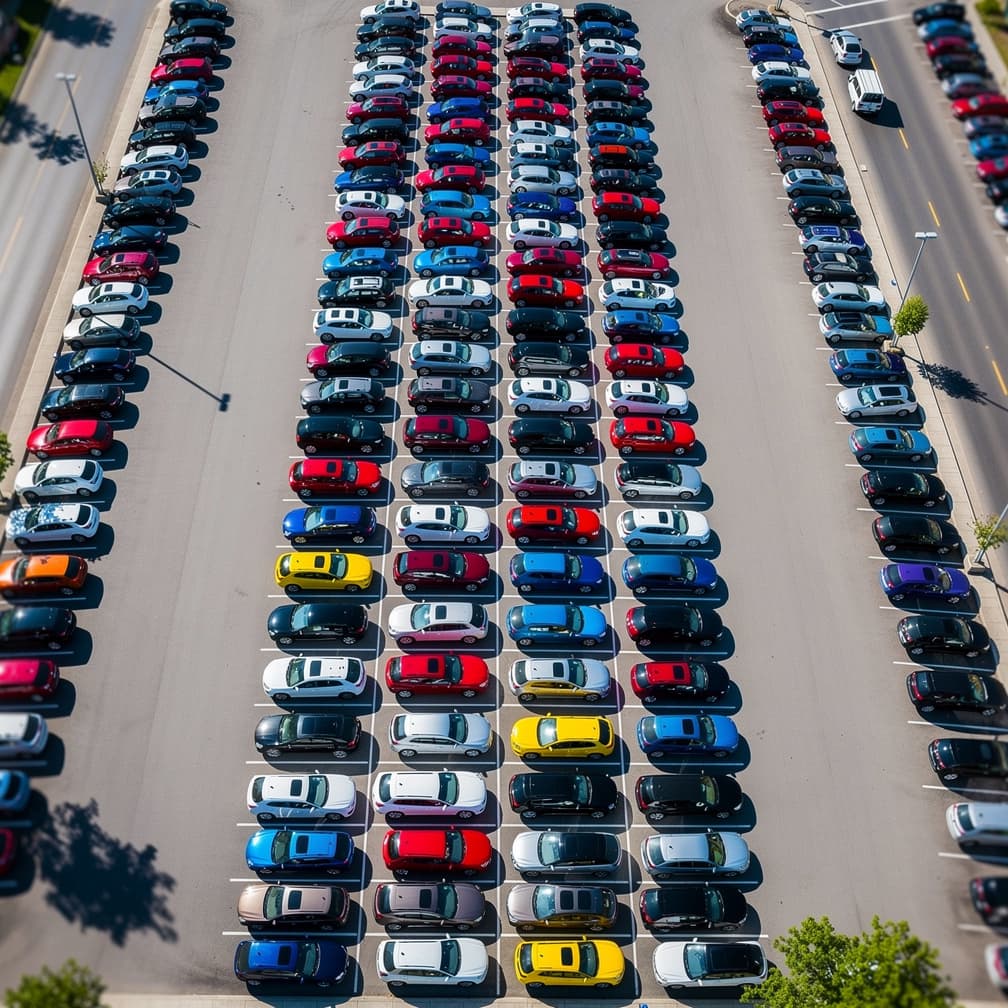
In Maryland, the useful coverage review is less about repeating the basic causes of loss and more about checking where your inventory is actually exposed during a normal week. Many dealers keep sale units on the primary lot, shift overflow vehicles to a secondary parcel, send units for detailing or minor mechanical work, and allow controlled test drives. Each of those steps may affect how a claim is evaluated if the policy language, location schedule, or reporting process is incomplete.
Start with the addresses. If you use more than one lot, fenced storage yard, service area, or temporary holding location, ask whether each site needs to be scheduled and how the policy treats newly acquired or temporary locations. That matters in Maryland because inventory can face different weather and theft conditions from one county to the next. A claim may become harder to sort out if the damaged unit was stored somewhere not clearly disclosed.
Then review movement rules. You want clear answers on dealer plate use, employee handling, transport between locations, and whether the policy draws a line between routine dealership operations and a separate transit exposure. If a vehicle leaves the lot for reconditioning, auction movement, or a customer demonstration, ask where it stops and another policy form may need to begin. Documentation also belongs in the coverage conversation. Confirm what proof of ownership, acquisition records, photos, key logs, and inventory reports you should keep so a theft or weather claim does not turn into a dispute over whether the unit was on hand, where it was stored, or what its value was on the date of loss.

Weather Damage
Covers hail, wind, flood, and storm damage to lot inventory.
Theft Protection
Covers vehicles stolen from your lot.
Fire Damage
Covers fire and explosion damage to inventory vehicles.

Vandalism
Covers intentional damage to vehicles on your lot.
Test Drive Coverage
Covers vehicles during customer and employee test drives.
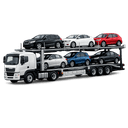
Transit Coverage
Covers vehicles being moved between lot locations.
Dealer Open Lot Insurance Requirements in Maryland
- Maryland dealers with coastal or low-lying exposure should review how weather-related losses are documented, especially when inventory is stored outdoors across more than one address.
- If your operation uses overflow storage away from the primary lot, confirm that each location is disclosed and treated consistently in the policy file.
- Dealers that move units between retail, service, and reconditioning areas should map those handoffs clearly so claim responsibility is easier to establish after a loss.
- Lots in denser Maryland retail corridors should pay close attention to lighting, camera placement, and key-access records because public access can complicate theft claims.
How Much Does Dealer Open Lot Insurance Cost in Maryland?
In Maryland, dealer open lot pricing usually turns on exposure quality more than a simple vehicle count. Underwriters want to see the total value of inventory you carry, but they also look at how quickly units turn, whether values spike seasonally, and how often vehicles are concentrated in one outdoor area. A lot with tighter controls can present very differently from a lot with the same inventory value but weaker key management, looser access, and inconsistent records.
Location setup matters. A paved, well-lit lot with controlled entry, camera coverage, and documented closing procedures often gives an underwriter a cleaner picture than a site with open perimeter access or informal after-hours handling. If you use overflow storage, expect questions about distance from the primary lot, who has access, whether units are checked daily, and how inventory is reconciled between locations. Those details affect both pricing and claim confidence.
Your limit selection also drives cost. If your inventory rises during tax season when refund checks drive used car purchases, auction buying periods, or before a promotional push, a limit based on an average month can leave you short when values peak. Ask for quotes built around realistic high-water inventory, not just today's count. The same applies if you carry a mix of lower-value used units and a smaller number of higher-value trucks, specialty vehicles, or powersports inventory. Deductibles, prior losses, security controls, and the way you document acquisitions all influence premium.
Request a Quote Comparison
Enter your ZIP code to compare dealer open lot insurance rates from top carriers.
Business insurance starting at $25/mo
Who Needs Dealer Open Lot Insurance?
If your inventory shifts between lots, peaks seasonally, or sits outdoors for extended stretches, this review applies to you. That includes independent dealers with fast-changing used inventory, franchise operations with overflow storage, powersports sellers with seasonal swings, and trailer or RV dealers that keep units outdoors for long stretches.
The need becomes more obvious when your process includes more than a front-line sales lot. Maybe you buy at auction, hold units pending title work, move vehicles to a reconditioning area, or store overflow inventory offsite until space opens up. Maybe your team rotates vehicles between locations to match demand. Those are normal dealership operations, but they create points where a loss can happen and where poor documentation can complicate recovery.
Maryland dealers should also pay attention if they operate near water, in dense suburban retail corridors, or in mixed-use areas where public access to the lot is harder to control after hours. The issue is not just weather or theft by itself. It is the combination of outdoor storage, changing inventory values, customer traffic, employee handling, and multiple addresses. If you are renewing because your lender, partner, landlord, or internal controls now require cleaner proof of insurance, treat that as a signal to review limits and location schedules, not just to produce a certificate. The right buyer for this page is the dealer who wants the policy to match the way inventory is bought, parked, moved, and sold in Maryland.
Dealer Open Lot Insurance by City in Maryland
Dealer Open Lot Insurance rates and coverage options can vary across Maryland. Select your city below for localized information:
How to Buy Dealer Open Lot Insurance
In Maryland, buying this coverage goes more smoothly when you prepare the file the way an underwriter and a future adjuster would want to see it. Start with a current inventory schedule that shows each unit held for sale, its value, and where it is stored. Then separate your locations clearly: primary lot, overflow lot, service area, offsite storage, and any temporary holding space. If you blur those addresses together, you make both quoting and claims harder than they need to be.
Next, write down your handling procedures in plain operational terms. Include who can move vehicles, where keys are kept, how dealer plates are controlled, what your demonstration process requires, and how often inventory is reconciled. If units go offsite for detailing, repair, or transport, note that too. Those details help the underwriter decide whether your exposure is tightly managed or loosely supervised.
Then review values before you ask for terms. Do not rely on an outdated average if your inventory has climbed or shifted into higher-value units. A quote is only useful if the limit matches the inventory you actually carry during your busiest periods. If you use floorplan financing or buy aggressively at auction, mention that pattern up front so the proposal reflects real peaks, not a quiet month. Finally, compare quotes on structure, not just premium. Check scheduled locations, valuation approach, deductible, any conditions around offsite storage, and how the policy coordinates with your garage liability, dealer plate, and transit exposures. If a proposal looks cheaper because it assumes less inventory, fewer locations, or tighter operations than you really have, ask for it to be corrected before you bind. Request a quote through CPK Insurance to compare your options with participating licensed providers.
How to Save on Dealer Open Lot Insurance
Tighter lot controls and cleaner records tend to produce better terms than any single pricing discount. Start with inventory accuracy. Reconcile units regularly, keep acquisition and title records organized, and make sure every vehicle's location is current. If an insurer sees disciplined records, it has less reason to price for uncertainty.
Security controls are the next lever. Document who holds keys, where they are stored, who can authorize vehicle movement, and how after-hours access is restricted. Camera coverage, lighting, perimeter controls, and written opening and closing procedures can all support a better underwriting conversation because they show that theft prevention is not informal. The same goes for overflow storage. If you use it, treat it with the same controls as the primary lot instead of letting it become the weak point in the account.
You can also save by matching limits and deductibles to your actual risk tolerance. A higher deductible may help reduce premium, but only if it still fits your cash flow after a weather or theft loss. On the other side, carrying a limit that ignores peak inventory can create a much more expensive problem than a modest premium difference. Savings only count if the policy still works when inventory values rise. Finally, present a clean submission. Give each carrier the same inventory values, locations, and operating details so you can compare terms fairly. If one quote comes back with broad assumptions or missing locations, ask for a revision. The lower-priced option on paper can become the costlier one if a Maryland claim exposes gaps you could have fixed before binding.
Our Recommendation for Maryland
For Maryland dealers, the most useful buying move is to treat this as an inventory-control policy review, not just an insurance purchase. Ask each quoting carrier to confirm every storage address, including overflow and temporary holding areas, in writing. If your operation moves vehicles between lots, service vendors, and customer demonstrations, get clear on where dealer open lot ends and where another coverage part may need to respond.
I would also review your peak inventory method before renewal. If your values rise at predictable times, build quotes around that higher exposure instead of an annual average that looks comfortable only in slower months. Then test your documentation process. Pull a sample unit and make sure you can show acquisition records, photos, location history, key-access logs, and who last handled it. If you cannot do that quickly, fix the process before a claim forces the issue.
Maryland insurance questions and complaint handling run through the Maryland Insurance Administration, which makes it worth keeping policy forms, endorsements, and correspondence organized from the start. When you review proposals, ask for side-by-side comparisons of limits, deductibles, scheduled locations, and offsite handling assumptions. That gives you a cleaner buying decision than comparing premium alone.
FAQ
Frequently Asked Questions
The Maryland Insurance Administration regulates insurance in the state. If you are reviewing policy forms, filing a complaint, or questioning carrier conduct, contact them directly while you review proposals and endorsements.
Assume every regular storage address needs to be disclosed during quoting. If you use overflow or temporary holding space, ask the carrier how each location is scheduled before you bind coverage.
Review weather exposure by location, not just by total inventory value. If units sit outdoors at multiple sites, ask how claims are documented and whether your limit still fits peak inventory concentrations.
Offsite storage is common, but the insurance question is whether that address is clearly disclosed and accepted by the carrier. Confirm how the policy treats routine overflow storage before moving units there.
Gather a current inventory schedule, values, every storage address, key-access procedures, and demonstration rules. That gives underwriters the operational detail they need to quote the account accurately.
Do not assume every vehicle movement is handled the same way. Ask the carrier to explain how customer demonstrations and employee handling fit with dealer open lot and any related coverage parts.
Pricing usually improves when you tighten inventory records, key management, lighting, camera coverage, and location disclosure. A cleaner submission gives underwriters more confidence than a file with missing addresses or inconsistent values.
Dealer open lot insurance nationwide is generally reviewed for damage or loss to vehicles you own for sale, including hail, wind, theft, vandalism, fire, flood, and test drive exposure, depending on your policy terms, deductibles, valuation method, and any location or off-premises limitations.
Sources
- 1.Maryland Insurance Administration(Maryland insurance questions and complaint handling run through the Maryland Insurance Administration, which makes it worth keeping policy forms, endorsements, and correspondence organized from the start.)
Updated July 16, 2026