Updated July 5, 2026

Homeowners Insurance in Rockville
Lenders, condo boards, and property managers here usually want proof that your policy matches the home you actually own, not a generic declarations page with thin limits. For many buyers, that means showing enough dwelling coverage to satisfy a mortgage closing, enough personal liability for a community association review, and endorsements that fit how the property is used. Homeowners insurance in Rockville often gets a closer look because local home values are high, and replacement decisions can get expensive fast if your limits lag behind the house. The city's median home value is $658,300, so a quick renewal without revisiting Coverage A, ordinance or law, and water-related options can leave a gap between what you insured and what you would need to rebuild or repair after a serious loss. If you are buying, refinancing, or updating an older home, ask for a quote that breaks out dwelling, other structures, personal property, loss of use, and deductible choices line by line before you bind coverage.
Maryland has a moderate climate risk rating. Top hazards: Hurricane (High), Flooding (High), Severe Storm (Moderate), Winter Storm (Moderate). The state's expected annual loss from natural hazards is $680M, which influences homeowners insurance premiums and may affect coverage availability in high-risk areas.
What Homeowners Insurance Covers
A standard homeowners policy brings together several protections that work as a package. Dwelling coverage can help repair the home's structure after a covered peril. Personal property coverage helps replace belongings after theft or fire. Liability coverage matters if someone is injured on your property and seeks damages. Additional living expenses coverage can help if a covered loss makes your home unlivable during repairs. Your policy can also pay to repair detached garages, sheds, or fences, and may cover medical payments for minor guest injuries.
Here, the most important coverage distinction is that standard homeowners policies do not cover flood damage, so homes exposed to coastal storm surge, flash flooding, or low-lying drainage issues need separate flood protection. State-specific wind or hurricane deductibles may also apply in coastal areas, which can change how much you pay out of pocket after a storm. Because the state's disaster history includes recent nor'easters, flash flooding, and coastal storm surge, a strong policy review should focus on whether your dwelling limit matches current reconstruction costs and whether your personal property limits are high enough for your actual belongings.
Coverage Included

Dwelling
Repairs or rebuilds your home itself, the walls, roof, floors, built-in appliances, and attached structures like a garage, after a covered loss. Set this limit to the full cost of rebuilding, not market value.
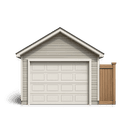
Other Structures
Detached structures on your property, such as a fence, shed, detached garage, or gazebo. Usually set at about 10 percent of your dwelling limit [2].

Personal Property
Your belongings, furniture, clothing, electronics, and appliances, generally written at 50 to 70 percent of your dwelling limit [2]. High-value items like jewelry and art carry special limits.

Additional Living Expenses
Also called loss of use. Pays your added living costs, hotel stays, meals, and a temporary rental, while a covered loss makes your home uninhabitable. Usually set at about 20 percent of your dwelling limit.

Liability
Covers you if someone is injured on your property, or you damage someone else's property, and you are found responsible. The standard $100,000 limit [2] is often raised to $300,000 or $500,000.

Medical Payments
Pays small medical bills, commonly $1,000 to $5,000, if a guest is hurt at your home regardless of fault, without a formal liability claim.
Homeowners Insurance Cost in Rockville
Average Cost in Maryland
$95 - $240
per month
In Maryland, homeowners insurance premiums typically run $95 - $240 per month, which tends to run 7% below the national range of $110 - $250 per month.
- Home replacement cost, age, and construction type
- Roof age, material, and condition
- ZIP code and local weather risk (wind, hail, wildfire, hurricane)
- Coverage limits and endorsements
- All-peril and percentage wind/hail deductibles
- Claims history and insurance score where allowed
Typical range for many standard homeowners profiles; lower-risk homes fall below it and coastal, wildfire, or older-roof homes can run well above. Final pricing depends on property details, location, underwriting, and selected coverage.
Prices shown are general estimates, not guaranteed rates or quotes. Your actual premium will depend on the insurer, coverage selected, personal details, location, claims history, and other underwriting factors. Learn about our pricing methodology.
Pricing is shaped by a mix of storm exposure, reconstruction costs, and local claim patterns. The state's premium index of 116 suggests costs run above the national baseline in many cases, especially where hurricane risk, flooding exposure, and local labor costs are higher. Several factors can move a quote up or down, including coverage limits and deductibles, claims history, location, and policy endorsements. Coastal homes may see separate wind or hurricane deductibles, and properties near flood-prone areas often need extra review because standard policies exclude flood damage. Because rebuilding here costs more than in lower-cost states, replacement-cost pressure is stronger. On the other hand, the competitive market can help create more quote options when you compare carriers and coverage levels carefully.
Industries & Insurance Needs in Rockville
Montgomery County has 27,767 business establishments, with professional, scientific, and technical services at 21.3%, health care and social assistance at 14.2%, and other services at 9.3% of establishments. That county mix matters because many local households use part of the home for remote work, client calls, records, equipment, or side business activity, even when the property is still primarily residential. A standard homeowners policy may not be designed around business property, frequent deliveries, or liability tied to work activity at the house. If you work from home, ask where your policy draws the line between personal property and business property, whether any home-based business endorsement is available, and whether your liability setup still fits how often work touches the residence.
What Affects Homeowners Insurance Rates in Rockville
Rockville households tend to have more to protect inside the home as well as in the structure itself. The city's median household income is $122,384, so many owners should not stop at the dwelling limit and assume contents coverage will sort itself out. Higher earnings often show up in furnished home offices, upgraded kitchens, better electronics, jewelry, collections, and higher liability expectations if someone is injured on the property. That does not mean every household needs the same limits, but it does mean a bare-bones renewal can miss the value of what you have added over time. Before you compare quotes, build a current inventory of major rooms, note any recent renovations, and ask whether scheduled personal property, higher liability limits, or backup-related endorsements make sense for how you live in the home.
What Makes Rockville Different
High property values are the main thing that changes the buying decision here. In this market, small mistakes in valuation can turn into large out-of-pocket costs after a major claim. That pushes the conversation beyond simply checking a lender box. You need to know whether your dwelling limit reflects the home's current characteristics, whether detached structures are adequately measured, and whether upgrades made over the years are actually reflected in the policy. It also changes how you should read deductibles. A deductible that feels manageable on paper can be harder to absorb when the repair scope involves higher-end finishes or more extensive reconstruction. If you have not reviewed your replacement assumptions since purchase or a remodel, this is the place to slow down and request a fresh estimate rather than rolling over last year's numbers.
Our Recommendation for Rockville
Start with the house itself, not the premium. Ask for a quote built from current square footage, construction details, roof age, and any finished basement, addition, or major interior upgrade. Then review the parts owners often skip: ordinance or law, water backup options, loss of use, and personal liability. If you have substantial savings, higher-value furnishings, or regular guests, it is worth pressure-testing whether your liability limit still fits your balance sheet and lifestyle. If you work remotely or run a small side operation from home, ask specifically about business property sublimits and whether a home business endorsement is available. For condo or townhome buyers, compare the association's master policy against your own walls-in responsibilities before closing. The goal is simple: make sure the policy matches the property, the household, and the way you use the home today.
Get Homeowners Insurance in Rockville
Enter your ZIP code to compare homeowners insurance rates from carriers in Rockville, MD.
Home insurance starting at $50/mo
FAQ
Frequently Asked Questions
Rockville lenders often scrutinize limits because local home values are high, so underinsuring the dwelling can create a larger gap after a serious loss. Before closing, ask your agent to show dwelling, deductible, and endorsement choices in writing.
Rockville owners should usually revisit personal property and dwelling limits after renovations, appliance upgrades, or furnishing changes. With median household income at $122,384, many households accumulate higher-value contents over time, so an old inventory can understate what needs to be insured.
Montgomery County households should not assume a standard policy fully addresses work-related property or liability. The county has 27,767 business establishments, so home-based work is common enough to justify asking about business property sublimits and home business endorsements.
Montgomery County's business mix includes professional, scientific, and technical services at 21.3% of establishments and health care and social assistance at 14.2%, so many households have work activity tied to the home. Review whether your policy draws a clear line between personal and business exposures.
Rockville policyholders can contact the Maryland Insurance Administration for complaint and consumer guidance issues if a billing, claim, or underwriting problem is not getting resolved. Use that step after you have reviewed the policy language, endorsements, and carrier correspondence carefully.
A standard policy brings together several protections that work as a package. Dwelling coverage can help repair the structure after a covered loss. Personal property coverage helps replace your belongings. Liability coverage can respond if someone is injured on your property. Additional living expenses coverage can help if your home is unlivable during repairs. Your policy can also help with other structures and medical payments. It can help with fire, wind, theft, and similar covered losses, while flood remains excluded.
Your monthly cost depends on the home, coverage limits, deductible, claims history, and location. Because the state's premium index of 116 suggests costs run above the national baseline, you may pay more than you would in a lower-risk state. The best way to find your actual price is to compare quotes from multiple carriers.
State law does not require every homeowner to buy insurance, but mortgage lenders usually require a policy with enough dwelling coverage to protect the collateral. Lenders may also ask for proof that the policy is active before closing.
Sources
- 1.U.S. Census Bureau, ACS 5-Year Estimates, table B25077(The city's median home value is $658,300, so a quick renewal without revisiting Coverage A, ordinance or law, and water-related options can leave a gap between what you insured and what you would need to rebuild or repair after a serious loss.)
- 2.U.S. Census Bureau, ACS 5-Year Estimates, table B19013(Rockville households tend to have more to protect inside the home as well as in the structure itself because the city's median household income is $122,384.)
- 3.U.S. Census Bureau, County Business Patterns, Montgomery County(Montgomery County has 27,767 business establishments, with professional, scientific, and technical services at 21.3%, health care and social assistance at 14.2%, and other services at 9.3% of establishments.)
- 4.Maryland Insurance Administration(Rockville policyholders can contact the Maryland Insurance Administration for complaint and consumer guidance issues if a billing, claim, or underwriting problem is not getting resolved.)
Updated July 5, 2026