








































Updated July 16, 2026

Inland Marine Insurance in Rockville
Professional, scientific, and technical services lead the business mix in Montgomery County, with health care and social assistance close behind. That means a lot of local firms rely on laptops, diagnostic devices, testing equipment, and client property that travel between offices, labs, clinics, and temporary work sites. This operating pattern is where inland marine insurance becomes a practical buying decision rather than a box to check. If you serve corporate clients, medical practices, or public sector contractors here, your property schedule should match what actually leaves the premises, who takes it, and where it is kept during the workday. Montgomery County has 27,767 business establishments, which means landlords, clients, and upstream contractors often expect clean documentation of insured mobile property before granting site access or approving work. The city also sits in a high-income market, with median household income at $122,384, so your clients tend to expect premium-grade replacements and minimal service interruption. When your equipment is specialized, client-facing, or hard to source quickly, replacement stakes climb accordingly.
Inland Marine Insurance Risk Factors in Rockville
Rockville's top risk factors include Flooding, Hurricane damage, Coastal storm surge, and Wind damage.
Maryland has a moderate climate risk rating. Top hazards: Hurricane (High), Flooding (High), Severe Storm (Moderate), Winter Storm (Moderate). The state's expected annual loss from natural hazards is $680M, which influences inland marine insurance premiums and may affect coverage availability in high-risk areas.
What Inland Marine Insurance Covers
In Maryland, inland marine insurance is built for business property that does not stay in one fixed place, so it is a practical fit for tools, equipment, building materials, and other mobile property used on job sites, in transit, or in temporary storage. The policy concept is especially useful for contractors working across counties, installers carrying materials to customer locations, and businesses that need coverage for goods moving between warehouses, trucks, and project sites. Maryland does not create a special state-mandated inland marine form, so coverage terms depend on the carrier, the schedule of property, and the endorsements you choose.
A Maryland policy may be written around tools and equipment, goods in transit, contractors equipment, installation floater, or builders risk, depending on what your operation actually moves. That distinction matters because a policy for tools stored in a truck overnight near a job site is not the same as a policy for materials waiting to be installed at a customer location in Baltimore, Annapolis, or another Maryland city. Coverage typically follows the property away from your primary business location, but the exact triggers, exclusions, and limits vary by carrier and policy language.
Maryland's insurance market is competitive, yet the state is also exposed to hurricanes, flooding, severe storms, and winter storms, so carriers may look closely at where the property is used and stored. If your work crosses coastal areas or flood-prone locations, ask specifically how the policy treats temporary storage, transit between job sites, and installation materials before binding. Those details determine whether your coverage actually responds when property is in the vulnerable in-between moments.
Coverage Included
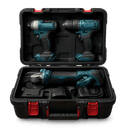
Tools & Equipment
Can help repair or replace hand tools, power tools, and gear that are stolen or damaged on the job or in transit.

Goods in Transit
May cover products, materials, and merchandise while they are being shipped or hauled between locations in your care.
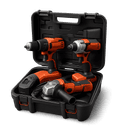
Contractors Equipment
Typically covers heavy machinery like excavators, loaders, and generators against theft or damage at job sites and between them.

Installation Floater
Can help cover materials and fixtures from the moment you buy them until they are installed and accepted at a project.
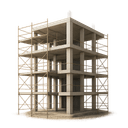
Builders Risk
May cover a structure under construction, along with materials on site, against damage from fire, wind, theft, and vandalism.
Inland Marine Insurance Cost in Rockville
Average Cost in Maryland
$25 - $100
per month
Businesses in Maryland typically see inland marine insurance premiums of $25 - $100 per month, which tends to run 4% above the national range of $20 - $100 per month.
- Total insured value of the scheduled property
- Type and age of the equipment
- Where it is stored and how far it travels
- Jobsite security and theft prevention
- Per-item limits and deductibles
- Prior theft and in-transit losses
Contact CPK Insurance for a personalized quote.
Prices shown are general estimates, not guaranteed rates or quotes. Your actual premium will depend on the insurer, coverage selected, business details, location, claims history, and other underwriting factors. Learn about our pricing methodology.
Maryland's premium index is 116, which means you can expect to pay roughly 16% more for coverage than the national average, so budgeting an extra cushion for your mobile property protection is practical. If you need inland marine insurance for tools, contractors equipment, or goods in transit, the biggest pricing drivers are your coverage limits and deductibles, followed by claims history, location, industry risk, and any policy endorsements.
Because Maryland has high hurricane and flooding risk plus a history of major disaster declarations, carriers pay close attention to where your property travels and sits overnight. A business with property moving through Baltimore, Annapolis, or other Maryland cities may face a different quote than a business with the same equipment kept mostly in one inland area, because the policy has to match the actual travel pattern and storage exposure.
Maryland also has a large small-business base, with 99.5% of the state's 153,800 businesses classified as small businesses, which means carriers are accustomed to quoting for operations like yours, so you are not forced into a policy built for a large corporation. To get a useful inland marine insurance quote in Maryland, expect the carrier to ask what you move, how often it moves, where it is stored, and whether you need installation floater or builders risk style protection for specific projects. Having those answers ready makes the quote more accurate and often faster.
What Makes Rockville Different
In a market shaped by service firms, medical operators, and specialized contractors, the exposure is less about bulk inventory and more about portable, higher-value equipment that earns revenue away from your main address. Countywide, professional, scientific, and technical services account for 21.3% of establishments, health care and social assistance 14.2%, and other services 9.3%, so roughly one in five neighboring businesses may require the same documentation you do when bidding for the same contracts. The "other services" category includes repair, maintenance, and personal-care businesses that frequently transport tools and supplies to client locations, which means many buyers need a policy reviewed around mobility, custody, and downtime rather than warehouse volume alone. A generic limit for unnamed business property may leave gaps if you carry specialized instruments, leased equipment, or customer items to appointments and temporary locations, and that risk extends to your documentation as well. If your team works across multiple client sites in a week, consider how the form treats scheduled items, property in transit, temporary storage, and any sublimits that apply to theft or fragile equipment.
Our Recommendation for Rockville
For this market, the most useful quote request usually separates three categories: property you own and move every week, property you borrow or lease, and customer property that comes into your care. If your operation serves higher-income households or premium commercial clients, review whether your current limits still match the equipment you now carry, since replacement expectations can rise faster than older schedules. You may want to ask how the policy handles items left in vehicles, property at temporary sites, and losses involving employee-carried equipment. If another contract requires evidence of coverage, it helps to confirm the description of insured property is specific enough to satisfy that review. When comparing forms, having your current property list, recent purchases, and any contract language that shifts responsibility for tools or client equipment can make the process smoother.
Get Inland Marine Insurance in Rockville
Enter your ZIP code to compare inland marine insurance rates from carriers in Rockville, MD.
Business insurance starting at $25/mo
FAQ
Frequently Asked Questions
Rockville buyers should start with the items that leave the premises most often, especially specialized devices and client-facing equipment. Given the concentration of professional and technical firms in the area, scheduled property details often matter more than a broad unspecific limit.
Rockville operations often need the policy reviewed for equipment used away from the main address, including temporary work areas and client locations. With health care and social assistance representing a significant share of county establishments, mobile equipment can be central to daily revenue for firms in this sector.
With 27,767 business establishments countywide, Rockville companies frequently encounter contract review, site access requirements, and proof-of-coverage requests. Organizing a current equipment schedule before quoting can be worthwhile, especially if your property moves between several client locations each week.
Rockville sits in a market where median household income is $122,384, which can raise expectations around service continuity and replacement quality. If your equipment is specialized or client-facing, reviewing limits after major purchases rather than waiting for renewal may help keep your schedule aligned with actual replacement costs.
It may help protect business property that moves between locations, including tools, equipment, materials, and goods being transported over land. The exact list depends on the carrier and the schedule, so you should confirm whether your policy includes your gear, goods in transit, or both.
The policy is designed to follow covered property away from your fixed location, which is useful when items are staged at a Maryland job site or kept in temporary storage. Because storm, flooding, and theft exposures vary by location, ask how the policy treats overnight storage and temporary locations before you bind coverage.
Contractors, installers, builders, and any business that regularly moves property across Maryland job sites usually need to look at this coverage. It is also relevant for businesses in the state's large small-business economy that use portable equipment or ship items between locations.
The main pricing factors in Maryland are coverage limits, deductibles, claims history, location, industry risk, and policy endorsements. Local pricing can run above the national average, especially when property moves through higher-risk areas.
Sources
- 1.U.S. Census Bureau, County Business Patterns, Montgomery County(Montgomery County has 27,767 business establishments, so landlords, clients, and upstream contractors often expect cleaner documentation of covered mobile property before access is granted or work starts.; Countywide, professional, scientific, and technical services account for 21.3% of establishments, health care and social assistance 14.2%, and other services 9.3%, so many buyers need coverage reviewed around mobility, custody, and downtime rather than warehouse volume alone.)
- 2.U.S. Census Bureau, ACS 5-Year Estimates, table B19013(The city also sits in a high-income market, with median household income at $122,384, which can raise the replacement stakes when your equipment is specialized, client-facing, or hard to source quickly.)
Updated July 16, 2026





