Updated July 16, 2026

Car Insurance in Boston
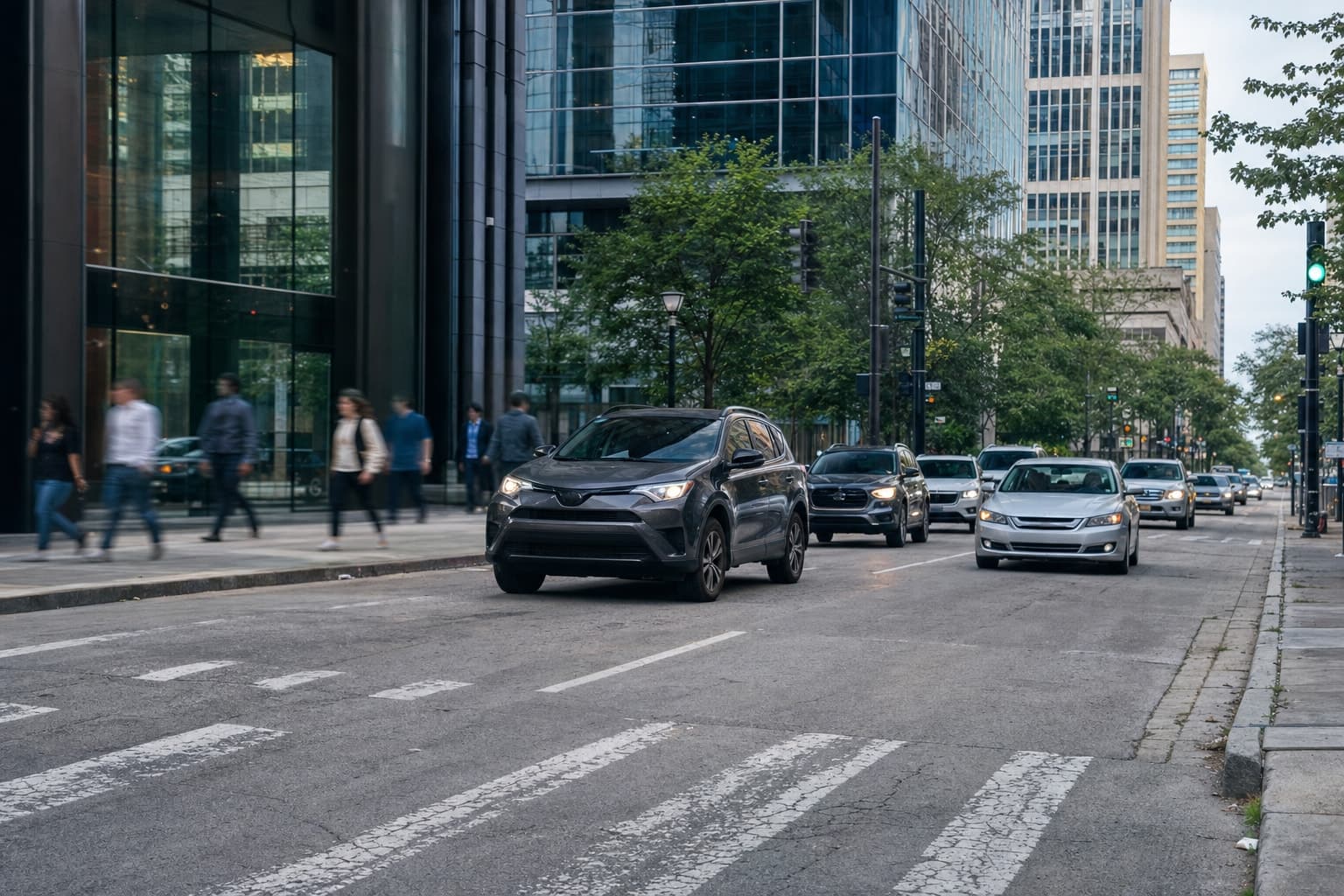
Should you shop for car insurance in Boston differently than you would elsewhere in Massachusetts? Yes. The city reshapes your driving life in ways that matter to insurers, from how often your car sits parked on the street to how often you creep through stop and go traffic and how likely you are to share the road with delivery vehicles and rideshare drivers. If you keep a vehicle near Back Bay, South Boston, Dorchester, or Jamaica Plain, your quote should match where it sits overnight and how often you rely on it. Two drivers with similar vehicles can need different deductibles, rental reimbursement choices, and collision reviews. A useful quote grows out of the details that actually describe your week, including your real parking setup, annual mileage, commute timing, and whether another household member uses the car.
Massachusetts has a moderate climate risk rating. Top hazards: Nor'easter (Very High), Hurricane (High), Flooding (High), Winter Storm (High). The state's expected annual loss from natural hazards is $1.2B, which influences car insurance premiums and may affect coverage availability in high-risk areas.
What Car Insurance Covers
Liability coverage is the core layer, and you should review it carefully because state requirements and personal risk are not the same thing. The minimums may satisfy compliance, but they may not match the exposure from a crash in Boston traffic, on I-90, or during winter weather in western counties. Collision coverage can help pay for damage to your car after an accident, while comprehensive coverage applies to non-collision losses such as theft, weather-related damage, and similar events that matter in a state with very high motor vehicle theft and recurring severe weather. Uninsured motorist coverage is especially relevant here because a meaningful share of local drivers carries no insurance or too little of it. Medical payments coverage can help with medical expenses after a covered accident, and rental reimbursement coverage can help keep you mobile while your car is being repaired. The Massachusetts Division of Insurance oversees the market, so your final policy should be reviewed for carrier terms, endorsements, and any limits that fit your commute, vehicle, and risk tolerance.
Coverage Included

Liability
Can help pay for injuries and property damage you cause to others in an accident, coverage most states require drivers to carry.

Collision
Can help pay to repair or replace your car after a crash with another vehicle or object, regardless of fault.

Comprehensive
Typically covers damage to your car from events other than collisions, such as theft, hail, fire, flooding, or hitting an animal.

Uninsured Motorist
May pay for your injuries and, in some states, car damage when an at-fault driver has no insurance or too little.

Medical Payments
Can help cover medical bills for you and your passengers after an accident, no matter who was at fault.
Rental Reimbursement
May pay for a rental car while your vehicle is in the shop for repairs after a covered claim.
Car Insurance Cost in Boston
Average Cost in Massachusetts
$110 - $260
per month
In Massachusetts, car insurance premiums typically run $110 - $260 per month, which tends to run 9% above the national range of $110 - $230 per month.
- Driving record and age
- Vehicle make, model, and year
- Location and commute distance
- Credit-based insurance score
- Coverage limits and deductibles
Contact CPK Insurance for a personalized quote.
Prices shown are general estimates, not guaranteed rates or quotes. Your actual premium will depend on the insurer, coverage selected, personal details, location, claims history, and other underwriting factors. Learn about our pricing methodology.
Car insurance cost in Massachusetts depends on how your location, claims history, vehicle type, annual mileage, coverage limits, deductibles, and policy endorsements interact. The state's premium index of 126 indicates prices run above the national average. That difference is consistent with a market shaped by high traffic density, 142,000 crashes in 2023, and claim severity that averaged $21,451 per accident. A single at-fault crash at that level can strain a thin policy, so it is worth checking whether your liability limits can absorb a major loss. Local risk also matters when carriers evaluate your driving record. Speeding accounted for 29.3% of crashes, lane departure for 27%, and failure to yield for 17.6%, so a clean driving record can meaningfully affect your quote. Massachusetts weather adds another pricing layer because nor'easters, hurricane exposure, flooding, and winter storms create more opportunities for comprehensive claims. This is especially true for drivers in coastal communities, Metro Boston, and other low-lying areas. Theft exposure is another factor, since motor vehicle theft was one of the top crime types and increased year over year in 2023. Coverage choices also move the price, as higher liability limits, lower deductibles, and additional endorsements each affect the final quote. The state has hundreds of active insurance companies, which creates competition, but pricing still varies by the details of your situation. If you live near Boston, commute year-round, or park on-street in a higher-theft area, your quote may differ from a suburban driver with shorter mileage and different storage conditions.
Industries & Insurance Needs in Boston
Suffolk County has 21,968 business establishments, and its leading sectors by establishment share are professional, scientific, and technical services at 15.8%, accommodation and food services at 12.5%, and other services, except public administration, at 11.6%. That mix matters for personal auto buyers because it points to a dense local pattern of office commuting, restaurant traffic, service calls, and delivery activity on the same streets and at the same curb space you use. If your schedule puts you on the road during shift changes, lunch rushes, or evening pickup windows, ask for a quote that reflects your actual annual mileage and commuting use, not a generic estimate. If you use your car for client visits, side work, or regular business errands, say so before binding coverage so the policy can be reviewed for that use.
What Affects Car Insurance Rates in Boston
Boston's median household income is $94,755, so many local drivers are not just insuring an older paid off car, they are often trying to protect a newer vehicle, a financed vehicle, or a household budget that would feel the loss of a car for several days. That changes the buying conversation. Instead of focusing only on the lowest monthly payment, review whether your deductible is realistic for your emergency savings and whether rental reimbursement would matter if your car is in the shop after a covered claim. If your vehicle is leased or financed, confirm the physical damage coverage and deductible structure line up with your loan or lease terms. If you own your car outright, you still may want to compare the premium difference between higher and lower deductibles before renewing. The practical goal is to keep a claim from turning into a cash flow problem.
What Makes Boston Different
What drives the difference is how tightly packed everything is. In a place where parking, commuting, and short trips all happen in tight urban space, the main issue is not just how far you drive. It is the constant proximity to other vehicles when you creep through traffic, parallel park, or thread into a crowded garage. Boston's compact street grid rewards a closer look at garaging address and annual mileage than a suburban or rural setting would. A deductible that looks manageable on paper may feel very different if you depend on the car for work or school runs. Before you buy, compare the tradeoff between premium savings and out of pocket cost after a claim.
Our Recommendation for Boston
Insurers set prices based on the specifics you provide, so accuracy matters from the start. Your exact garaging address, overnight parking situation, true annual mileage, and commute pattern all shape the price you are quoted. Then review how you would handle a claim in real life. If you could not easily absorb a larger repair bill, ask for side by side quotes with more than one deductible. If your household depends on the vehicle, compare rental reimbursement options before renewal instead of after a loss. If another person regularly drives the car, disclose that use clearly. If you sometimes use the vehicle for client meetings or repeated work related trips, raise that before binding so there is no mismatch between your application and your actual use. To compare offers cleanly, keep limits and deductibles identical across every quote you request.
Get Car Insurance in Boston
Enter your ZIP code to compare car insurance rates from carriers in Boston, MA.
Car insurance starting at $59/mo
FAQ
Frequently Asked Questions
The specifics that move the needle most are your exact garaging address, whether the car sits in a lot or on the street, your real annual mileage, and who else gets behind the wheel. Those details often matter more here than a rough online estimate built from statewide assumptions.
Boston buyers should tie the deductible to cash flow, not just premium. With a median household income of $94,755, a typical household has room in the budget for a mid range deductible, but if one car carries the whole household's schedule, a lower option may be the safer call.
Suffolk County has 21,968 business establishments, which means your daily route mixes with commuter, service, and delivery traffic almost everywhere you turn. That density is worth keeping in mind when you review your policy, since urban driving can expose gaps in rental reimbursement and mileage assumptions.
Boston drivers should mention it before coverage starts. In Suffolk County, professional, scientific, and technical services make up 15.8% of establishments, meaning enough local workers shuttle to client sites and work errands that insurers expect you to describe vehicle use accurately.
Boston policyholders can bring insurance complaints to the Massachusetts Division of Insurance. That is most useful after you first document the issue with your insurer, including dates, claim notes, billing records, and any written coverage position.
In Massachusetts, your policy can combine liability, collision, comprehensive, uninsured motorist, medical payments, and rental reimbursement coverage so one policy may help address both injury-related and vehicle-related losses after an auto accident or other covered event.
Massachusetts is regulated by the Division of Insurance, but exact minimums are not listed here, so you should confirm the current car insurance requirements in Massachusetts before you buy.
Premiums vary widely based on your driving profile, coverage choices, and location. The state premium index suggests Massachusetts prices run above the national average.
Sources
- 1.U.S. Census Bureau, ACS 5-Year Estimates, table B19013(Boston's median household income is $94,755, so many local drivers are not just insuring an older paid off car, they are often trying to protect a newer vehicle, a financed vehicle, or a household budget that would feel the loss of a car for several days.)
- 2.U.S. Census Bureau, County Business Patterns, Suffolk County(Suffolk County has 21,968 business establishments, and its leading sectors by establishment share are professional, scientific, and technical services at 15.8%, accommodation and food services at 12.5%, and other services, except public administration, at 11.6%.)
- 3.Massachusetts Division of Insurance(Boston policyholders can bring insurance complaints to the Massachusetts Division of Insurance.)
Updated July 16, 2026