








































Updated July 5, 2026

Commercial Truck Insurance in Boston
Are you asking whether commercial truck insurance in Boston needs anything different from the rest of Massachusetts? Yes. The city changes the job because tight urban routing, dense delivery schedules, and customer requirements can turn a routine truck policy review into an operations review.
Here, the question is less about whether you haul and more about where, when, and for whom your trucks move. A box truck serving Back Bay restaurants, a contractor pickup crossing between South Boston and Cambridge jobs, and a van making timed stops near hospitals or university facilities do not present the same parking, loading, and certificate demands. Suffolk County has 21,968 business establishments, so local trucking work often means frequent vendor check-ins, dock rules, and proof-of-insurance requests before a delivery window or service contract is approved. That density matters because missed paperwork can cost you the job even before a loss occurs. If your routes involve downtown loading zones, leased vehicles, hired drivers, or customer contracts with additional insured language, review those details before you shop quotes so the policy matches how your trucks actually operate.
Commercial Truck Insurance Risk Factors in Boston
Boston's top risk factors include Winter storm damage, Ice dam damage, Frozen pipe bursts, and Snow load collapse.
Massachusetts has a moderate climate risk rating. Top hazards: Nor'easter (Very High), Hurricane (High), Flooding (High), Winter Storm (High). The state's expected annual loss from natural hazards is $1.2B, which influences commercial truck insurance premiums and may affect coverage availability in high-risk areas.
What Commercial Truck Insurance Covers
Your policy is built around how your trucks operate on local roads, interstate routes, and job sites across the state. The core protection usually starts with motor carrier liability, which addresses injury and property damage claims tied to trucking operations. Massachusetts businesses also need to account for the state's commercial auto minimums, while many freight contracts call for higher limits depending on the load and lane. Physical damage coverage can be added for collision-related losses, which matters on crowded corridors and during winter weather.
Cargo insurance is often written separately within the policy, and it can help protect the goods you are hauling if something happens in transit. Trailer interchange coverage can apply when you are using non-owned trailers under an interchange agreement. Bobtail coverage and non-trucking liability are common for owner-operators whose trucks may be driven without a trailer or outside dispatch.
Coverage can vary by operation. A local box truck in Greater Boston may need a different structure than a long-haul tractor running through Worcester, Springfield, or the South Coast. The Massachusetts Division of Insurance regulates the market, so endorsements and limits should be reviewed carefully before binding. Policies may exclude or limit protection based on how the truck is used, what freight is hauled, or whether the driver is under dispatch. Because Massachusetts weather includes very high nor'easter, hurricane, flooding, and winter storm risk, many buyers add broader physical damage and cargo protection to match the state's loss environment.
Coverage Included

Motor Carrier Liability
Can help cover injuries and property damage your truck causes to others, a coverage federal regulators require most for-hire carriers to maintain.
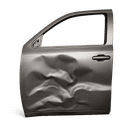
Physical Damage
Can help pay to repair or replace your own truck after an accident, fire, theft, or vandalism.
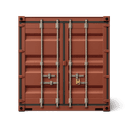
Cargo Coverage
May pay for damage to or theft of the freight you are hauling while it is in your care.
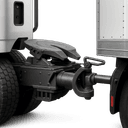
Trailer Interchange
Can help cover damage to trailers you haul under an interchange agreement but do not own.

Bobtail Coverage
May provide liability protection when you drive your tractor without a trailer attached, such as after dropping off a load.

Non-Trucking Liability
Can help cover accidents that happen when you use your truck for personal errands rather than dispatched work.
Commercial Truck Insurance Cost in Boston
Average Cost in Massachusetts
$360 - $1,100
per month
Businesses in Massachusetts typically see commercial truck insurance premiums of $360 - $1,100 per month, which tends to run 4% below the national range of $400 - $1,125 per month.
- Radius of operation
- Commodities hauled and cargo value
- Number and value of power units
- Driver motor vehicle records and CDL experience
- DOT safety record, inspections, and FMCSA scores
- Liability limits and physical damage deductibles
Contact CPK Insurance for a personalized quote.
Prices shown are general estimates, not guaranteed rates or quotes. Your actual premium will depend on the insurer, coverage selected, business details, location, claims history, and other underwriting factors. Learn about our pricing methodology.
Commercial truck insurance cost in Massachusetts is shaped by a premium market that runs above the national average. State and national pricing can vary widely per truck, depending on limits, deductibles, claims history, location, industry risk, and endorsements. That difference reflects Massachusetts conditions such as a premium index of 126, which means you can expect to pay roughly 26% more than the national average for comparable coverage. Dense traffic around Boston and other metro areas also plays a role, along with a climate profile that includes very high nor'easter risk plus high hurricane, flooding, and winter storm exposure.
Several local variables matter when you request a quote. A truck operating in coastal counties or in high-traffic delivery corridors may price differently than a similar truck running lighter-mileage regional routes. Quotes can vary meaningfully by carrier appetite and by the kind of freight you haul.
The state's auto environment also matters. Massachusetts sees a high volume of crashes each year, which means a lot of daily collision risk on roads your drivers share. Even a single at-fault incident can strain a small fleet's finances. Those local loss patterns can push pricing up for fleets with frequent urban driving or tight delivery schedules. On the other hand, a clean claims record, higher deductibles, and carefully matched endorsements can help keep the quote more manageable. Because coverage requirements may vary by industry and business size, the final rate is usually very operation-specific.
Industries & Insurance Needs in Boston
County business mix is the local driver worth watching. In Suffolk County, professional, scientific, and technical services account for 15.8% of establishments, accommodation and food services 12.5%, and other services 11.6%, so many truck risks here are tied to service calls, scheduled deliveries, and short urban runs rather than long uninterrupted highway mileage. That changes what you should emphasize in a quote request. A fleet serving offices, labs, restaurants, and service businesses may need closer review of hired and non-owned auto exposure, loading and unloading routines, driver assignment practices, and how often vehicles stop in congested commercial blocks. If your trucks support time-sensitive clients, ask your agent to rate the operation based on actual radius, garaging, vehicle type, and use class instead of a generic contractor or delivery description. Small classification errors can leave you comparing the wrong policy structure.
What Makes Boston Different
Density is what changes the calculus here. In a market with concentrated commercial activity, truck insurance decisions are shaped as much by access and documentation as by the vehicle itself. That creates a steady flow of deliveries, service visits, and jobsite movements, which means your trucks are more likely to face building rules, certificate requests, and narrow timing windows during an ordinary workweek.
That matters because a policy built for broad suburban routing can miss the practical friction of urban operations. If your drivers park off-site, swap vehicles between crews, or enter customer premises where contracts specify insurance terms, those details should be reviewed up front. Boston’s median household income is $94,755, which often aligns with higher-value neighborhoods, commercial clients, and expectations around professionalism after an incident, so claim handling, limits, and documentation standards deserve a closer look. The useful question is not just how many trucks you insure, but how often each one interacts with dense commercial property and demanding counterparties.
Our Recommendation for Boston
Start with your dispatch reality, not your renewal declaration page. List each vehicle by use, where it is usually parked, who drives it, whether it crosses into nearby cities daily, and whether it handles deliveries, tools, food service, or client-site work. That gives you a cleaner basis for comparing quotes.
Next, pull a sample of customer contracts and certificates from the last year. In this market, insurance problems often show up when a property manager, general contractor, or commercial client asks for wording your current policy was never set up to support. If you use employee cars for errands, rented trucks during busy periods, or leased units, ask for those exposures to be reviewed explicitly rather than assumed. Keep the conversation practical: liability limits, physical damage deductibles, hired and non-owned auto, towing, downtime concerns, and any gap between titled ownership and daily use. If a quote looks attractive but ignores how your trucks actually load, park, and access customer sites, it is not the right comparison.
Get Commercial Truck Insurance in Boston
Enter your ZIP code to compare commercial truck insurance rates from carriers in Boston, MA.
Business insurance starting at $25/mo
FAQ
Frequently Asked Questions
Boston trucking work often involves dense commercial properties and scheduled access windows. In Suffolk County, certificate requests, additional insured wording, and vendor compliance checks can affect whether you can start work, so contract review belongs in the quote process.
Boston buyers should lead with vehicle use, parking location, driver list, delivery radius, and whether trucks enter garages, docks, or managed properties. Those operating details usually matter more here than a generic business description because urban routing creates different claim patterns.
Suffolk County density can change the discussion because concentrated commercial activity means more frequent interaction with customers, buildings, and loading areas. That does not set a required limit by itself, but it is a strong reason to review contracts, property access, and loss scenarios carefully.
Boston can push you toward a closer limits review. The city’s median household income is $94,755, which can signal higher-value homes, vehicles, and expectations around repairs or claims, so many operators review deductibles and liability limits before renewing.
Boston policies are regulated at the state level by the Massachusetts Division of Insurance. If you are comparing forms, endorsements, or complaint processes, that is the regulator to reference, but your buying decision should still start with your routes, vehicles, and contracts.
In Massachusetts, the policy can be built around motor carrier liability, physical damage, cargo coverage, trailer interchange, bobtail coverage, and non-trucking liability insurance. The exact mix depends on whether you run local delivery in Boston, regional hauling through Worcester or Springfield, or long-haul freight across state lines.
Massachusetts commercial auto minimums are $25,000/$50,000/$30,000 (raised effective July 1, 2025), and the market is regulated by the Massachusetts Division of Insurance. Many trucking contracts require higher limits than the state minimums, so the right answer depends on your freight and customer requirements.
Costs vary widely per truck in Massachusetts. Your quote can move up or down based on limits, deductibles, claims history, location, industry risk, and endorsements.
Sources
- 1.U.S. Census Bureau, County Business Patterns, Suffolk County(Suffolk County has 21,968 business establishments, so local trucking work often means frequent vendor check-ins, dock rules, and proof-of-insurance requests before a delivery window or service contract is approved.; In Suffolk County, professional, scientific, and technical services account for 15.8% of establishments, accommodation and food services 12.5%, and other services 11.6%, so many truck risks here are tied to service calls, scheduled deliveries, and short urban runs rather than long uninterrupted highway mileage.)
- 2.U.S. Census Bureau, ACS 5-Year Estimates, table B19013(Boston’s median household income is $94,755, which often aligns with higher-value neighborhoods, commercial clients, and expectations around professionalism after an incident, so claim handling, limits, and documentation standards deserve a closer look.)
- 3.Massachusetts Division of Insurance(Boston policies are regulated at the state level by the Massachusetts Division of Insurance.)
Updated July 5, 2026





